


Most home improvement advice comes from writers who’ve known one house, read about a few others, and never had to make a rental bathroom feel livable on a Tuesday night. Trisha McNamara is different. As the lead contributor at TheHomeTrotters.com, she covers everything from HVAC and plumbing to interior design, kitchen upgrades, and outdoor spaces—backed by a family that has lived in dozens of homes across multiple countries and climates. That lived range is what makes her advice worth reading.
- Who Is Trisha McNamara on The HomeTrotters?
- What Is TheHomeTrotters — and Why Does It Have Two Identities?
- The McNamara Family Story (And Why It Matters for the Home Advice)
- Smart Home Coverage — TheHomeTrotters’ Strongest Technical Area
- The 10 Device Categories the Platform Covers
- Which Smart Home Hub to Choose First (And Why It Matters)
- Smart Home Advice for Renters vs. Homeowners
- Home Decor and Interior Design: Room-by-Room Breakdown
- Living Room — Comfort Before Aesthetics
- Bedroom — Calm Is a Design Decision
- Kitchen — Function Zones Before Style
- Bathroom — Practical Freshness Over Sterile Perfection
- Entryway — Where Clutter Either Has a Home or Takes Over
- Renter-Specific Home Advice — A Real Content Gap Competitors Ignore
- Lighting as a Transformation Tool Without Touching Wiring
- How Routines Make a Temporary Space Feel Like Home
- DIY and Home Maintenance — The Unglamorous Side That Protects Your Investment
- Budget Home Improvement — What Actually Delivers Results
- FAQs
Who Is Trisha McNamara on The HomeTrotters?
Her Role and Writing Range
Trisha McNamara is the primary writer behind TheHomeTrotters.com. Her byline covers the full home spectrum: choosing between evaporative coolers and central air conditioning, managing drain maintenance by season, designing multipurpose living rooms, selecting flooring based on real durability data, and making the case for smart toilets with genuine reasoning.
This breadth is deliberate. A homeowner’s problems don’t stay in one category. One week it’s a lighting question, the next it’s a heat pump making a strange noise. Trisha’s archive covers both, which is why readers return to the platform rather than bouncing between five different specialist sites.
What Makes Her Advice Different From Generic Home Content
It’s the specificity. Her article on evaporative coolers versus air conditioning doesn’t just list pros and cons—it walks through climate compatibility, installation costs, and long-term energy use by region. That’s the kind of detail that helps someone actually make a decision, not just feel informed for a few minutes.
She also avoids the aspirational inflation that dominates most home and lifestyle writing. No staged rooms are pretending to be everyday spaces. The problems she writes about are real, and the solutions are priced for people with actual budgets.
What Is TheHomeTrotters — and Why Does It Have Two Identities?
TheHomeTrotters.com describes its mission as turning properties into homes, one trip at a time. That tagline is doing real work. The platform carries two distinct identities that run alongside each other.
The first is Trisha McNamara’s role as a home improvement and decor writer. The second is the McNamara family—Dan, Rachel, and their four children—who sold their home, cut their possessions down to what fit in bags, and began traveling full-time across continents.
This matters for the quality of the advice. A family that has lived in tropical rentals, cold-climate apartments, short-stay accommodations, and long-term city homes knows which design choices actually hold up and which only work in controlled conditions. That lived experience filters into the platform’s perspective on everything from furniture selection to renter-friendly decorating.
| Category | What It Covers |
|---|---|
| Home Decor Ideas | Room styling, color choices, seasonal updates, renter-friendly changes |
| Interior Design | Space planning, lighting, furniture, and multipurpose rooms |
| Home Improvement | HVAC, flooring, waterproofing, plumbing, roofing, and kitchen upgrades |
| Home Safety & Security | Smart locks, fire safety, generators, and carbon monoxide detection |
| Smart Home & Tech | Automation, connected devices, energy savings, hub selection |
| DIY Projects | Budget renovations, repair guides, maintenance walkthroughs |
The McNamara Family Story (And Why It Matters for the Home Advice)
How the Family Made Full-Time Travel Work Financially
Dan and Rachel McNamara did what most people only talk about: they sold their home, downsized drastically, and began full-time travel with four children. The income model that sustains them has three parts—blog revenue from TheHomeTrotters.com, brand sponsorships, and remote freelance work.
Unlike many nomadic lifestyle blogs, TheHomeTrotters is transparent about the timeline. The early months required drawing on savings while revenue streams developed. Financial stability was built over time, not present from day one. The logistics of the McNamaras’ document are worth understanding, too. A family of six traveling long-term runs on structured planning: budget-conscious itineraries, extended stays over short hops (which dramatically reduce costs), an emergency travel fund, and multiple income streams so no single source becomes a failure point.
World-Schooling in Practice
The children’s education combines online courses, structured homeschooling, and world-schooling—cultural immersion used as a supplement to academics, not a replacement. Language exposure, local history learned in context, and hands-on experiences across different environments are treated as curriculum rather than distractions from it.
The family also practices responsible tourism: minimal waste, support for local communities, and long-term relationships over transactional travel. This sustainability mindset extends to home choices too—durable materials, considered purchases, and less consumption overall.
Smart Home Coverage — TheHomeTrotters’ Strongest Technical Area
The 10 Device Categories the Platform Covers
The HomeTrotters covers smart home technology across ten categories, with practical justification for each rather than simple product listings:
- Smart Security Systems — Video doorbells (Ring, Nest Hello), motion cameras, smart alarms. Ideal for remote monitoring when away for extended periods.
- Smart Lighting — Philips Hue and LIFX bulbs with app and voice control. The primary benefit is scheduling and energy savings, not just aesthetics.
- Smart Thermostats — Google Nest learns your schedule and adjusts automatically. Cuts energy use without manual input. Cost range: $100–$250 installed.
- Smart Appliances — Samsung SmartThings and LG ThinQ products, including fridges, ovens, and washers that can be managed remotely.
- Smart Assistants and Hubs — Amazon Alexa, Google Home, Apple HomeKit as central control layers.
- Smart Door Locks and Garage Openers — Remote locking, temporary access codes, entry logs. Especially useful for families managing access from a distance.
- Smart Sensors and Detectors — Smoke, carbon monoxide, and water leak sensors that send phone alerts before problems become disasters.
- Smart Blinds and Curtains — Scheduled window coverings that reduce heat gain in summer and improve privacy without manual adjustment.
- Smart Entertainment Systems — Multi-room audio, streaming integration, voice-controlled TVs.
- Smart Irrigation — Weather-aware sprinkler systems that adjust based on soil moisture and forecast data.
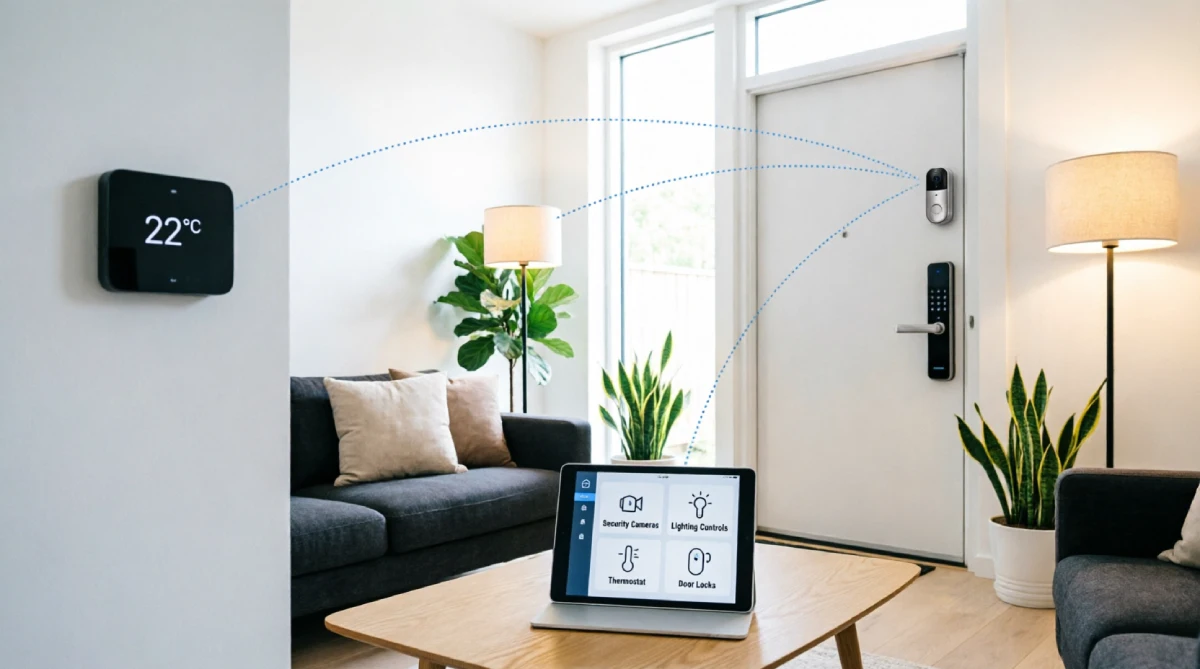
Which Smart Home Hub to Choose First (And Why It Matters)
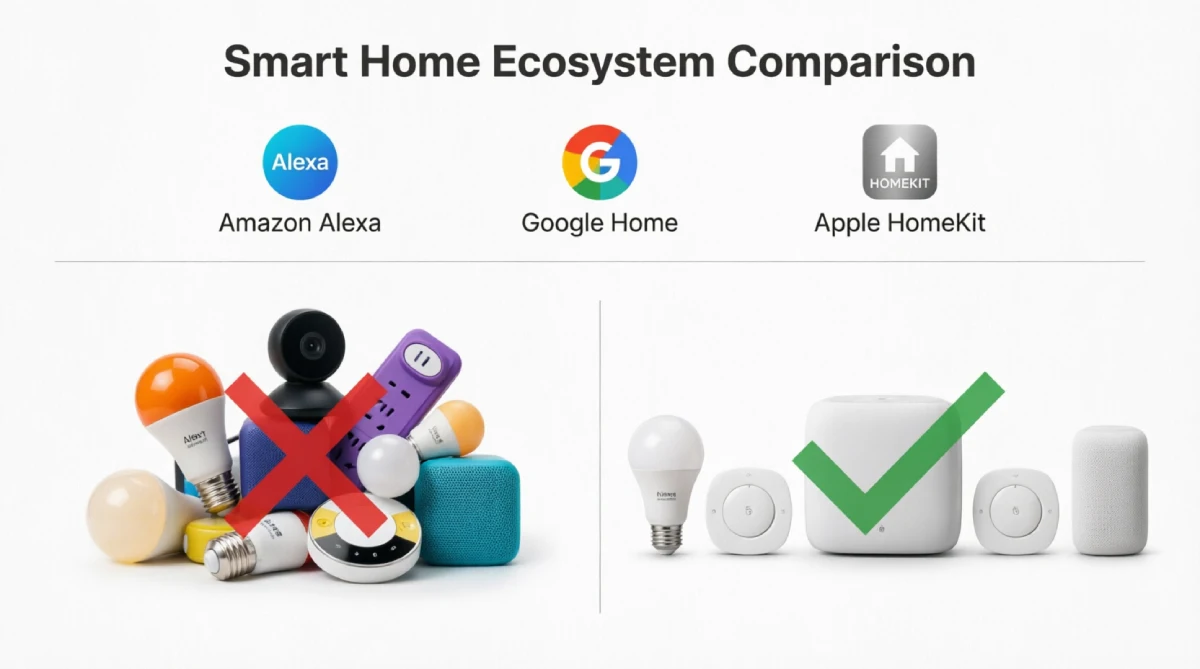
This is the most practical advice on the platform, and it’s the step most people skip. Before buying any smart device, choose your ecosystem: Amazon (Alexa), Google (Home), or Apple (HomeKit).
The reason is compatibility. Devices within the same ecosystem communicate reliably. Mixing them often leads to workarounds that break with software updates. A household with a Nest thermostat, Alexa-controlled bulbs, and Apple-locked door locks has created an expensive integration mess. Choosing a hub first isn’t optional advice—it saves real money by preventing the purchase of devices you would eventually have to replace.
Smart Home Advice for Renters vs. Homeowners
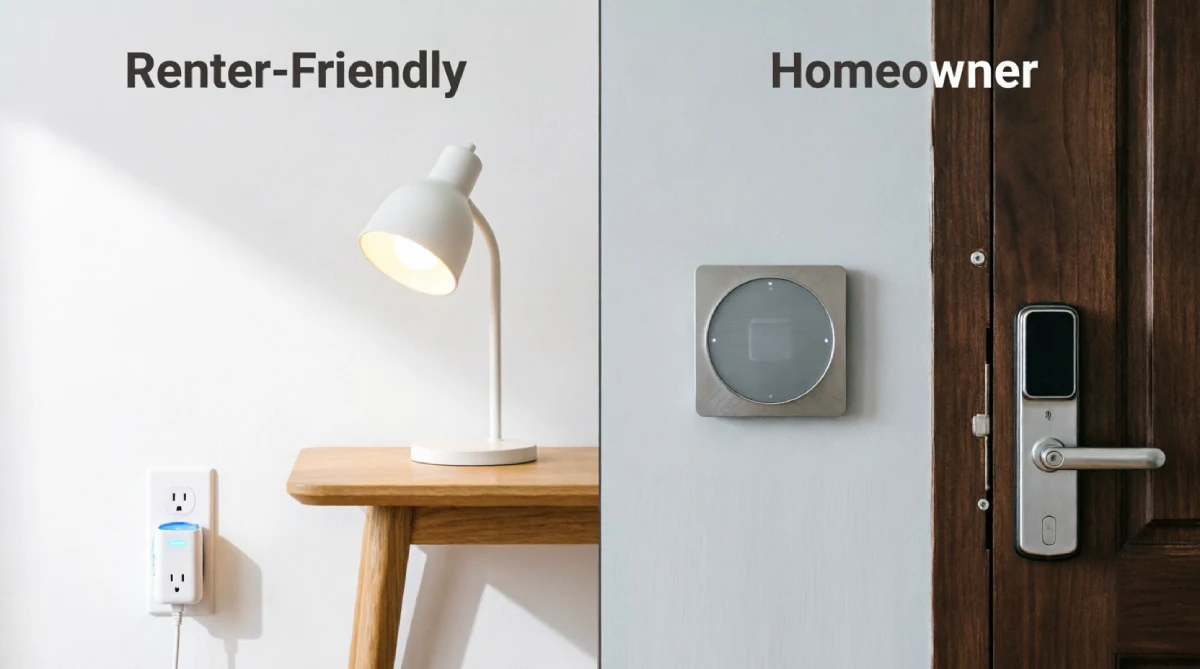
Renters can still build a smart home using non-permanent devices: smart bulbs that screw into existing sockets, plug-in smart outlets, portable sensors, and no-drill video doorbells (always check your lease terms first).
Homeowners have full access to all categories, including smart thermostats that require wiring, hardwired security systems, and smart locks that replace existing deadbolts. The investment return is higher for owners since the upgrades stay with the property.
Home Decor and Interior Design: Room-by-Room Breakdown
Living Room — Comfort Before Aesthetics
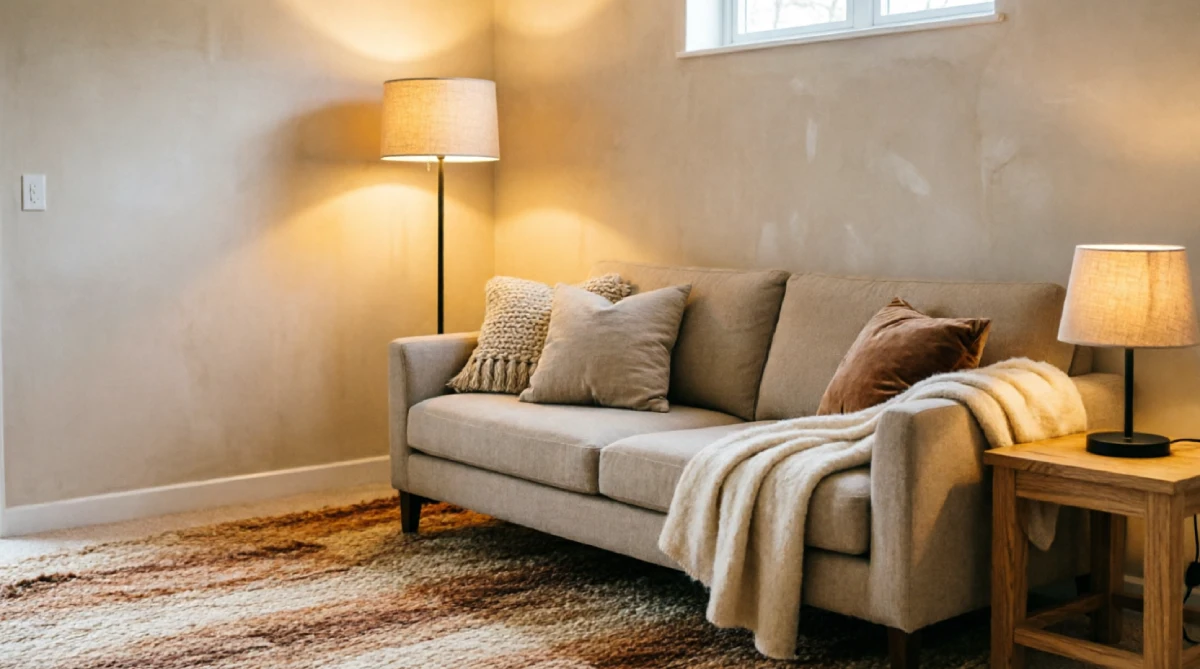
The living room is where most design mistakes start, because it’s the most visible room, and people design it for photos rather than for use. Start with seating arrangement: chairs and sofas should allow conversation without physical strain. Pull furniture a few inches away from walls—this simple shift makes the room feel more intentional.
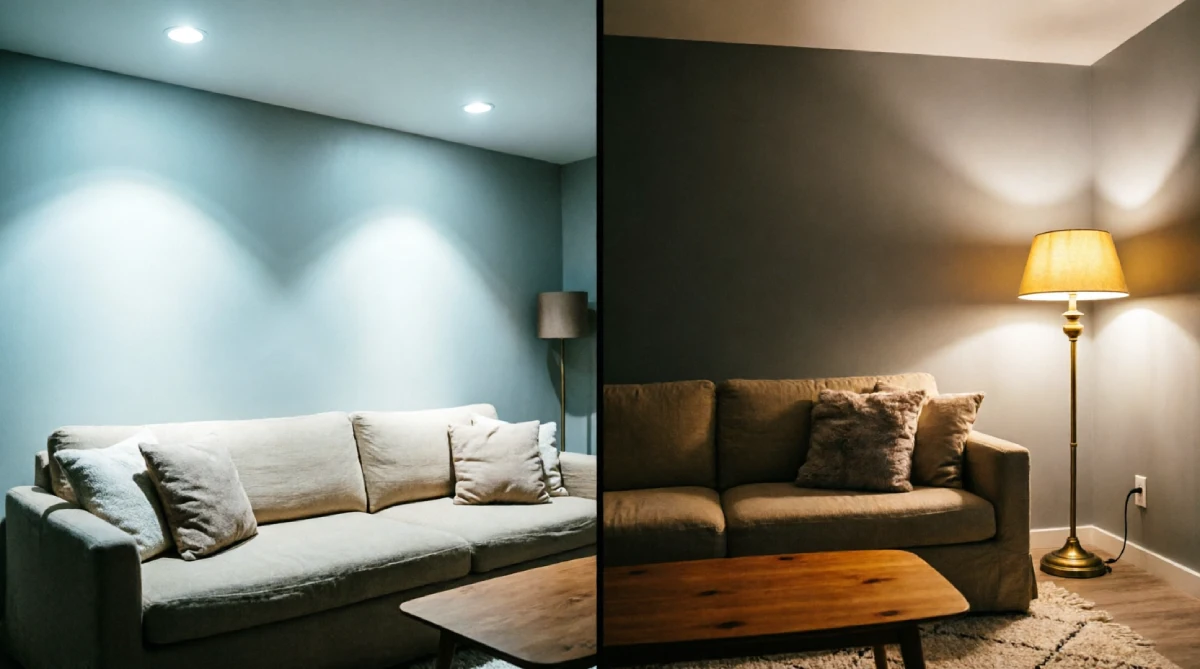
Layer the lighting. A single ceiling fixture flattens even well-chosen furniture. Add floor lamps, table lamps, or wall sconces with warm bulbs (2700K–3000K) to make the room relaxing in the evening.
Both renters and owners can implement these changes fully with no permanent modifications.
Bedroom — Calm Is a Design Decision
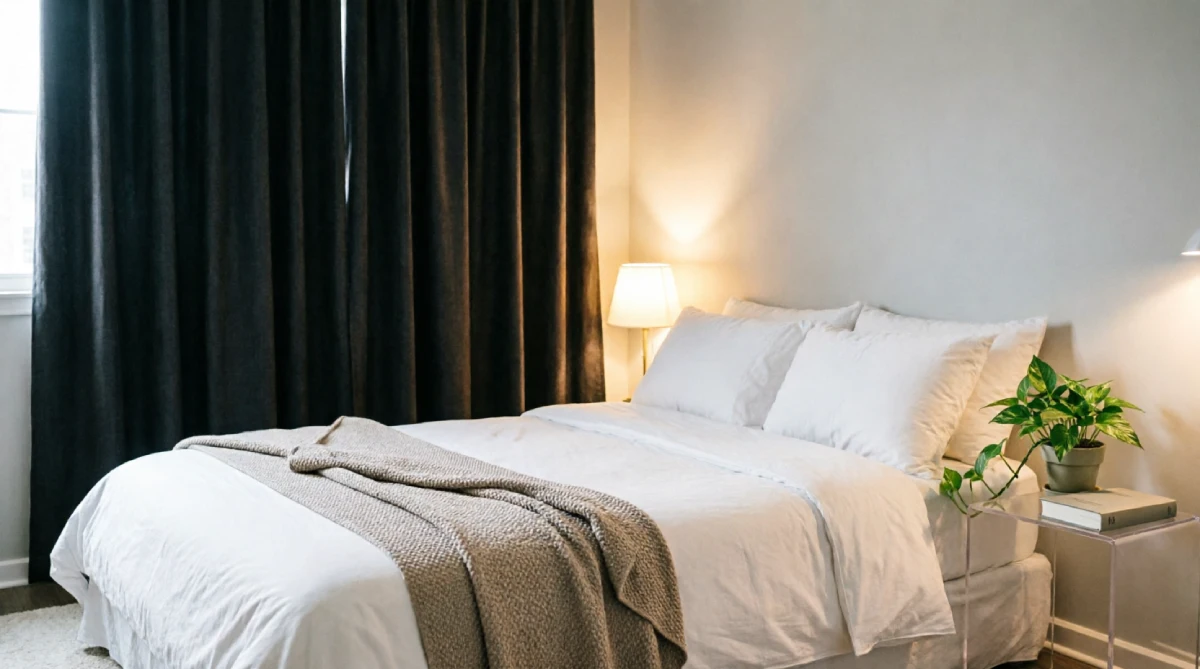
Surfaces in the bedroom should be clear by default. Clutter on nightstands and dressers translates directly into a restless feeling, even if you don’t consciously notice it. Edit what’s already there before buying anything new.
Bedding quality matters more than most people budget for—it’s the surface you’re in contact with for seven or eight hours. Choose based on feel, not appearance. Add curtains that actually block light if sleep quality is a priority.
Renters: Use tension rods for curtains instead of drilling. Peel-and-stick hooks on the back of the door handle for organization without wall damage.
Kitchen — Function Zones Before Style
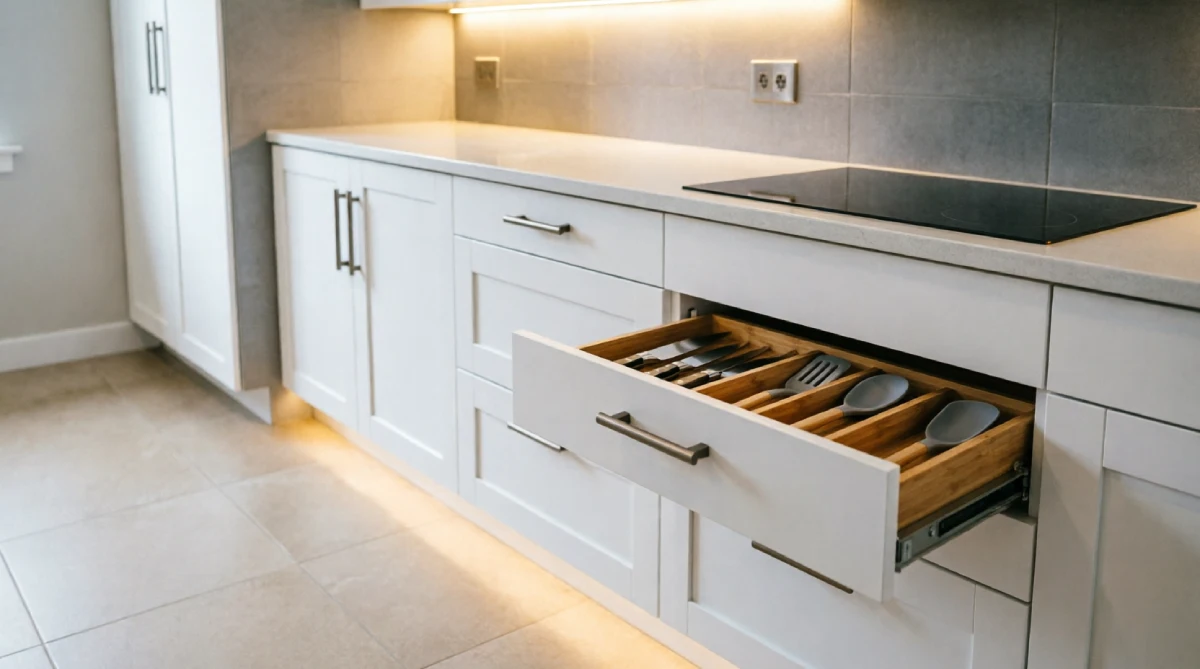
A kitchen organized into clear zones—cooking, prep, storage, coffee—runs noticeably better than one arranged for visual appeal alone. Keep daily-use items within arm’s reach of where they’re actually used. Rarely used items go higher or further away.
Open shelves look clean in photos, but collect grease and dust in working kitchens. If you cook regularly, closed storage is usually the more practical choice. New cabinet handles, under-cabinet lighting, and an organized drawer system deliver significant visual improvement without cabinetry replacement.
Owners can consider adding a tile backsplash or repainting cabinets for a mid-range upgrade in the $300–$800 range. Renters should focus on removable changes: contact paper on shelves, a washable runner, and better internal organization.
Bathroom — Practical Freshness Over Sterile Perfection
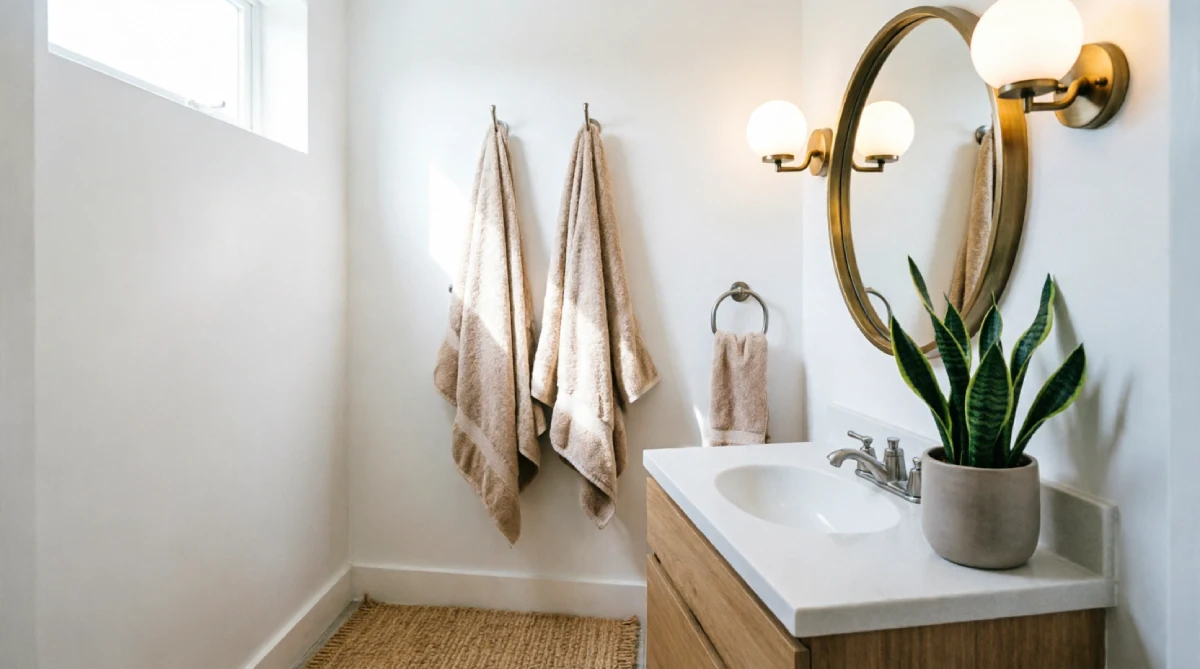
Before styling a bathroom, fix the basics: ventilation, any leaks, grout condition, storage, and lighting. A visually styled bathroom that has a mildew smell or surfaces covered in products is not solved.
Use trays, hooks, baskets, and mirrored storage to get daily items off the counter. Add warmth with textured towels, a bath mat, and warm-toned lighting if possible. A small plant works if the room gets enough natural light—succulents or snake plants survive lower light.
Renters: Peel-and-stick tiles can update a dated floor temporarily. Command hooks handle towels and robes without wall damage.
Entryway — Where Clutter Either Has a Home or Takes Over
The entryway problem is almost always a missing system, not a space issue. Shoes, bags, keys, mail, and jackets land on the floor because there’s nowhere designated for them. Even a narrow entry works with a slim console, hooks at the right height, a small basket for daily essentials, and one visual anchor like a mirror or lamp.
Keep it simple. The entryway’s job is to reduce friction when you leave and when you return—not to impress guests the moment they arrive.
Renter-Specific Home Advice — A Real Content Gap Competitors Ignore
Most home improvement content assumes you own the space. This assumption cuts out a significant portion of readers. TheHomeTrotters’ renter-focused content is one of its strongest areas, shaped directly by the McNamara family’s experience of making many temporary spaces feel like home.
- Peel-and-stick wallpaper — Available in hundreds of patterns, removes cleanly, and transforms a room in hours.
- Command strips and hooks — Handle art, shelving, and organization without a single hole.
- Tension rods — Hang curtains or create closet dividers with no hardware.
- Furniture risers — Add height to beds, sofas, or dressers to create under-furniture storage.
- Removable tile stickers — Temporarily update bathroom or kitchen tiles.
Lighting as a Transformation Tool Without Touching Wiring
This is the most powerful renter upgrade available. Smart bulbs replace existing bulbs and can be controlled by app or voice command. Floor lamps, table lamps, and battery-operated LED strips can be placed, repositioned, and moved to the next home.
Overhead lighting in most rentals is harsh and flat. Adding even one floor lamp with a warm bulb changes the room’s mood significantly for $40–$80.
How Routines Make a Temporary Space Feel Like Home
The McNamara family’s experience across dozens of living situations produced a practical insight: making a temporary place feel like home is partly about objects and partly about habits. The same morning routine, the same arrangement of personal items, the same evening setup—these create familiarity faster than any decorating change. The objects anchor the habit; the habit creates the feeling.
DIY and Home Maintenance — The Unglamorous Side That Protects Your Investment
A meaningful portion of common home repairs are well within the ability of a non-specialist homeowner with clear instructions:
- HVAC filter replacement (should happen every 1–3 months; many homeowners go years without doing it)
- Weather-stripping replacement on doors and windows
- Caulking around bathtubs, sinks, and exterior windows
- Minor plumbing fixes like running toilets and dripping faucets
- Patching small drywall holes before painting
Each of these, left alone, becomes a larger and more expensive problem. The HomeTrotters covers these with enough detail to be actionable, which is the actual test for DIY content.
Walk through your home every three months with a specific list. Look under sinks for moisture. Test smoke and carbon monoxide detectors. Check exterior caulking for cracks. Listen for unusual sounds from your HVAC system. Look at the drainage around the foundation after heavy rain.
Small issues caught early cost hundreds of dollars. The same issues caught late cost thousands. Maintenance is not a separate category from home design—it’s what keeps the design functional.
Budget Home Improvement — What Actually Delivers Results
These three areas consistently deliver the strongest visual return for the least money:
- Paint can shift the entire mood of a room. A full room repaint runs $150–$400 in materials for most spaces. If that feels like too much, paint one wall, a door, or trim—the impact is still significant. Matte finishes hide wall imperfections; eggshell is easier to clean in high-traffic areas.
- Fabric softens hard spaces. New curtains, a throw blanket, cushion covers, or a rug can change the temperature and texture of a room without touching furniture. A rug is consistently one of the highest-impact, most portable decorating tools—it works in owned and rented spaces alike.
- Lighting makes existing furniture look better. One warm-toned floor lamp can do more for a living room than a new sofa.
Before purchasing anything, do a full inventory of what you own. Gather vases, books, trays, frames, candles, baskets, and decorative objects in one place, then restyle them. Most people already own what they need—the problem is random placement rather than intentional arrangement.
Group items in odd numbers. Vary height. Leave space. Move a lamp from the bedroom to the living room. Shift a chair closer to the window. These cost nothing and often produce more change than a shopping trip.
FAQs
Who is Trisha McNamara, and what does she write about?
Trisha McNamara is the lead contributor at TheHomeTrotters.com. She writes about home decor, interior design, HVAC, plumbing, flooring, kitchen and bathroom improvement, outdoor spaces, and smart home technology. Her approach prioritizes practical, specific advice over broad generalities.
Is TheHomeTrotters only a home improvement site?
No. The platform carries two connected identities: Trisha McNamara’s home improvement writing, and the McNamara family’s story of full-time travel with four children. The travel experience directly informs the platform’s perspective on renter-friendly decorating, temporary spaces, and practical design choices.
What smart home hub does TheHomeTrotters recommend?
The platform does not endorse a single brand, but consistently advises choosing one ecosystem—Amazon, Google, or Apple—before purchasing any individual smart devices. Buying across incompatible ecosystems creates integration problems that are expensive to fix.
Is the content useful for renters?
Yes, significantly. A large portion of TheHomeTrotters content applies directly to renters: removable wallpaper, Command strips, tension rods, portable lighting, and organization changes that leave no permanent marks. The renter-focused content is one of the platform’s strongest areas.
How does the McNamara family fund full-time travel?
Through blog revenue from TheHomeTrotters.com, brand sponsorships, and remote freelance work. The platform is honest that this income model took time to mature and required savings during the early months. It was not immediately self-sustaining.
What is world-schooling?
World-schooling is the educational approach the McNamara family uses alongside online coursework and structured homeschooling. It treats cultural immersion—local history, language exposure, and hands-on experiences in different countries—as a core part of the children’s education rather than a break from it.
What room should I update first on a budget?
Start with the room that most affects your daily mood. For many people, that’s the bedroom, living room, or entryway. Identify one clear goal—better lighting, more storage, or improved comfort—and solve that before moving to aesthetics.
Does good home design require expensive furniture?
No. Layout, scale, lighting, and maintenance do more for a room’s quality than the price tag. Expensive furniture placed badly looks worse than affordable pieces arranged with intention. Edit before you buy, and measure before anything arrives.