


You are scrolling through a streaming platform at midnight and land on a film you have never heard of. The poster looks strange. The reviews are all over the place. But you click play anyway, and two hours later, you cannot stop thinking about it.
That experience has a name. Cult classic movies have been doing this to audiences for decades, pulling in viewers who feel like they discovered something the rest of the world missed. But what makes a film earn that label? Is it age, weirdness, box office failure, or something harder to define?
This guide breaks down what to look for — from the early warning signs to the fan communities that keep these films alive long after their original release.
What Makes a Movie a Cult Classic?
A cult classic is not simply an old film or a weird one. The term describes a specific relationship between a film and its audience — one built on passionate, repeat engagement rather than broad mainstream appeal.
Several characteristics tend to appear together in films that earn this status:
- A devoted minority fanbase that stays active for years or decades
- High rewatch value, where the film rewards multiple viewings
- An unusual or misunderstood reception at the time of release
- Long-term cultural presence through references, merchandise, or community events
The Rocky Horror Picture Show is the clearest example of all four working together. It bombed in traditional cinemas in 1975, then found its audience through midnight screenings where viewers dressed as characters, shouted dialogue back at the screen, and brought props. That audience did not just watch the film. They built a ritual around it.
Blade Runner tells a slightly different version of the same pattern. Critics and audiences were confused by its pacing and ambiguous ending in 1982. Over time, as science fiction culture grew and the film’s visual language became deeply influential, its reputation was rebuilt from the ground up.
Neither film is popular the way a blockbuster is popular. Cult status is not about size. It is about the depth of connection a smaller group of people feel toward a film they consider their own.
How Cult Classics Differ From Mainstream Hits
A mainstream hit earns its money fast. It opens wide, markets broadly, and fades from conversation within a few months. Cult films tend to work in the opposite direction.
The Big Lebowski grossed around $17 million in its original theatrical run against a $15 million budget. Critics at the time called it a minor Coen Brothers effort. Today, it has its own annual festival called Lebowski Fest, a thriving merchandise market, and a fanbase that quotes the film like scripture.
That pattern — quiet release followed by slow-building word of mouth — is how cult films grow. Home video played a huge role for decades. Fans would tape films off cable, share them with friends, and the audience would expand through personal recommendation rather than advertising.
Does a Film Have to Be Old to Be a Cult Classic?
Age helps, but it is not required. Time gives a film the chance to find audiences it missed on release, which is why older films dominate most cult classic lists. But the real requirement is community, not calendar years.
Donnie Darko came out in 2001, earned modest returns, and then exploded in popularity through DVD sales and online discussion forums in the mid-2000s. By 2005, it had already achieved clear cult status.
Midsommar (2019) built a passionate fanbase almost immediately, largely through social media discussion and its willingness to be genuinely uncomfortable in ways mainstream horror avoids. It is a recent film with unmistakable cult energy.
The timeline can compress dramatically in the internet age. What once took a decade of VHS sharing can now happen in two years of fan discussion online.
Key Signs of Cult Classic Movies
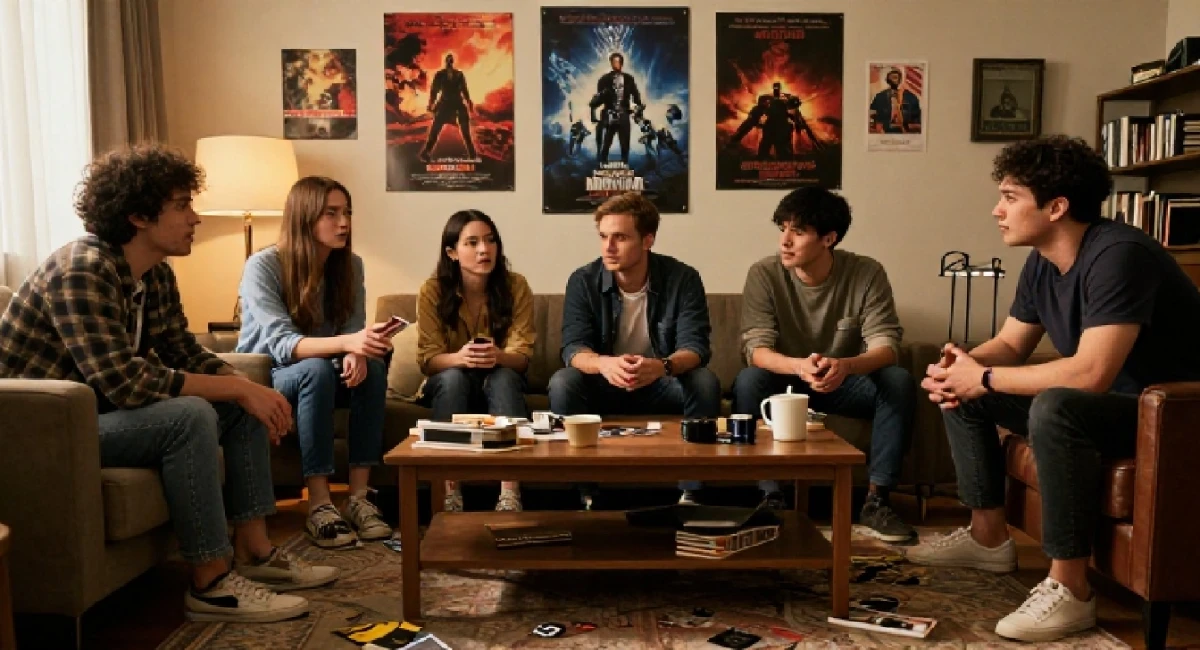
Several reliable markers can help you spot a cult classic. None of them alone is enough, but when several appear together, the pattern becomes clear.
The most consistent signs include an unusual or polarizing tone, dialogue that fans repeat outside the film’s context, a community that actively maintains the film’s legacy, and something reviewers missed on first viewing but audiences found on second or third.
A Fanbase That Goes Far Beyond Casual Viewing
Casual viewers watch a film and move on. Cult film fandom stays.
The Rocky Horror Picture Show’s midnight screening tradition is the most famous example. Audiences attend in costume, shout specific responses at the screen during particular scenes, and bring physical props to throw at key moments. This is not passive watching. It is participation.
Modern cult fandom has moved online without losing that energy. Reddit communities like r/TrueFilm and r/horror sustain ongoing discussions about niche films long after release. Discord servers organize group watches, fan theories, and anniversary celebrations. Letterboxd users build lists of obscure films that share the same spirit as their cult favorites.
Merchandise is another indicator. If a film that was not a commercial hit still has T-shirts, enamel pins, and art prints being made by independent creators years later, something real is keeping it alive.
Quotable Dialogue and Iconic Scenes People Repeat
A practical test for cult status is whether a film produces lines that fans repeat outside of any film-watching context.
Office Space (1999) is a clear example. “PC Load Letter? What the f*** does that mean?” and the printer destruction scene became workplace shorthand for an entire generation of office workers. The film was not a box office success, but its dialogue embedded itself in everyday conversation.
This Is Spinal Tap created an entire vocabulary around the phrase “turning it up to eleven” that spread far beyond film fandom into general use. That kind of cultural export is rare and marks a genuine audience connection.
When a film generates lines people carry into daily life, it signals that viewers are not just watching but internalizing it. That internalization is the foundation of cult identity.
A Tone or Style That Stood Apart From Its Era
Many cult films were simply too strange, too specific, or too original for audiences to process on first viewing.
David Lynch’s Eraserhead (1977) is almost impossible to summarize in conventional terms. Its industrial sound design, dream logic, and complete rejection of narrative convention left mainstream audiences cold. But filmmakers, art students, and adventurous viewers kept returning to it because it was doing something nothing else attempted.
Alejandro Jodorowsky’s El Topo (1970) blended spaghetti western aesthetics with spiritual allegory and graphic violence in a combination that had no precedent and no obvious audience. It found one anyway, largely through midnight cinema circuits in New York.
Heathers (1989) used the language of teen comedy to deliver pitch-black satire about social hierarchy and violence. It was too cynical for mainstream tastes at the time and became essential viewing for anyone who found those tastes unconvincing.
What these films share is a refusal to compromise their vision to meet audience expectations. That quality often reads as confusing at release and brilliant in retrospect.
How Cult Movies Build Their Reputation Over Time
A film does not become a cult classic overnight. The path from obscure release to cultural reference point usually runs through specific technologies, communities, and gatekeepers who keep a film in circulation long after its commercial window closes.
Critics matter, but so do the informal networks through which fans share films they love. Understanding that path helps explain why some films survive and others disappear entirely.
The Role of Home Video, Cable TV, and Late-Night Screenings
Before the internet, cult films spread through physical channels. VHS tapes were copied and shared. Cable channels like USA Network, HBO, and later IFC ran unusual programming in overnight slots when no one was paying attention to ratings.
Repertory cinemas in major cities programmed double features and themed nights around directors or genres. This is where Repo Man (1984), John Waters’ Pink Flamingos (1972), and similar films found consistent audiences. People would travel across a city for a midnight screening of a film their friends had raved about.
That physical experience of discovering a film through someone else’s enthusiasm was central to how cult status formed. The recommendation carried weight precisely because it came from a person, not an algorithm.
How Streaming Platforms Are Reshaping Cult Film Fandom
Streaming has changed the logistics of cult film discovery without necessarily changing its spirit.
The Criterion Channel has made rare and international arthouse films accessible to audiences who would never find them through mainstream distribution. Shudder has built a horror-specific library that surfaces genuine cult titles alongside new releases. Even mainstream platforms occasionally surface niche films through their recommendation systems.
The question worth asking is whether algorithmic discovery carries the same weight as personal recommendation. When a platform’s algorithm suggests a film based on viewing history, it lacks the human enthusiasm that made traditional cult film discovery feel like a secret being shared.
Fan communities on social platforms still generate that personal energy, though. A Letterboxd review from a trusted account can function much like a friend’s recommendation once did. The medium changes; the underlying social dynamic does not.
Genres That Produce the Best Cult Classics
Not all genres produce cult films at the same rate. Some are better at attracting devoted minority audiences, partly because they take risks mainstream productions avoid and partly because their fans already self-identify as enthusiasts rather than casual viewers.
The genres most consistently associated with cult classics include horror, science fiction, exploitation cinema, midnight movies, dark comedy, and arthouse film.
Horror and Sci-Fi: Why Genre Films Dominate Cult Status
Horror and science fiction allow filmmakers to pursue ideas that standard dramas cannot easily support. The genre context lets them be strange, violent, philosophical, or formally experimental in ways that would alienate audiences under a different label.
Stuart Gordon’s Re-Animator (1985) pushed practical effects and black comedy further than any mainstream horror film would risk. The result was a film too extreme for wide release and too entertaining for cult audiences to ignore.
John Carpenter’s They Live (1988) used alien invasion as a vehicle for economic class commentary. The film’s famous fight scene became one of the most referenced sequences in cult cinema history, not because of the action but because of what the action represents.
Event Horizon (1997) was marketed as a straightforward sci-fi thriller and disappointed audiences who expected exactly that. Viewed as cosmic horror, it holds together completely and has built a significant fanbase among viewers who found it on cable years after its release.
Genre fans reward creative risk-taking in ways general audiences sometimes do not. They also tend to share films within existing enthusiast networks, which speeds up cult recognition.
Dark Comedy and Satire: Films Too Sharp for Mainstream Comfort
Dark comedy occupies an uncomfortable position in mainstream distribution. It is too cynical for family audiences, too specific for broad marketing, and too uncomfortable for viewers who want entertainment without provocation.
Dr. Strangelove (1964) satirized nuclear policy with a specificity that could have aged poorly. Instead, its central absurdity proved durable enough to keep the film relevant across decades of changing politics.
Idiocracy (2006) received almost no theatrical marketing. Its distributor correctly judged that the premise — a future society dumbed down by anti-intellectualism and corporate culture — would not sell in a wide release campaign. It has since become a reference point in conversations about media, politics, and education in ways its distributor never expected.
These films tend to find audiences who feel that the story says something no other film is willing to say. That sense of recognition — of something true that mainstream culture avoids — drives the loyalty that sustains cult status.
What Separates a Genuine Cult Film From a Manufactured One?
As cult status became a recognized and desirable cultural label, studios began attempting to manufacture it. The results have been instructive.
A genuine cult film earns its audience through qualities the film actually possesses. A manufactured one tries to signal those qualities through marketing, casting, or deliberate weirdness. Audiences generally recognize the difference, even if they cannot always articulate why.
Snakes on a Plane (2006) is the clearest case study. The film’s internet pre-release campaign was enormous. The title alone generated meme-level discussion months before release. When the film came out, audiences attended the opening weekend out of curiosity and ironic interest. Long-term engagement did not follow. The film has not built the kind of active fandom that genuine cult classics produce, because the interest was always in the joke rather than the film.
The Problem With “So Bad It’s Good” as a Label
The “so bad it’s good” category deserves a closer look. Films like Troll 2 (1990), The Room (2003), and Birdemic (2010) have genuine cult followings, but the nature of that following matters.
Each of these films has produced real communities. The Room has been screened with audience participation traditions that rival The Rocky Horror Picture Show in some cities. Troll 2 inspired a documentary about its production, Best Worst Movie, which became a film in its own right.
The difference between genuine cult status and mockery tourism is whether the audience forms a lasting community or simply passes through. Fans of The Room do not just watch it once to laugh. They return repeatedly, learn the traditions, and recruit new members. That is cult behavior, regardless of whether the original film intended to be funny.
Cynical viewing — watching a bad film purely to feel superior to it — does not produce that community. It produces a single viewing and a dismissive review.
Can a Studio Intentionally Create a Cult Classic?
Studios have tried. The results suggest that cult status cannot be assigned from above.
The audience decides what becomes a cult film, not the marketing department. When studios try to position a film as quirky, niche, or deliberately weird, audiences recognize the attempt as commercial calculation and respond with skepticism.
Films that achieve genuine cult status almost always do so despite their commercial positioning, not because of it. They were misunderstood, undersold, or released in the wrong context. Their audiences found them and claimed them as their own. That sense of ownership — of having discovered something the mainstream missed — is a core part of what cult film fandom offers.
A studio cannot grant that feeling. It can only be earned through an authentic film meeting an audience that was ready for it.
How to Know If You Are Watching a Cult Classic Right Now

Most people do not recognize a cult classic while watching it. The recognition usually comes afterward — in the hours or days following the film, when the images and ideas keep returning.
But there are signals to watch for during and immediately after a viewing. The most reliable signs are these:
- The film feels unlike anything you have seen before.
- You find yourself wanting to tell someone about it almost immediately.
- A second viewing reveals things the first one obscured.
- You catch yourself thinking about specific scenes or lines in unrelated contexts days later.
None of these alone is definitive. But when several appear together, you are probably watching something that will stay with you.
Questions to Ask Yourself After the Film Ends
Give yourself a few minutes after the credits roll and work through these questions honestly:
- Did I think about the film later that same day, or the next morning?
- Did I immediately want to watch it again, either to catch things I missed or simply to experience it a second time?
- Did I want to discuss it with someone who had also seen it, or to recommend it to someone who had not?
- Did I look it up afterward, searching for background on the director, the production, or other viewers’ responses?
- Did the film feel like it was saying something that other films avoid?
- Did any specific image, line, or scene stay with me in a way I did not expect?
- Did I feel like I had found something that not everyone knows about?
If you answer yes to four or more of these, you have likely found a film with real staying power. Whether the broader world agrees yet is a separate question.
Where to Find Cult Film Discussions Online
Once you have found a film worth talking about, these are the best places to continue the conversation:
- Letterboxd is the most film-specific platform available. It functions as a social network built around film logging, lists, and reviews. Searching a film’s title on Letterboxd reveals how many people have watched it, what they thought, and who is curating lists around it.
- Reddit’s r/TrueFilm focuses on serious film discussion and frequently features threads on cult and obscure titles. r/horror runs similar conversations for genre films.
- The Criterion Collection’s website publishes essays, interviews, and archival materials for films in its collection, many of which are foundational cult titles.
- Podcasts like You Must Remember This, Blank Check with Griffin and David, and Switchblade Sisters cover cult and classic films with genuine enthusiasm and useful historical context.
These communities are internationally accessible and active enough that nearly any cult title you discover will have an existing thread, list, or review waiting for you.
Conclusion
Cult classic movies share a set of qualities that separate them from both mainstream hits and films that simply disappear. They carry an unusual vision. They find audiences through personal enthusiasm rather than advertising. They reward viewers who stay with them across multiple viewings. And they build communities that sustain the film’s presence long after its commercial moment has passed.
Spotting them early is part skill and part attention. Pay attention to films that feel singular, that stay in your head, and that make you want to share them with someone immediately. Those are the films worth following into fan communities and deeper exploration.
If you are looking for your next discovery, the parent article on the best underrated movies on streaming right now is a good place to start. Many of the films on that list carry exactly the qualities this article describes. Cult classic movies are out there waiting, and most of them are only one recommendation away.