

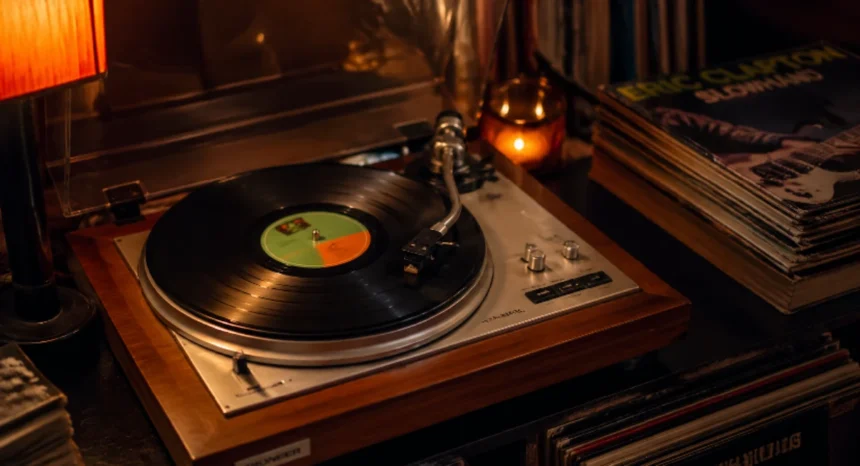
Why Are Vinyl Records Making a Comeback?
Spend five minutes in any independent record store on a Saturday afternoon, and you will see something that would have seemed unlikely twenty years ago: young people flipping through crates of vinyl records, asking questions about turntables, and walking out with albums under their arms.
- What Is the Vinyl Comeback and How Big Is It?
- Why Did Vinyl Disappear in the First Place?
- What Is Actually Driving the Vinyl Comeback Today?
- Nostalgia as a Purchasing Driver
- The Argument for Analogue Sound Quality
- Physical Ownership in a Streaming World
- Who Is Buying Vinyl Records Today?
- Older Collectors Returning to a Familiar Format
- Why Younger Buyers Are Discovering Vinyl for the First Time
- How Gift Culture Is Expanding the Collector Base
- How Artists and Record Labels Responded to Vinyl Collectors
- Record Store Day and Its Role in the Resurgence
- Limited-Edition and Coloured Vinyl as a Collector’s Market
- Streaming Platforms and Artists Cross-Promoting Vinyl
- The Role of Retail and Record Stores in Keeping Vinyl Alive
- Independent Record Stores as Community Anchors
- Big-Box Retailers Bringing Vinyl to Casual Buyers
- Discogs and the Online Secondary Market
- Challenges the Vinyl Industry Still Faces
- Why New Vinyl Takes So Long to Arrive in Stores
- Are New Pressings as Good as Original Records?
- The Environmental Cost of Vinyl Production
- What the Vinyl Comeback Means for Retro Music Culture
- Vinyl as a Reaction to Algorithmic Music Discovery
- How Vinyl Fits Into the Broader Analogue Revival
- What This Means for the Long-Term Future of Vinyl
- Conclusion
The vinyl comeback is not a marketing story. It is showing up in hard sales data, in the expansion of record-pressing plants, and in the buying habits of people who were not even born when vinyl last dominated the music market. Something genuine is happening here.
This article breaks down exactly what is driving the resurgence — who is buying, why the industry stepped back in, and what challenges still sit in the way of vinyl’s long-term growth.
What Is the Vinyl Comeback and How Big Is It?
To understand how significant this shift is, you need to look at the numbers rather than the cultural conversation. The vinyl resurgence is not a niche hobby quietly growing in the background. It has crossed into mainstream consumer territory, and the sales figures confirm it.
In the United States, the Recording Industry Association of America (RIAA) reported that vinyl records outsold CDs in revenue terms for the first time since the 1980s back in 2020 — and that trend has held for several years since. Annual vinyl album sales in the US have climbed from around 1.4 million units in 2007 to well over 40 million units by the mid-2020s. That is not a niche uptick. That is a structural shift in how people are choosing to buy music.
Vinyl Sales Numbers That Prove the Trend Is Real
The numbers tell a consistent story. According to RIAA data, vinyl revenue in the US surpassed CD revenue in 2020, marking the first time that had happened in roughly four decades. Since then, the gap has only widened.
The UK’s Entertainment Retailers Association (ERA) has reported similar momentum, with vinyl sales breaking annual records multiple years in a row. In 2022, UK vinyl sales crossed five million units for the first time since 1989. Globally, the IFPI (International Federation of the Phonographic Industry) has noted vinyl as one of the few physical music categories showing consistent year-on-year growth in an era where most physical formats are contracting.
These are not vanity numbers driven by a handful of big releases. The growth is spread across genres — from classic rock reissues to new releases from contemporary artists.
Which Countries Are Leading the Vinyl Resurgence?
The USA leads in raw volume, driven by a large collector base, strong independent record store networks, and consistent label investment in vinyl pressings. The UK follows closely, with a deeply rooted record store culture and a history of strong music fandom tied to physical formats.
Canada has seen steady growth, particularly in urban centres like Toronto and Montreal, where independent music culture remains healthy. Australia’s vinyl market is smaller in absolute terms but proportionally significant, with Australian cities hosting a strong network of independent stores and a dedicated collector community.
Each of these markets has its own character. British collectors tend to chase original pressings and rarities. American buyers show a strong appetite for newly pressed titles from current artists. Australian and Canadian buyers often sit somewhere between active secondary-market buyers who also follow new releases closely.
Why Did Vinyl Disappear in the First Place?
Vinyl did not vanish overnight. It faded across two decades as each new format promised something easier, cheaper, or more convenient. Understanding that decline is important because it explains exactly what the current resurgence is pushing back against.
Through the late 1970s and into the early 1980s, vinyl was the dominant music format. Then cassette tapes offered portability. CDs arrived in the early 1980s and promised perfect digital sound — no crackle, no degradation over time, no need to flip sides. By the early 1990s, CDs had overtaken vinyl in sales across most major markets. The format that had defined music listening for decades was suddenly considered outdated.
MP3s and digital downloads accelerated the decline further in the late 1990s and early 2000s. Then streaming services removed the concept of ownership from music listening almost entirely. By the mid-2000s, vinyl had effectively been written off by most of the mainstream music industry.
How Digital Audio Changed Listener Habits
Each shift in format also changed what listeners expected from music. CDs made skipping tracks instant. MP3 players meant you could carry thousands of songs in your pocket. Streaming removed any friction from the process of finding and playing music entirely.
The trade-off was engagement. Listening became something that happened in the background rather than something that required attention. Algorithms select tracks automatically. Playlists replaced albums as the primary unit of listening. Music shifted from an experience you chose to have to something that accompanied other activities.
This is a meaningful change, and it set up exactly the kind of reaction that is now driving part of the vinyl comeback.
The Near-Death of Record Pressing Plants
As vinyl sales collapsed through the 1990s, pressing plants closed down. The machinery required to press vinyl records is specialised and expensive to maintain. When demand dried up, plant operators had little reason to keep the equipment running.
By the early 2000s, only a small number of pressing plants remained operational globally. Most were running well below capacity. This created a bottleneck that the industry is still working through today: when demand returned, the infrastructure to meet it simply was not there. Lead times that used to be measured in weeks stretched to months, then to over a year.
That backstory matters because it is a core reason why vinyl prices are higher today than many buyers expect, and why popular titles sometimes take longer to reach shelves than the demand would seem to warrant.
What Is Actually Driving the Vinyl Comeback Today?
Several forces are running at the same time. The vinyl comeback is not the result of one trend. It is the product of overlapping motivations — some emotional, some practical, some cultural — that happen to all point in the same direction.
Nostalgia as a Purchasing Driver
For Gen X buyers and older millennials, vinyl carries a direct personal connection. These are people who grew up with record players in their homes, who remember specific albums tied to specific moments. Returning to vinyl is, for many of them, less about the format and more about reclaiming something that felt meaningful.
Classic albums by artists like Fleetwood Mac, Pink Floyd, David Bowie, and The Beatles have seen enormous demand in their reissued vinyl forms. Rumours by Fleetwood Mac became one of the top-selling vinyl albums in modern history, not because it is new, but because it connects with buyers who have a genuine emotional relationship with it. Retro music is not just popular — it is personally significant to a large portion of the current buying market.
The Argument for Analogue Sound Quality
The audiophile case for vinyl is straightforward, even if the technical debate is more complex than it first appears. A vinyl record captures sound as a continuous analogue wave. Digital formats, including streaming, sample the wave at fixed intervals and reconstruct it. The argument is that analogue playback, on decent equipment, produces a warmer and more natural sound that streaming cannot fully replicate.
Whether you accept that argument or not, a growing number of buyers do — and that belief is driving purchases. Many vinyl buyers invest in mid-range turntables and speaker setups specifically because they find the listening experience more satisfying than streaming the same music through headphones or a wireless speaker.
Physical Ownership in a Streaming World
There is something that streaming simply cannot give you: an object. A vinyl record has weight, artwork, liner notes, and a physical presence. You can hold it, file it, display it, lend it, and pass it down.
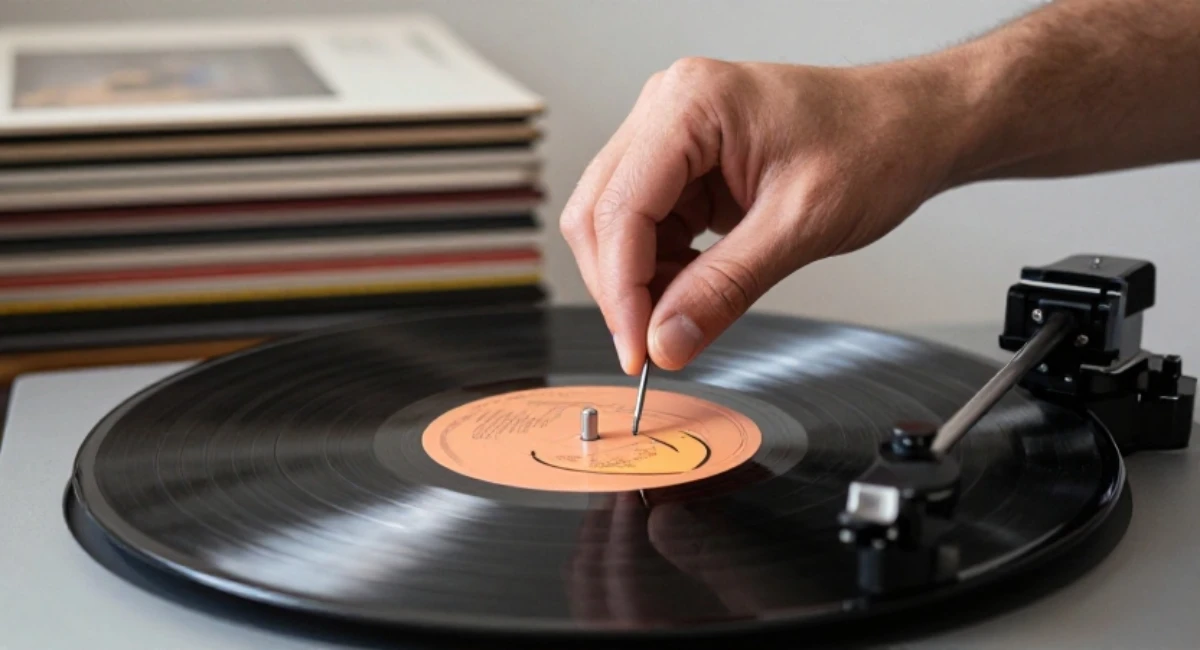
In a culture where most media has become intangible — stored in the cloud, licenced rather than owned, potentially removed when a service changes its terms — the appeal of a physical object you fully own has grown considerably. Vinyl collectors often describe the ritual of playing a record (removing it from its sleeve, placing it on the platter, dropping the needle) as part of the experience. That ritual is exactly what streaming was designed to remove, and for a growing audience, its absence is felt.
Who Is Buying Vinyl Records Today?
The profile of the vinyl buyer has shifted considerably from what it looked like even a decade ago. While the stereotypical image is an older collector hunting for first pressings, the actual buying market is broader and younger than many people assume.
Older Collectors Returning to a Familiar Format
Adults in their 40s, 50s, and 60s form a significant portion of the vinyl-buying public. Many of them owned records earlier in their lives, stopped buying when digital formats took over, and have returned as the format has become more accessible again.
This group tends to approach collecting with a specific intent. They often seek out albums from particular periods or genres — classic rock, soul, jazz, progressive rock. They care about pressing quality and provenance. They are frequently the buyers investing in higher-end turntable setups and spending meaningfully on individual titles rather than buying in bulk.
Why Younger Buyers Are Discovering Vinyl for the First Time
Gen Z’s interest in vinyl has surprised many industry observers. Survey data from MRC Data and other music tracking sources have consistently shown that buyers under 25 represent a substantial and growing share of vinyl purchases. In some reports, they account for more than a third of all vinyl buyers in certain markets.
The motivations differ from those of older buyers. For younger collectors, vinyl is partly aesthetic — records look good, turntables photograph well, and the format carries a cultural cachet that streaming cannot match. Social media platforms have amplified this. Seeing a turntable setup or a well-curated record shelf online has driven curiosity and purchase intent among people who grew up with music entirely in digital form.
There is also a broader rejection of always-on digital consumption among some younger buyers. Vinyl represents a deliberate, slower way of engaging with music that appeals to people consciously looking for that kind of experience.
How Gift Culture Is Expanding the Collector Base
Vinyl has become a genuinely popular gift. Starter turntable bundles at accessible price points (often between $80 and $150 from brands like Audio-Technica and Crosley) have made it easy for friends and family members to introduce someone to the format without a large upfront commitment.
Many first-time vinyl buyers received their turntable as a gift and then began building a collection from there. This gift-entry pathway has meaningfully expanded the collector base, bringing in buyers who might never have sought out vinyl on their own but who become regular purchasers once they own the equipment.
How Artists and Record Labels Responded to Vinyl Collectors
The music industry’s response to renewed vinyl demand has been both commercial and cultural. Labels that had largely abandoned the format began reinvesting, and artists found that vinyl could serve as both a revenue stream and a direct connection with their most engaged fans.
Record Store Day and Its Role in the Resurgence
Record Store Day launched in April 2008 as a single-day celebration of independent record stores, centred on exclusive vinyl releases that could only be purchased in-store. It has since grown into one of the most significant annual events in music retail, now held twice a year (spring and autumn in most markets).
The model is straightforward: artists and labels produce limited-edition vinyl titles specifically for Record Store Day, stores open early, and dedicated buyers form queues hours before opening. Certain releases sell out within minutes and appear on secondary markets within hours at significant markups.
For retro music fans and vinyl collectors, Record Store Day functions as both a shopping event and a community gathering. It reinforced the idea that buying vinyl is a social activity tied to a physical location — the opposite of clicking a button on a streaming app.
Limited-Edition and Coloured Vinyl as a Collector’s Market
One of the most commercially effective strategies labels have used is producing vinyl in coloured or patterned variants. Coloured vinyl (pressing records in translucent blue, swirled red and black, splatter patterns, and so on) has created a secondary collector’s market that runs parallel to the standard listening market.
Limited editions of popular albums have sold out at retail within hours and appeared on resale sites like Discogs and eBay at two to five times the original price. Taylor Swift’s vinyl releases are a well-documented example: multiple colour variants of the same album, each produced in limited quantities, have driven both immediate sales and sustained secondary-market activity. This model has since been adopted by artists across genres.
Streaming Platforms and Artists Cross-Promoting Vinyl
Some artists and their management teams have learned to use the timing of vinyl releases strategically. Releasing a vinyl edition simultaneously with or even slightly before a digital release creates a sense of occasion around the album that streaming alone cannot generate.
Bandcamp, acquired by Songtradr and used extensively by independent artists, has made it easier than almost any other platform for musicians to sell vinyl directly to their audience. An artist can offer pre-orders, manage fulfilment through third-party pressing services, and build a vinyl-buying community without going through a major distributor.
The Role of Retail and Record Stores in Keeping Vinyl Alive
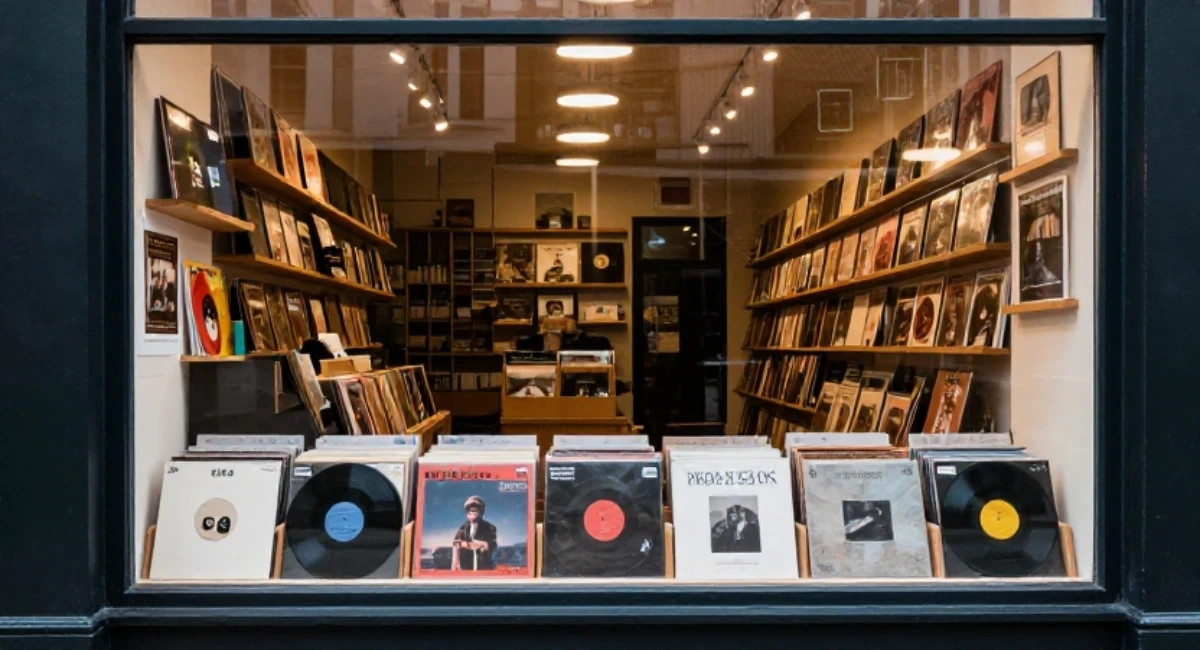
Retail has played a dual role in the vinyl resurgence — independent stores kept the culture alive through the lean years, while larger commercial players brought the format back to casual buyers at scale.
Independent Record Stores as Community Anchors
Through the 1990s and 2000s, when the mainstream music industry had effectively abandoned vinyl, independent record stores kept it available. These shops served as gathering points for collectors, stocking used records, rare titles, and a curated selection of new pressings that major retailers would not touch.
Stores like Amoeba Music in Los Angeles and San Francisco, Rough Trade in London and New York, and Reckless Records in Chicago became known not just as places to buy music but as places where music knowledge lived. Staff recommendations, listening posts, and in-store events created communities around the stores that kept regular customers coming back regardless of what the digital market was doing.
Many of these stores not only survived the digital era but are now significantly busier than they were a decade ago.
Big-Box Retailers Bringing Vinyl to Casual Buyers
The entry of large retail chains into the vinyl market beginning in the early 2010s marked a genuine turning point for mainstream accessibility. Urban Outfitters was among the first lifestyle retailers to stock vinyl as part of its broader aesthetic appeal to a younger demographic. Target and Walmart followed, offering popular titles at competitive prices — typically in the $20 to $30 range for new releases.
The stock at these outlets skews heavily toward mainstream pop, classic rock, and a narrow selection of contemporary bestsellers. Critics within the collector community argue that big-box vinyl retail dilutes the culture by treating records as lifestyle accessories rather than music. Supporters counter that it introduces the format to buyers who then seek out independent stores for deeper selections.
Both things are true. The mass-market vinyl buyer and the dedicated collector coexist, and each serves a role in keeping demand healthy across the market.
Discogs and the Online Secondary Market
Discogs has become the default marketplace for vinyl collectors worldwide. Launched in 2000 as a music database, it evolved into a peer-to-peer marketplace where collectors buy and sell used, rare, and out-of-print records with a level of price transparency that did not exist before.
For buyers, Discogs allows access to titles that are simply unavailable in local stores. For sellers, it provides a global audience. The platform’s database — which tracks pressings, countries of origin, and matrix numbers — gives collectors the information they need to assess whether a particular copy of an album is the pressing they want.
It has also created a measurable price floor for the secondhand market, making it easier for both buyers and sellers to understand fair value for retro music titles.
Challenges the Vinyl Industry Still Faces
The vinyl comeback is real, but it would be misleading to describe it without acknowledging the significant practical problems that the industry has not yet solved. Several structural challenges continue to shape what buyers experience and what artists can realistically achieve.
Why New Vinyl Takes So Long to Arrive in Stores
The pressing plant bottleneck is the most discussed problem in the vinyl industry. There are still relatively few plants operating globally, and even after investment in new equipment during the 2010s and 2020s, total capacity remains well below what demand requires.
Artists and labels routinely wait 12 to 18 months from placing an order to receiving finished records. For major labels with established relationships and volume orders, lead times are managed through planning. For independent artists, the wait can be longer and the minimum order quantities harder to justify financially.
This is not a problem unique to any single market. It affects buyers in the US, UK, Australia, and Canada equally — which is why popular titles often sell out quickly and reorders take months to fulfil.
Are New Pressings as Good as Original Records?
This is a live debate among vinyl collectors. Many experienced buyers argue that original pressings from the 1960s and 1970s, cut from analogue masters and pressed on heavier vinyl, simply sound better than modern reissues. The reasons are varied: modern pressings are often thinner (standard weight has dropped from 180g in some classic pressings to 140g or 150g in many new releases), and not all reissues are cut from the original analogue masters, with some sourced from digital files.
The result is inconsistency. Some modern reissues are exceptional. Others disappoint collectors who paid a premium, expecting quality comparable to an original. Buyers can reduce this risk by checking pressing information on Discogs, reading reviews on specialist audio forums, and paying attention to which pressing plants and mastering engineers were involved.
The Environmental Cost of Vinyl Production
Vinyl records are made from PVC (polyvinyl chloride), a petroleum-based plastic. The manufacturing process is energy-intensive,e and the material is not easily recyclable at the end of life. As environmental awareness has grown, this has become a genuine point of tension within the vinyl collector community.
Some manufacturers have begun experimenting with recycled PVC content and bio-based alternative materials. Companies like Evolution Music have pressed records using recycled vinyl, and the results have been commercially viable if not yet mainstream. The conversation about environmental impact is not going away, and it is likely to become more central to vinyl industry debates through the remainder of the decade.
What the Vinyl Comeback Means for Retro Music Culture
Step back from the sales figures and the industry mechanics, and something more interesting emerges. The vinyl resurgence is not just a commercial story. It is a cultural response to something that digital listening changed — and not necessarily for the better.
Vinyl as a Reaction to Algorithmic Music Discovery
Streaming algorithms are extraordinarily good at keeping people listening. They surface music based on past behaviour, create frictionless transitions between tracks, and reduce the need for any active choice. The experience is efficient and convenient, but it is also passive.
Vinyl demands the opposite. You have to choose an album. You have to handle the record carefully. You have to listen to the sequence the artist intended because changing tracks requires physical effort. For retro music lovers who find the streaming experience thin and impersonal, vinyl offers something that feels more deliberate.
The act of listening to a record from beginning to end — as the artist sequenced it, with the pauses and transitions they intended — is a meaningfully different experience from letting an algorithm curate an infinite, unending playlist. Many collectors describe this as the core reason they returned to or chose vinyl.
How Vinyl Fits Into the Broader Analogue Revival
Vinyl is not the only physical or analogue medium experiencing renewed interest. Film photography has grown significantly in the past decade, with sales of 35mm film rising sharply and new camera manufacturers entering a market that was supposed to be finished. Physical book sales have remained more resilient than many predicted when e-readers launched. Handwritten correspondence, journaling, and paper planners have all seen genuine consumer interest among groups who are otherwise fully embedded in digital life.
These trends share a common thread: a preference for experiences that have texture, limitations, and presence. A vinyl record can scratch. A photograph can come out underexposed. A physical book cannot be instantly searched. These are features to some buyers, not bugs. The limitations are part of what makes the experience feel real.
What This Means for the Long-Term Future of Vinyl
Industry analysts are cautiously optimistic about vinyl’s staying power. The buyer demographic is broadening rather than ageing out, pressing plant investment is gradually increasing capacity, and the format has demonstrated consistent year-on-year growth across multiple market cycles. Whether it plateaus or continues climbing depends largely on whether younger buyers remain engaged as they age into higher purchasing power.
Conclusion
The vinyl comeback is one of the more unexpected cultural stories of the past two decades. A format that most of the music industry had written off has not only survived but grown into a commercially significant and culturally meaningful part of how people engage with music.
The reasons are not mysterious. People want to own things. They want to listen with intention. They want music to feel like something more than background noise generated by an algorithm. Vinyl, with all its imperfections and inconveniences, offers exactly that.
If you follow music closely and care about how pop culture has changed around it, vinyl is far more than a collector’s hobby. It is a signal about what listeners actually value. For a deeper look at how music shapes the cultural conversation right now, explore our full guide to how music shapes pop culture in 2026.