

How Do Celebrity Feuds Affect Their Careers? The Truth Behind the Drama
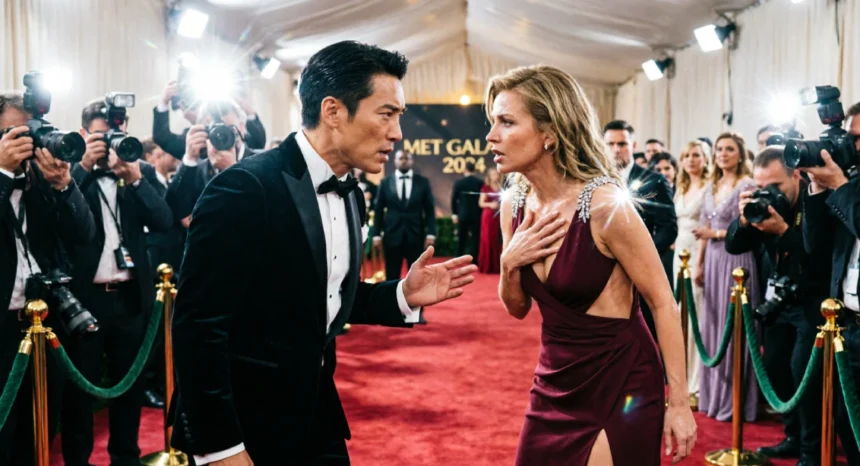
Everyone loves a good celebrity feud. The subtweets, the diss tracks, the red carpet cold shoulders — the kind of drama that breaks the internet overnight. But beneath the entertainment value lies a question worth asking: what actually happens to a celebrity’s career when they go to war in public?
- What Counts as a Celebrity Feud — and Why It Matters
- How Celebrity Feuds Can Damage a Career
- How Celebrity Drama Can Actually Boost a Career
- Celebrity Feuds Impact — Case Studies Worth Examining
- The Role of Public Perception in Shaping Outcomes
- How Celebrities Manage (or Mismanage) the Fallout
- What Celebrity Conflicts Reveal About the Entertainment Industry
- Conclusion
The answer cuts both ways. Some feuds destroy deals, push collaborators away, and turn the public hostile. Others send streaming numbers through the roof and lock a celebrity into the cultural conversation for years.
This article breaks down both sides — the damage and the unexpected gains — using real examples to show how celebrity conflicts play out when the cameras never stop rolling.
What Counts as a Celebrity Feud — and Why It Matters
Not every celebrity argument qualifies as a feud, and the distinction matters. A feud has weight. It has history, public visibility, and usually a financial or personal dimension that keeps it burning. A one-sided callout or a snarky comment on a talk show is not the same as a sustained, public conflict between two high-profile figures.
Celebrity drama sits on a spectrum. At one end, a single provocative tweet gets screenshotted and forgotten within a week. At the other, legal battles, competing press tours, and years of coded references in interviews and lyrics. The career impact scales accordingly.
The Difference Between a Beef and a Full-Blown Feud
A beef is a moment. A feud is a chapter.
When one celebrity throws shade and the other does not respond, the story dies quickly. When both parties engage over an extended period — especially in the press or through their art — it becomes a feud with real-world consequences.
Take Taylor Swift and Scooter Braun. That dispute was not a Twitter argument — it involved ownership of her masters, public statements, legal manoeuvring, and a re-recording project spanning years. Compare that to a musician making a passing jab at a rival during an interview. Same category on paper, completely different scale of impact.
How the Internet Changed the Stakes
Before social media, celebrity conflicts played out through tabloids with a delay. A magazine might sit with a story for a week before it hit newsstands. Now, a single post reaches millions within minutes, and fan accounts, news aggregators, and algorithms do the rest.
The speed changes everything. A celebrity caught in the wrong moment on a Tuesday night can wake up Wednesday to cancelled brand partnerships, trending hashtags, and a publicist’s inbox full of fires. The window to manage a conflict before it manages you has shrunk to almost nothing.
How Celebrity Feuds Can Damage a Career
The damage is not always immediate or obvious. Sometimes it is a slow erosion: one brand quietly opts out of a renewal, one director stops returning calls, one fan base gradually migrates elsewhere. By the time the damage is fully visible, it has already compounded.
Celebrity conflicts carry real business risk. The entertainment industry runs on relationships, and public fighting signals instability to the people who write the cheques.
Brand Deals and Sponsorships at Risk
Brands are risk-averse by design. They invest in celebrities because those celebrities carry associations their customers want to buy into. The moment a celebrity becomes defined by controversy rather than their craft, those associations shift — and brands respond.
Kanye West’s commercial collapse following his repeated public conflicts is the clearest modern case study. Adidas terminated its Yeezy partnership in late 2022, a deal estimated at over $1.5 billion annually. Gap and Balenciaga followed. His net worth reportedly dropped by hundreds of millions within weeks. The pattern reveals what brands measure: not talent, but reputational stability. Once that calculation shifts, exits happen fast.
When Fans Choose Sides and Streaming Numbers Shift
Fan armies are organised. During the Drake vs. Kendrick Lamar battle in 2024, Kendrick’s “Not Like Us” saw massive streaming spikes, driven by fans pushing it up the charts while suppressing Drake’s responses on playlists and social platforms. Both tracks charted, but the cultural narrative clearly favoured one side.
This is the fan economy in action. A rival fanbase is not just a group of disappointed listeners. It is a coordinated force capable of reporting content, flooding comment sections, launching counter-campaigns, and shaping public perception. For a celebrity on the losing side of that effort, the numbers tell the story.
Industry Relationships and Collaboration Losses
The cost that rarely makes headlines: the collaboration that quietly never happens. Producers who do not want to be caught in the crossfire. Labels that prefer artists who are “easier to work with.” Directors who pass on talent that comes with baggage.
Some artists survive this because their commercial pull outweighs the inconvenience. Others, particularly those earlier in their careers, find that the industry is smaller and holds grudges longer than it looks from the outside.
How Celebrity Drama Can Actually Boost a Career

For certain celebrities, in certain moments, a feud is the best career move they never planned. Attention is currency in the entertainment industry, and controversy generates it at a volume most press campaigns cannot match. Here is how that works, and why some celebrities emerge from conflicts stronger than when they entered them.
The Publicity Paradox — Bad Press That Pays Off
The Nicki Minaj and Cardi B tension shows clearly how celebrity drama keeps both parties commercially relevant. Their conflict, peaking around 2018 and continuing through years of coded references, placed both artists at the centre of conversations during critical points in their careers. Streaming numbers, social media following, and pop culture visibility all spiked around their most heated exchanges.
Neither career suffered. Both maintained headline presence they might not have commanded in crowded release periods. Search traffic follows conflict. When people take sides, they look up everything — albums, old interviews, collaborations, history. That curiosity translates into real commercial exposure.
Diss Tracks and the Music Sales Bump
Conflict and commerce have always been linked in music. From the East Coast vs. West Coast era to modern beef cycles, diss tracks have proven they can chart, win awards, and shift an artist’s position in the industry overnight.
Kendrick Lamar’s “Not Like Us” is the freshest example. Released during his 2024 battle with Drake, the track debuted at number one on the Billboard Hot 100, was performed live at the Super Bowl halftime show in 2025, and earned Grammy recognition. The feud did not just boost Kendrick’s streaming numbers. It repositioned him as the defining voice of his generation in hip-hop — a status he now holds more firmly than at any prior point in his career.
Diss tracks work commercially because they arrive with built-in context. Everyone already knows the story, which means everyone is invested in the response.
Celebrity Feuds Impact — Case Studies Worth Examining
Theory only goes so far. The real test is what actually happened — to real people, in real time, with money and public opinion at stake.
Taylor Swift vs. Scooter Braun — A Conflict That Became a Movement
When Taylor Swift publicly announced in 2019 that Scooter Braun’s company had acquired her first six albums without her consent, most expected a brief news cycle. What followed was a years-long conflict that reshaped her career more than any album release had.
Her “Taylor’s Version” re-recording campaign turned a business dispute into a fan-driven mission. Listeners streamed the re-recorded albums specifically to support her ownership claim, and the project generated enormous commercial success. Her fanbase grew and became more loyal because the conflict gave them something to rally around.
The feud did not hurt Swift. It handed her a narrative that positioned her as an artist fighting for her own work, and her audience responded with commercial support that made the re-recordings a mainstream event.
Kanye West’s Ongoing Conflicts and the Cost of Alienation
Kanye’s career arc demonstrates what happens when feuds become a pattern rather than a chapter. His public conflicts were not limited to one rival or one moment. They spanned years, targets, and industries, and the cumulative effect compounded in ways no single controversy might have produced alone.
The result was progressive commercial isolation. Brand partners left. Radio programmers distanced themselves. Industry collaborators who once competed to work with him quietly moved on. His artistic reputation, while still acknowledged in certain circles, became inseparable from his public behaviour — and his commercial reach shrank as a result.
Drake vs. Kendrick Lamar — When a Feud Resets the Hierarchy
The 2024 rap battle between Drake and Kendrick Lamar was one of the most commercially significant feuds in recent music history. Kendrick’s “Not Like Us” sold, streamed, and resonated in ways that shifted the public’s understanding of where both artists stood.
Drake remained commercially active in the months following, but the cultural narrative tilted toward Kendrick. He performed at the Super Bowl. He received the critical awards attention. The feud produced a clear winner in the court of public opinion, and both artists’ career trajectories reflected it.
Mariah Carey vs. Nicki Minaj — TV Feuds and Their Shelf Life
The American Idol judging panel became must-watch television in 2012 largely because of the visible tension between Mariah Carey and Nicki Minaj. Clips circulated constantly. Ratings climbed. Both artists stayed in the headlines throughout the season.
But the long-term impact on either career was limited. The conflict was contained within a specific context, neither artist suffered lasting professional damage, and the feud aged into a pop culture footnote rather than a defining moment. It shows that not every feud carries lasting weight. Context, platform, and stakes all shape how long the consequences last.
The Role of Public Perception in Shaping Outcomes
Two celebrities can walk into the same conflict and walk out with completely different career outcomes. The feud itself is not the determining factor. What the public decides to do with it is.
Public perception is the ultimate referee in celebrity conflicts. Audiences decide who the victim is, who the aggressor is, and how much grace each party deserves. That judgment is not always logical or consistent, and it is shaped by forces that extend beyond the facts of any particular dispute.
Gender, Race, and the Uneven Judgment of Celebrity Conflicts
The same behaviour is read differently depending on who is doing it. Male celebrities who engage in public conflicts are often described as assertive, passionate, or protective of their reputation. Female celebrities in identical situations are more often labelled difficult, unstable, or attention-seeking.
Race compounds the disparity. Black female artists in particular have faced harsher public and media characterisation in feuds where their white counterparts received more sympathetic framing. This is documented across multiple high-profile cases, and it directly affects which celebrity gains public sympathy and which loses it — regardless of who started the conflict or what the facts were.
Timing and Cultural Mood — Why Context Decides Everything
A feud that erupts during a release cycle lands differently from one that breaks during a personal crisis. Audiences interpret the same action through whatever lens the current cultural moment provides.
Post-pandemic audiences were less forgiving of perceived arrogance or callousness from public figures. Feuds that might have read as entertaining in 2016 carried a higher reputational cost by 2021 and 2022, because the public mood had shifted toward exhaustion with excess and entitlement. Celebrities and their teams who understood that shift managed their conflicts accordingly. Those who did not often paid for it.
How Celebrities Manage (or Mismanage) the Fallout
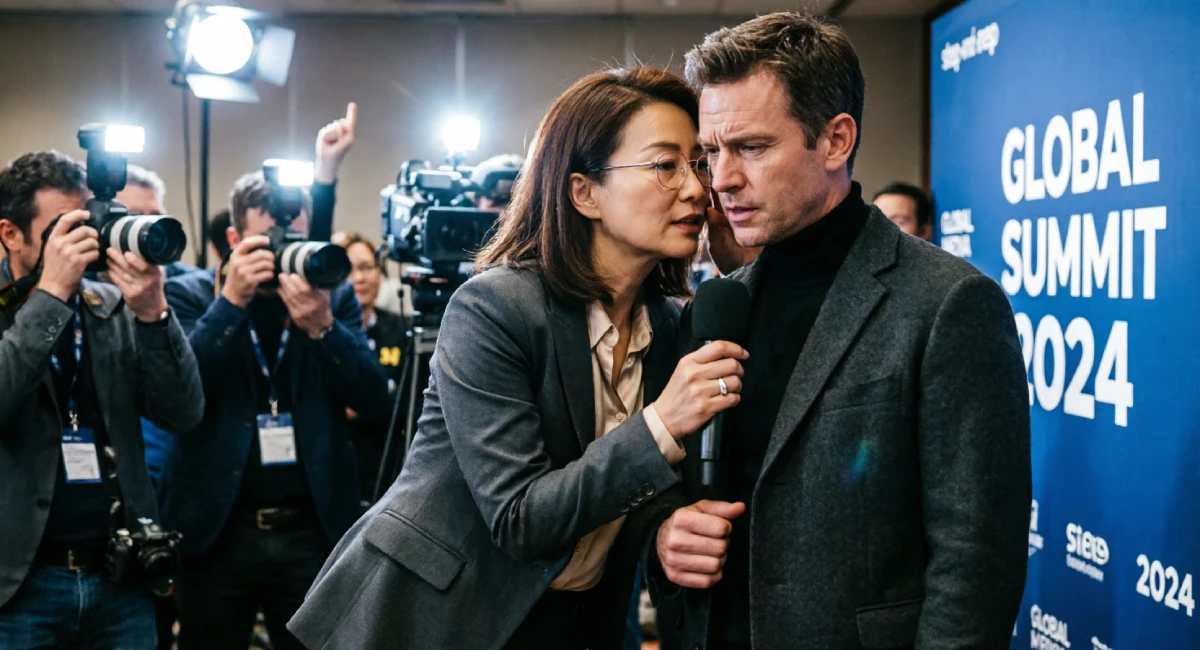
The feud itself is only one part of the story. What a celebrity does in the weeks and months that follow often matters more than what started the conflict. Publicists, managers, and the celebrities themselves make decisions in that window that can either stabilise the situation or make it worse.
The Apology Cycle — When Sorry Works and When It Backfires
A public apology has a specific shelf life. Audiences will accept one if it arrives quickly, sounds genuine, and is followed by consistent behaviour. When apologies come late, are vague, or are followed by the same conduct that caused the problem, they amplify the original damage rather than repair it.
Justin Bieber’s early career was marked by repeated public missteps followed by apologies his audience largely accepted, in part because of his age and the personal growth that followed. Contrast that with celebrities who issue carefully worded statements drafted by legal teams that read more like liability management than accountability. Audiences can tell the difference.
Using Art as the Response — Turning Conflict Into Content
The most effective response to a feud is often not a statement. It is a song, an album, a film, or a social media series that addresses the conflict without engaging directly.
Beyoncé exemplifies this approach. Rather than entering public arguments, her creative output has referenced personal conflict, external criticism, and industry tension in ways her audience receives as both artistic and emotionally honest. The work becomes the response, and the work sells.
This strategy channels conflict into something with commercial value. The audience engages with the feud through art, which feels more satisfying than a press statement and generates far more revenue.
Going Quiet — When Silence Is the Smartest Strategy
Not every celebrity needs to respond, and some of the most effective crisis management in recent entertainment history has involved saying nothing.
Adele’s near-complete absence from social media controversy, despite operating at the highest level of the music industry for over a decade, has worked in her favour. When asked about other celebrities’ conflicts in interviews, she redirects. The silence is deliberate — a brand position that has preserved both her credibility and her commercial reach across audiences who might otherwise be divided by taking sides.
What Celebrity Conflicts Reveal About the Entertainment Industry
Step back from any individual feud and a clearer picture emerges: celebrity conflicts are not just personal dramas. They are products of an industry that profits from visibility, where staying relevant often means staying controversial, and where the people who control money and media have their own incentives to keep the conflict alive.
Media Incentives and Why Feuds Get Amplified
Entertainment outlets generate traffic from conflict. A story about two celebrities who respect each other professionally does not trend. A story about a feud does. This shapes editorial decisions in ways rarely stated openly but easy to observe.
Publicists understand this and use it. Carefully timed leaks, anonymous sources, and strategically placed exclusives allow celebrities to manage narratives while maintaining a layer of public distance. The media gets content. The celebrity gets coverage. The feud stays alive past the point where it might have resolved, because resolution is less commercially useful than ongoing drama.
The Fan Economy — How Audiences Become Participants
Modern fandom has moved from passive observation into active participation. Fans do not just follow celebrity conflicts. They shape them.
Coordinated streaming campaigns, mass-reporting of social media accounts, organised hashtag movements, and collective efforts to push or suppress specific content have all been documented in major celebrity feuds. BTS fans showed this power repeatedly across multiple contexts. Taylor Swift’s fan base demonstrated similar capacity during the Scooter Braun conflict and beyond.
This shifts the traditional dynamic. A celebrity entering a feud in 2026 is not just managing a conflict with one rival. They are navigating the combined force of that rival’s fan community, which has real tools at its disposal and the motivation to use them.
Conclusion
Celebrity feuds are career events with measurable financial, professional, and cultural consequences for everyone involved. The same conflict that ends one celebrity’s brand partnership portfolio can send another’s streaming numbers to a peak they have never reached before.
What determines the outcome is rarely who started it. It is who the public decides to believe, what each celebrity does next, and whether the cultural moment is working for or against them. A feud with the right narrative, handled with skill, can define a career for the better. The same feud, handled poorly, can quietly close doors that never reopen.
The most revealing thing about celebrity feuds is what they expose beyond the drama. They show how the entertainment industry works: who holds power, who the media chooses to protect, and how audiences have moved from spectators to participants. If you want to understand pop culture in 2026, watching how celebrities fight, respond, and recover tells you as much as the music or the films ever will.
Keep watching the conflicts. They are telling you more than they seem.