

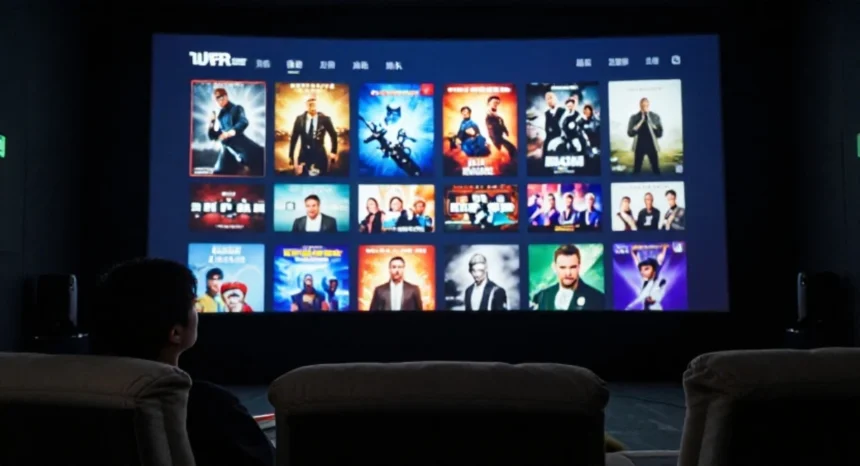
Most movie fans go straight to the titles everyone talks about. You finish a franchise favourite, check what else is in the series, and skip anything without a strong reputation.
- What Makes a Movie a Hidden Gem Inside a Franchise?
- Why Hidden Gems in Movie Franchises Are So Easy to Miss
- How to Find Underrated Franchise Movies on Your Own
- Underrated Franchise Movies Worth Watching Right Now
- What to Look for When Judging a Franchise Entry on Its Own Terms
- Building a Personal Watchlist of Hidden Franchise Films
- Finding Hidden Gems in Movie Franchises Is a Skill, Not an Accident
That habit is costing you some great films. Hidden gems in movie franchises are real and far more common than people think. This guide covers how to find them, what to look for, and why so many of them slipped past the radar in the first place.
What Makes a Movie a Hidden Gem Inside a Franchise?
The phrase “hidden gem” gets used loosely, so it helps to define what it actually means inside a franchise.
A hidden gem is not simply a film that made less money than its predecessor. It is a film that delivered real quality but never reached the audience it deserved. That gap — between what the film offered and how many people watched it — is what defines it.
That gap can happen for many reasons: poor timing, a misleading trailer, a quiet release window, or the bad luck of landing between two louder entries in the same series. None of those reasons reflect the quality of the film itself.
Setting that expectation matters because it changes how you search. You are not looking for films everyone agrees are underrated. You are looking for films where the audience numbers do not match the experience of watching them.
Low Viewership vs. Low Quality: Understanding the Difference
This distinction is the most important one to get right before you start digging.
Some films have low viewership because they simply did not work. The story fell apart, the tone was off, or the production quality was not there. Those are worth knowing about so you can skip them.
But others have low viewership for reasons unrelated to quality. Take a mid-franchise entry released six months after a massive installment in the same series. Audiences were fatigued. Critics were harder than usual. The marketing budget was smaller. The film got buried not because it failed creatively, but because the circumstances around it worked against it from the start.
Learning to separate those two categories is the real skill. Audience scores on platforms like Letterboxd often tell a different story than critical aggregates, and that gap is frequently where the better films are hiding.
Why Hidden Gems in Movie Franchises Are So Easy to Miss
Even if you actively want to find underrated franchise movies, the way most people discover films works against that goal. The systems around movie discovery — studio marketing, streaming algorithms — tend to push the same titles toward the same audiences again and again.
Understanding why certain films get buried helps you look in the right places instead of accepting what the algorithm gives you.
How Studio Release Strategies Bury Certain Films
Studios do not treat every film in a franchise equally, and that imbalance shapes what audiences actually see.
When a franchise has a “bridge” entry — a film designed to connect two larger installments rather than anchor one — the marketing budget is often smaller. The release window may be less competitive, which means less noise around the film and less public awareness that it exists.
A film released in a crowded quarter with minimal press coverage, no major promotional push, and limited screen count starts at a disadvantage unrelated to its quality. Most viewers never get the chance to make their own judgment because the film was invisible from the moment it launched.
The Role of Critical Reception in Shaping What Gets Watched
A film’s reputation often gets locked in during its first review cycle, and that reputation tends to stick far longer than it should.
A score of 55% on a review aggregator sounds dismissive, but those numbers combine very different types of reviews: critics who came in with expectations the film was never designed to meet, audiences responding to hype that was never there, and a handful of honest assessments of the film on its own terms.
The problem is that a mediocre aggregated score signals to most casual viewers: skip this one. That decision gets made before they ever press play. Once a film earns that label at launch, it rarely gets a second chance — even when fan communities rate it significantly higher years later.
How to Find Underrated Franchise Movies on Your Own

This is where the search becomes practical. Finding lesser-known franchise movies is less about stumbling across something and more about building habits that put you in the right spots.
Start With the Franchise Chronology, Not the Popularity List
Most people approach a franchise by starting with whatever is most recommended and branching out only if they enjoy what they find. That approach skips a lot.
When you follow the full chronological order of a franchise instead, something changes. You pick up narrative threads, tonal shifts, and character references that make the quieter entries feel more connected to the larger whole. A film that felt flat or inconsequential to someone jumping in mid-series often lands very differently for someone who watched what came before it.
This does not mean every franchise entry becomes good in order. But it does mean you are giving each film the context it was designed to work within — and that context frequently reveals why a film was underseen rather than underdone.
Use Letterboxd Lists and Fan Communities to Spot What Critics Missed
Aggregated critic scores are a starting point, not a final answer. The more reliable sources for hidden franchise entries are the people who care enough about these films to write about them for free.
Letterboxd is one of the most useful tools for this. User-created lists like “best franchise deep cuts” or “franchise entries worth revisiting” are built by people with real passion for the material. The reviews attached to low-profile entries often tell you more about what a film delivers than any professional summary.
Reddit communities work similarly. Subreddits focused on specific franchises (r/alienfranchise, r/startrek, r/horrorfans, and dozens of others) regularly surface discussions about underappreciated entries, with context on why those films deserve more attention. Fan wikis are another layer: they document every entry in a franchise with equal weight, regardless of commercial performance, which makes them useful for finding titles you did not know existed.
Filter Streaming Platforms by Franchise Tags, Not Just Genre
Streaming platforms are built to serve popular content first. Their default recommendations reflect what most users watch, which means obscure franchise entries rarely appear on anyone’s home screen without deliberate searching.
A few practical approaches help here. JustWatch lets you search by franchise or series and see the full catalog across multiple platforms at once. This surfaces entries that individual platform searches often bury. Searching by franchise name directly, rather than browsing by genre, also produces more complete results on platforms like Prime Video and Apple TV+.
Catalog depth varies by platform. Some services hold larger franchise libraries than others, and that shifts based on licensing deals that change regularly. Checking two or three platforms before deciding a franchise entry is unavailable is worth the extra minute.
Underrated Franchise Movies Worth Watching Right Now
Enough theory. Here are specific examples of franchise films that get passed over despite being well worth your time.
Underrated Entries in Major Action and Adventure Franchises
- Mission: Impossible — Rogue Nation (2015) sits in the shadow of both Ghost Protocol before it and Fallout after it, but it holds up as one of the tightest entries in the series. The opera sequence alone is better constructed than most standalone action films.
- Terminator 3: Rise of the Machines (2003) is routinely dismissed as the weakest of the original trilogy, but it takes real creative risks with its ending — refusing to give audiences the reset they expected. That choice made it unpopular at the time and makes it worth revisiting now.
- The Bourne Legacy (2012) gets written off for not featuring Jason Bourne, but as a standalone action film with a different protagonist, it delivers consistent, strong work that most people dismissed without watching.
Lesser-Known Franchise Movies in Horror and Thriller Series
- Alien 3 (1992) remains one of the most contested entries in the franchise, but David Fincher’s Assembly Cut is a meaningfully different film from the theatrical version. It is darker, more coherent, and deserves reassessment apart from its troubled production history.
- Scream 4 (2011) arrived when the franchise was considered exhausted. Its commentary on remake culture and social media is sharper than its reputation suggests, and horror fans who revisit it consistently enjoy it more than expected.
- Halloween III: Season of the Witch (1982) has almost nothing to do with Michael Myers — which is exactly why audiences rejected it at the time and exactly why it has built a passionate following since. As a standalone horror film, it is original and strange in the best way.
Hidden Gems in Animated and Family Franchise Films
- The Road to El Dorado (2000) is a standalone DreamWorks film from a short-lived run of hand-drawn adventure features. It is funnier and more visually confident than its box office performance ever reflected.
- The Rescuers Down Under (1990) was the first Disney sequel to an animated film and was largely overshadowed by The Little Mermaid the year before. The animation quality is exceptional, and the adventure pacing holds up better than many remember.
- Treasure Planet (2002) is among the most ambitious animated films Disney produced in the early 2000s, and it landed during a difficult transitional period for the studio. Its combination of hand-drawn and CGI elements still looks striking, and the story earns more than it gets credit for.
What to Look for When Judging a Franchise Entry on Its Own Terms

One of the biggest reasons hidden franchise films stay hidden is that people approach them with the wrong measuring stick. Comparing a mid-budget franchise entry to the highest-grossing film in the same series almost always produces an unfair result.
Judging a film on its own terms means asking a different set of questions before and during your watch.
Does the Film Work Without Full Franchise Knowledge?
A strong hidden gem usually works independently of the larger series. The characters have clear motivations. The story has a beginning, middle, and end that make sense within the runtime. You do not need to have watched six other films to follow what is happening.
That standalone quality is one of the clearest markers of real craft. It means the filmmakers were building a complete story, not filling a slot in a release calendar. Films that require extensive franchise knowledge just to make basic sense are rarely the ones that get rediscovered years later.
Before committing to an entry you are unsure about, read a few user reviews from people who watched it cold. If the consensus is that it works on its own, that is a strong signal.
Tone and Risk-Taking as Markers of Quality in Overlooked Entries
Many underrated franchise films failed commercially because they tried something the audience did not expect. That same quality is often what makes them rewarding to discover later.
A franchise entry that slows the pacing, shifts into darker territory, or blends genres will almost always polarise its immediate audience. Viewers who came for a specific experience feel let down. Critics who measure the film against franchise expectations rather than filmmaking quality mark it down.
But those same choices tend to age well. Films that took risks feel more interesting years later than films that played it safe. Unusual tone and genre-blending are often positive signals when assessing something overlooked — not warning signs.
Building a Personal Watchlist of Hidden Franchise Films
Discovery without organisation stalls. You find an interesting title, make a mental note, and forget it the next time you open a streaming app. Building a deliberate watchlist solves that.
How to Prioritize Your List Without Getting Overwhelmed
Franchise catalogs are deep. Some series run to twelve or fifteen films before you count spinoffs and direct-to-video entries. Trying to watch everything at once is a fast way to lose interest.
A better starting point: pick one franchise you already enjoy and find the single entry that gets the least attention. Watch that first. If it holds your interest, go one level deeper into that same series before branching out to a new franchise.
This “one hidden gem per franchise” approach keeps the list manageable and builds real context over time. You are not chasing breadth — you are building depth in specific areas, which makes each discovery more meaningful and easier to discuss with other fans.
Once you have worked through a few franchises this way, expanding outward becomes natural rather than overwhelming.
Tracking What You Watch and Sharing Discoveries With Others
Logging what you watch does two things: it makes you more deliberate about what you choose next, and it creates a record of your discoveries that is useful over time.
Letterboxd is the most complete tool for this. You can log films, write short notes, add them to lists, and follow other users whose taste aligns with yours. That last part matters. When you share a hidden gem find and people engage with it, you often get recommendations back that you would not have found on your own.
For something less public, even a simple notes app with franchise names and watched titles does the job. The goal is not the platform — it is accountability and direction, so that the next time you open a streaming service, you already know what you are looking for.
Finding Hidden Gems in Movie Franchises Is a Skill, Not an Accident
Most people never look past the obvious titles in a franchise because the path of least resistance takes them to the popular ones. That is understandable, but it means missing a lot of good filmmaking.
Hidden gems in movie franchises are not buried because they were bad. They were buried because the circumstances around their release worked against them: smaller budgets, crowded windows, unfair comparisons, and review cycles that locked in reputations before audiences could form their own.
You now have a practical set of tools for changing that. Follow franchise chronology. Use Letterboxd and fan communities. Filter streaming platforms intentionally. Judge each film on its own terms rather than against the biggest entry in the series.
Start with one franchise you already know. Find the entry nobody talks about and give it a fair watch. That habit, repeated across different series, builds into a different relationship with the films you already love.
And when you are ready to go further, check out our full guide on the best underrated movies on streaming right now for a broader look at what is worth watching beyond the franchises you already follow.