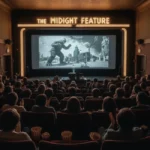

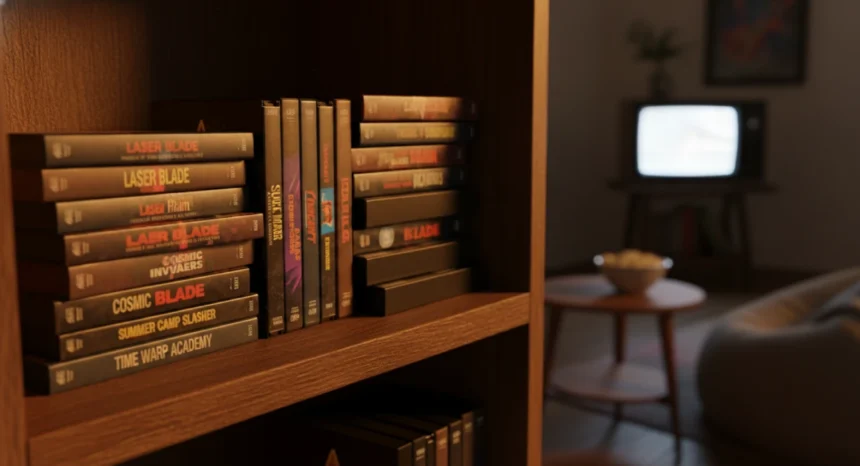
You put on a film from 1985. No smartphone. No streaming queue. No Marvel multiverse. Just a story, a score, and characters you actually care about — and somehow, forty years later, it works perfectly.
- What Makes a Movie “Hold Up” Over Time?
- The Storytelling in 80s Movies Was Built to Last.
- Practical Effects Aged Better Than Anyone Expected
- Movies from the 80s That Still Hold Up Because of Their Emotional Core
- The Music Did Something That Modern Soundtracks Often Miss
- Directors Had More Creative Freedom — and It Shows
- 80s Nostalgia Is Real, But It Is Not the Whole Story
- How These Films Connect to the Best Underrated Movies on Streaming Right Now
- Conclusion
If you have ever wondered why movies from the 80s still hold up while plenty of newer releases fade from memory within a week, you are not alone. This is a question that keeps coming up, and the answer goes much deeper than rose-tinted nostalgia.
This article breaks down the real reasons — the craft, the storytelling, the music, the production choices — that keep 80s cinema alive and genuinely compelling today.
What Makes a Movie “Hold Up” Over Time?
Before getting into specifics, it is worth being precise about what “holding up” actually means. It is not just about enjoying a film because you grew up with it. That is nostalgia, and nostalgia can make almost anything feel good.
A film truly holds up when someone who has never seen it — born long after its release, with no personal history attached to it — watches it and still finds it entertaining, emotionally real, and worth finishing. That is a much harder test to pass.
There is a useful distinction here between films that survive on charm and films that remain genuinely compelling. A charming film might still be fun in a “so-bad-it-is-good” way. A compelling film earns your attention on its own terms, every single time you watch it. The 80s produced plenty of both, but what stands out is how many of them fall firmly into the second category.
The goal here is not to defend every film made between 1980 and 1989. Some have not aged well at all, and we will get to that honestly. But the ones that have? There are clear, explainable reasons why.
The Storytelling in 80s Movies Was Built to Last.
The single biggest reason so many classic films from this era still work is structural. 80s screenwriters — and the directors who shaped their scripts — were obsessed with story architecture. Clear setups. Real stakes. Payoffs that actually paid off.
Films like Back to the Future and The Princess Bride are textbook examples of the three-act structure working exactly as it should. Every scene moves the story forward. Every character choice has a consequence. Nothing is introduced without a reason.
Modern audiences are often surprised by how tight these scripts are. There is very little wasted time. When you watch Back to the Future, every joke, every detail, every line of dialogue from the first act comes back in the third. That level of craft does not age.
Characters Who Wanted Something Real
One of the clearest patterns across timeless 80s movies is the simplicity of what the protagonist actually wants. These are not abstract desires or thematic statements dressed up as character goals. They are human, specific, and immediately understandable.
Marty McFly wanted to get home. Ferris Bueller wanted one perfect day before high school ended. Elliot wanted to help a lost creature find its way back. These goals are so clear that you understand them within the first ten minutes, and that clarity pulls you through the entire film without effort.
Modern blockbusters often struggle with this. When a character wants to “save the universe” or “restore balance,” audiences intellectually understand the stakes but rarely feel them. When a kid wants to get home before his parents find out what happened, everyone in the room understands that feeling in their chest.
Endings That Actually Paid Off
80s films had endings. Real ones. Stories that completed themselves, resolved their central questions, and sent the audience home satisfied. That sounds simple, but it is increasingly rare.
Today, a significant number of big-budget films end in ways designed to set up the next installment. The story does not finish — it pauses. That approach can work, but it often leaves audiences feeling like they watched a chapter rather than a film.
The Breakfast Club ends. Ghostbusters ends. Stand by Me ends, and it ends beautifully. These films trusted themselves enough to conclude, and that completeness is a big part of why rewatching them still feels rewarding rather than frustrating.
Practical Effects Aged Better Than Anyone Expected
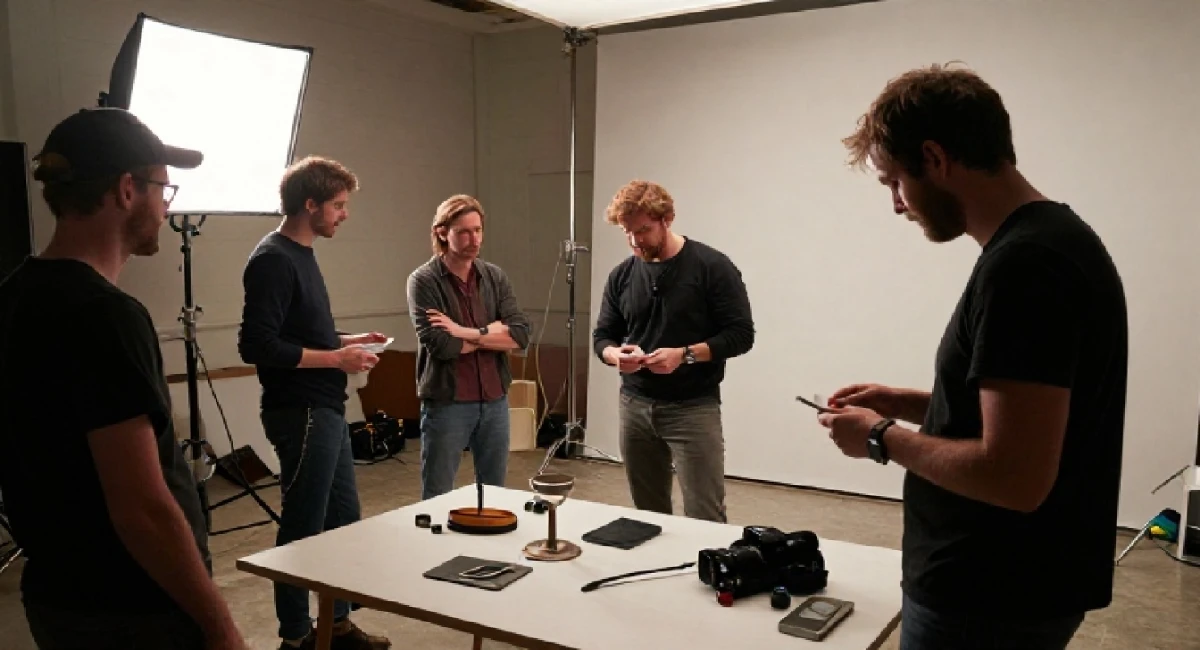
This one surprised a lot of people. When CGI arrived in the 90s, the assumption was that digital effects would quickly make practical filmmaking look primitive. The opposite happened.
Physical, in-camera effects — puppetry, miniatures, prosthetic makeup, animatronics — have held up visually in a way that early computer-generated imagery simply has not. The Xenomorph in Aliens (1986) is a suit, a puppet, and a series of clever camera angles. It still looks threatening. It still feels present in the scene with the actors.
Contrast that with digital creatures from just a decade later, and the gap is striking.
Why CGI from Later Decades Looks Worse Today
Take The Mummy from 1999. At the time, the digital effects were impressive enough to be a selling point. Watch it now, and those same effects are the weakest part of the film — flat, weightless, clearly composited onto the scene rather than existing within it.
Then watch The Thing from 1982. John Carpenter’s film uses practical creature effects that were considered grotesque and shocking at the time. Decades later, they are still effective. The reason is physical weight. Real materials catch light the way real objects do. They interact with the environment. The camera does not have to work around them because they are actually there.
This is not a knock on CGI as a tool. Modern visual effects are extraordinary. But the early digital work from the late 90s and early 2000s sits in an uncomfortable middle ground that the 80s practical work simply avoids.
The Texture of Real Sets and Costumes
Beyond creature effects, there is something deeper going on with 80s production design as a whole. The sets in Blade Runner are physical environments built and dressed by hundreds of skilled hands. The streets are wet. The neon reflects off actual surfaces. The costumes have wear and weight.
Raiders of the Lost Ark filmed in real deserts, real markets, real caves. You feel the heat and the dust because they were genuinely there. That physical reality transfers through the screen in a way that is hard to fully articulate but very easy to feel as a viewer.
Audiences process authenticity subconsciously. When something is real, something in the brain registers it as real, even if the viewer cannot explain why.
Movies from the 80s That Still Hold Up Because of Their Emotional Core
Strip away the effects, the soundtrack, and the memorable dialogue, and what remains in the best 80s films is emotional honesty. These films were not afraid to mean something.
The Breakfast Club is about five teenagers who do not understand each other and then do. E.T. is about loneliness, connection, and the specific grief of losing something you love. Stand by Me is about the last summer of real childhood. These are not period-specific emotions. Every generation experiences them, and every generation finds something personal in these films.
That is why calling them timeless 80s movies is accurate in the most literal sense. The decade is visible in the clothing, the technology, and the haircuts. But the feelings underneath are not from the 80s at all.
Coming-of-Age Stories That Cross Generations
A teenager watching The Breakfast Club today does not identify with the specific cultural references. They identify with the feeling of being reduced to a label, of being misunderstood by adults, of being surprised by someone you assumed you had already figured out.
The technology has changed completely. The social context is different. But the experience of adolescence — the confusion, the performance, the desire to be seen as something more than what others expect — remains constant. These films speak directly to that experience, and they do it without condescension.
Friendship and Loyalty as Constant Themes
The Goonies, Ghostbusters, Stand by Me — these films centre on groups of people who genuinely need each other. The friendships are not decorative. They are the story. What happens between the characters matters as much as whatever external threat or adventure is driving the plot.
This is something audiences connect with immediately,y regardless of when or where they grew up. The idea of a group of friends facing something together, of loyalty being tested and proven, is one of the most durable stories humans tell. These films told it well.
The Music Did Something That Modern Soundtracks Often Miss
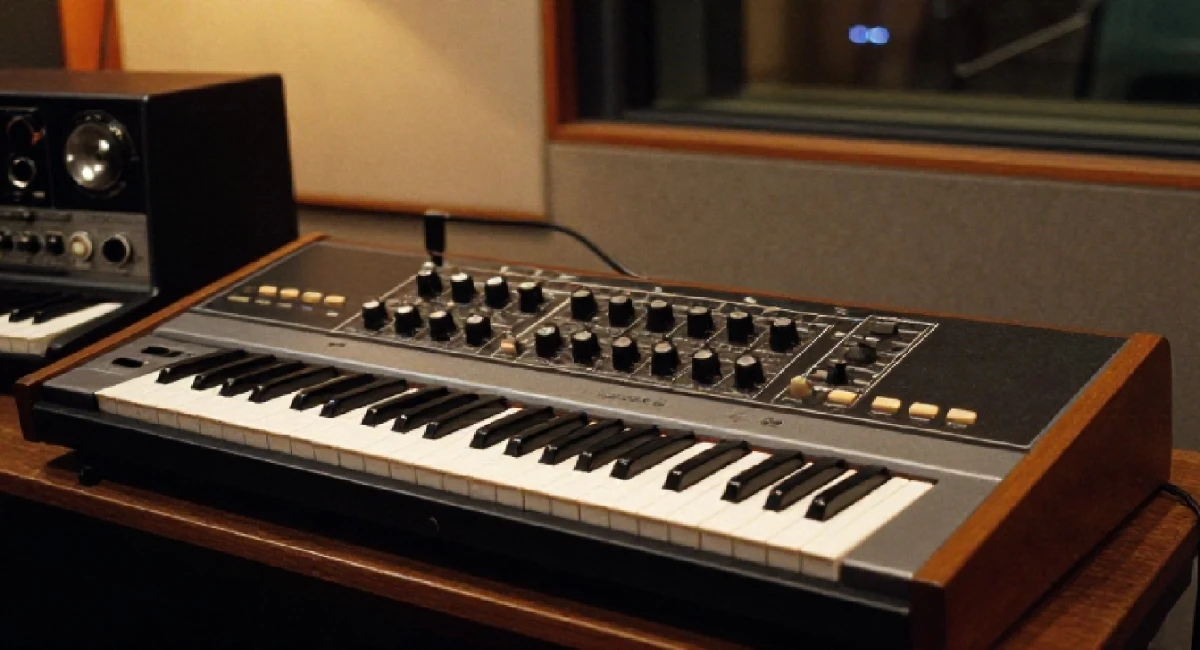
Ask someone to hum the theme from Back to the Future or Rocky. They can do it immediately. Ask them to hum the theme from most major releases of the past five years, and most people will struggle. That gap is not a coincidence.
80s film composers — Alan Silvestri, John Williams, Harold Faltermeyer, Giorgio Moroder — wrote music that was designed to be felt and remembered. These were not wallpaper scores that filled the silence. They were emotional signposts that told the audience exactly how to feel at every moment, and they did it with melodies bold enough to stick.
This is one of the less obvious reasons 80s cinema holds up. The music does a significant amount of emotional work, and it does it without calling attention to itself.
Synth Scores and Why They Still Hit Hard
The synthesizer-driven scores of the 80s were once seen as dated almost immediately after the decade ended. Orchestral scores came back into fashion, and the synth sound became associated with low budgets and television.
Then something shifted. Stranger Things arrived with a synth score that audiences responded to with genuine enthusiasm — not as pastiche, but as something emotionally effective in its own right. Suddenly, the sound that had been dismissed as old-fashioned was being actively sought out. People began revisiting the original 80s scores that had inspired it and finding them just as effective as they ever were.
The emotional directness of synthesizer music — its ability to create mood quickly and without ambiguity — turns out to be a feature, not a limitation.
Songs Tied to Specific Movie Moments
Some of the most powerful moments in 80s cinema are inseparable from the songs playing during them. “Don’t You (Forget About Me)” closes out The Breakfast Club. “Old Time Rock and Roll” in Risky Business. “Eye of the Tiger” opening Rocky III.
These needle-drops worked because they were chosen for emotional precision, not just popularity. The song had to match the moment perfectly, and when it did, something happened in the viewer’s memory: the scene and the song fused temporarily. Years later, hearing the song brings the scene back completely. Hearing the scene described makes you hear the song.
That kind of emotional anchoring is rare and difficult to manufacture. The 80s produced an unusual number of films that achieved it.
Directors Had More Creative Freedom — and It Shows
The Hollywood studio system of the 80s operated differently from today’s model. After the success of personal, auteur-driven films in the 1970s, there was still a genuine appetite among studios for distinctive voices within commercial formats. Directors were not simply hired to execute a pre-approved product. They were given room to make choices.
Steven Spielberg, James Cameron, Robert Zemeckis, John Hughes, Tim Burton — these directors had creative identities that came through clearly in their work. You can identify a Spielberg film from a single frame. That distinctiveness is part of what makes the films memorable, and it came from an industry environment that still valued it.
Today, the pressure toward brand consistency and franchise continuity has made truly distinctive filmmaking within the studio system much harder. The films look more polished and technically superior in many ways, but they often feel less personal.
The John Hughes Blueprint for Relatable Cinema
John Hughes deserves particular attention in any honest discussion of why 80s films still connect. His approach to teen films was fundamentally different from the norm: he treated adolescent experience as worthy of serious, emotionally truthful storytelling.
His characters spoke like actual people. They were embarrassed by the right things, articulate in surprising ways, and capable of genuine change within the runtime of a single film. He did not talk down to teenagers or reduce them to types. Even when he used archetypes — the brain, the athlete, the criminal, the princess, the basket case — he made sure the film was about dismantling those archetypes rather than celebrating them.
That respect for the audience has not expired.
When Blockbusters Were Still Allowed to Be Weird
Beetlejuice is a mainstream studio film about a couple of ghosts hiring a demon to scare away their home’s new owners. Gremlins is a Christmas family film that includes scenes of genuine horror. Big is a film about a child trapped in an adult body navigating corporate America.
These premises are strange. The films commit to their strangeness completely and without apology. They do not sand down the odd edges to make the concept easier to market. And that full commitment to a genuinely unusual idea is a big part of what makes them unforgettable.
Studios today greenlight unusual concepts occasionally, but the pressure to make every element broadly appealing often smooths out the parts that would have made them memorable.
80s Nostalgia Is Real, But It Is Not the Whole Story
It would be dishonest to write this article without acknowledging the counterargument. Nostalgia is a powerful force, and it absolutely inflates the perceived quality of films from any era you grew up with. People who were teenagers in the 80s will always have an emotional attachment to films from that period that have nothing to do with objective quality.
But nostalgia does not explain everything. If it did, these films would only resonate with people who actually lived through that decade. They do not. Young audiences are discovering and genuinely responding to 80s cinema in large numbers, approaching it with no personal history attached. That response is about quality, not memory.
Films That Have Not Held Up — And Why That Matters
The honest version of this conversation requires naming the films that have not survived the decades. Some 80s comedies relied on humour built around stereotypes that are now uncomfortable to watch. Several relied on plot mechanics that required women or minorities to be treated in ways that audiences today correctly find objectionable. Several action films that were considered exciting now just feel slow and thin.
Acknowledging this matters because it separates the argument from a blanket defence of an entire decade. Not everything from the 80s is worth revisiting. The films that are worth it have specific qualities that explain their survival. The ones that do not hold up help clarify exactly what those qualities are.
How New Audiences Discover Classic Films Today
The mechanism for rediscovery has changed significantly. Streaming platforms surface older films to audiences who would never have sought them out independently. YouTube video essays dedicated to classic cinema have built substantial audiences among viewers in their teens and twenties. Social media creates genuine enthusiasm for films that are decades old, often driven by people who were not born when they were released.
Gen Z viewers discovering The Breakfast Club or Aliens for the first time are not doing so out of obligation. They are doing it because the films were recommended, they started watching, and the films kept them watching. That is the simplest and most reliable measure of whether something genuinely holds up.
How These Films Connect to the Best Underrated Movies on Streaming Right Now
The qualities that kept 80s films alive are not exclusive to the 80s. They are qualities that good films have always had and that certain films being released and streamed today still demonstrate: emotional honesty, narrative completeness, practical craft, and a genuine commitment to the story being told.
If you find yourself drawn to the 80s films discussed here, the thread connecting them to great cinema is not the decade. It is the approach. Films made with those same values — wherever and whenever they were made — tend to reward the same kind of attention.
That is exactly what makes exploring underrated streaming picks such a worthwhile exercise. Many of the films sitting quietly on streaming platforms right now share the same DNA as the classics covered in this article. They just have not had forty years to build a reputation yet.
For a full guide on finding those films, the parent article on the best underrated movies on streaming right now covers exactly that ground. It is worth reading alongside this one.
Conclusion
Movies from the 80s still hold up because the best of them were built on things that do not expire. Strong characters with real goals. Stories that start, develop, and finish. Physical craft that rewards close attention. Scores and songs that attach themselves permanently to moments. Directors who had genuine creative authority and used it.
Nostalgia is part of the picture, but it is only part. The evidence that these films have real, lasting quality is sitting in the viewing habits of audiences who have no nostalgic connection to the decade at all and still find themselves recommending these films to friends.
If this article has you thinking about rewatching something from that era — or watching it for the first time — go ahead. The films that genuinely hold up will prove it without any assistance from memory.
And if you want to find modern films that carry the same qualities into the present, the guide to the best underrated movies on streaming right now is the natural next step.