

What Makes a TV Show Worth Rewatching Over and Over Again?
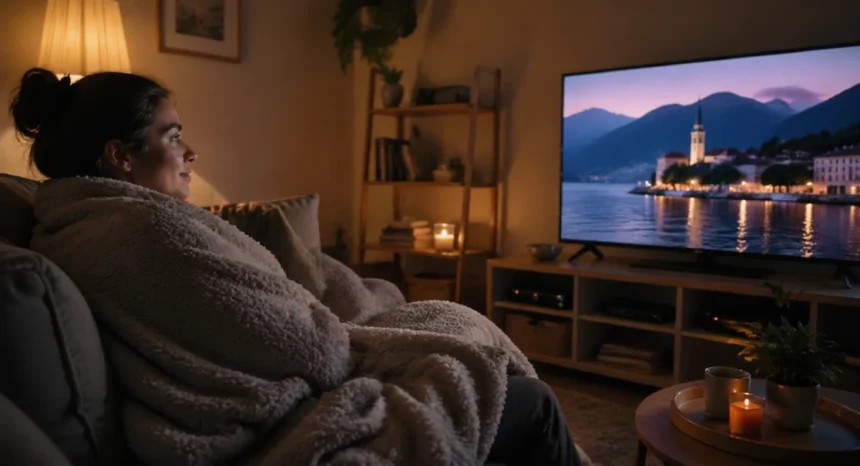
You finish a show — the credits roll. Instead of moving on to something new, you go straight back to episode one.
- What Makes a TV Show Rewatchable in the First Place?
- The Role of Writing — When Every Line Rewards a Second Listen
- Characters You Actually Miss Between Watches
- World-Building That Feels Bigger Than Any Single Viewing
- Humor That Lands Differently on Repeat Viewings
- Emotional Resonance — The Shows That Feel Like Comfort Viewing
- Pacing and Structure — How a Show Is Built to Hold Up Over Time
- What the Best Rewatchable Shows Have in Common
- Conclusion
It happens with certain shows more than others, and it is not random. The most rewatchable shows share specific qualities: layered writing, lived-in characters, rich worlds, and genuine emotional pull. Each one gives you a reason to come back that goes beyond not knowing what happens next.
Here is what those qualities are, why they work, and how to spot them before your next rewatch.
What Makes a TV Show Rewatchable in the First Place?
Rewatchability is not the same as quality. Plenty of genuinely great shows are hard to sit through a second time — not because they are bad, but because their power comes from not knowing what happens next.
A show like Squid Game lands its biggest punch on first viewing. Once you know the ending, the tension disappears. The mystery is resolved, and there is little left to pull you back.
Rewatchable shows work differently. They are built with multiple layers, so each viewing gives you something the last one did not. You notice a line of dialogue that now means something completely different. You catch a background detail that foreshadowed everything. You reconnect with a character you missed since the last time through.
The difference, at its core, is depth. Shows that reward rewatching were not designed to grab you once and let go. They were built to hold up. That depth comes from decisions made in the writing room, on set, and in the edit suite — and once you know what to look for, you start seeing it everywhere.
The Role of Writing — When Every Line Rewards a Second Listen
Sharp writing is the single biggest factor separating a forgettable series from one of the most rewatchable shows ever made. Not just plot — the construction of every scene, every exchange, every line of dialogue.
Shows like Breaking Bad and The Wire are studied as much as they are enjoyed because the writing operates on multiple levels at once. Surface-level, you are following a plot. Underneath, you are watching themes play out through character behavior, visual metaphor, and loaded language. The second time you watch, you are reading the subtext rather than just following the story.
Tightly plotted writing also means nothing feels accidental. When a detail comes back three seasons later, or when a character’s early behavior suddenly makes sense in light of what you know now, it creates a specific kind of satisfaction that only comes from rewatching. You feel like the show trusted you to pay attention, and it is paying you back.
Foreshadowing and Hidden Clues That Change the Story Backward
Better Call Saul is one of the best examples of a show that changes completely on a rewatch. Knowing where Jimmy McGill ends up reframes every choice he makes from the very first episode. Lines that seemed like throwaway character moments become heartbreaking predictions. Decisions you sympathized with the first time start to look like warning signs.
Lost built an entire audience culture around this kind of backward reading. Fans rewatched early episodes specifically to hunt for clues planted by the writers. Whether those clues paid off in the finale is a separate argument, but the hunt itself was part of the appeal.
Shows that use foreshadowing well do not just plant Easter eggs. They make the past feel inevitable once the future arrives. That is what turns a first watch into a reason to come back.
Dialogue That Hits Differently Once You Know What Happens
There is a scene in The Sopranos where Tony tells his therapist that he feels like he came in at the end of something. On a first watch, it is a revealing character detail. On a rewatch, after you know everything that follows, it lands like a quiet admission of defeat.
This kind of retroactive weight is one of the clearest markers of shows worth rewatching for their writing alone. The dialogue has not changed. You have. And the gap between those two things is exactly where great writing lives.
Writers who do this well understand that the audience will return. So they leave things behind for the second trip.
Characters You Actually Miss Between Watches

Plot gets you through a first watch. Characters bring you back.
When viewers miss a fictional person between viewings, that show has done something rare. It created a character who feels like they exist beyond the screen. You think about what they would say in a given situation. You remember a specific scene the way you remember a conversation with someone you know.
Fleabag does this better than almost any show of its era. The title character is messy, funny, unreliable, and completely real. Rewatching it feels less like reviewing a story and more like spending time with someone you care about, knowing this time how it all turns out.
Succession works the same way. The Roy family is deeply unpleasant, but you cannot stop watching them because they feel genuinely human beneath all the cruelty. Their contradictions are what make them compelling, and contradictions take more than one viewing to fully absorb.
Anti-Heroes and Morally Complex Characters Who Stay Interesting
Walter White from Breaking Bad is one of the most studied characters in television history, partly because your interpretation of him changes with every watch. The first time through, many viewers root for him longer than they should. The second time, the warning signs are visible from the start.
Logan Roy from Succession works the same way. Your sympathy shifts across rewatches. You see cruelty where you once saw vulnerability. You see moments of genuine pain you missed the first time. The character does not change, but your read of him does, and that is a sign of writing built to reward more than one viewing.
Morally complex characters have a longer shelf life because they cannot be fully understood in a single viewing. There is always more to unpack.
Ensemble Casts Where You Notice Someone New Each Time
Parks and Recreation has a large cast, and most people have a favorite character. What makes it deeply rewatchable is that your favorite tends to shift with each run. You might start watching for Leslie Knope. The second time, you notice how good Donna is in every background scene. The third time, you realize how quietly funny Jerry’s arc is.
The Office works this way, too. The show gives enough screen time to secondary characters that a rewatch can feel genuinely different depending on who you are paying attention to. An ensemble cast, done well, is essentially multiple shows running simultaneously inside one.
World-Building That Feels Bigger Than Any Single Viewing
Some shows create worlds so complete that you want to live in them. Not just visit — inhabit. That feeling is almost always the result of deliberate world-building that no single viewing can fully absorb.
Game of Thrones, in its early seasons, had this quality in abundance. The world had its own history, political geography, religion, and language. Characters referenced events that happened decades before the story began. Going back to season one after watching the full series meant reading everything differently, catching references you had not known to catch.
The visual and narrative density of a richly built world means each rewatch yields something new. You are not just re-experiencing a story. You are exploring a place.
Visual Detail and Production Design That Rewards Attention
Mad Men rewards the kind of attention most viewers do not give it on a first watch. The production design is so deliberate that background details carry meaning. A character’s office decor shifts slightly to reflect a change in their status. Costume choices encode emotional states that the dialogue does not mention.
True Detective Season 1 operates similarly. The landscape itself is a character. The framing choices in specific scenes are not accidental. Rewatching with that awareness turns it into a different experience from the procedural thriller many first-time viewers think they are watching.
When a show has this kind of craft behind it, rewatching is less about the plot and more about appreciating the craft.
Fictional Universes With Their Own Rules and History
Deadwood built a world so specific in its language, economy, and social hierarchy that many viewers found it hard to access on first watch. But for those who stuck with it, returning felt like going back to a place they knew well. The slang, the power dynamics, and the physical geography of the camp all had internal consistency that paid off on subsequent viewings.
The Expanse did something similar with science. Its physics and political systems were so carefully constructed that early episodes contain layers of geopolitical foreshadowing only visible once the full story plays out. Shows like these reward the kind of viewer who wants to understand a world, not just pass through it.
Humor That Lands Differently on Repeat Viewings
Comedy has its own version of rewatchability, and it works through completely different mechanisms than drama. The joke is not the surprise. The delivery, the context, and the character history behind it become funnier the more you know.
Arrested Development became a cult show because it was built to be rewatched. The joke density was so high that many viewers found themselves laughing at things on a third watch that they had missed entirely twice before. The show almost expected this. It was structured for an audience paying close attention across multiple viewings.
It’s Always Sunny in Philadelphia has a similar quality. The humor depends heavily on knowing these characters well. The funniest moments are often callbacks to established behavior, and they hit harder once you have years of context built up.
Background Gags and Throwaway Lines You Miss the First Time
Arrested Development is the gold standard here. The show regularly hid jokes in background props, signs, and visual details that had nothing to do with the main scene. A first-time viewer focused on dialogue would miss them entirely.
The reward for catching these details later is a kind of delight that passive viewing cannot produce. It makes the viewer feel like an active participant, like the show is talking directly to them. That relationship between the show and its most attentive audience is one reason some comedies age so well.
Callback Humor and Running Gags That Build Over a Full Series
Community built some of its best jokes over multiple seasons. A reference in season four landed harder if you remembered a throwaway line from season one. The show actively rewarded long-term viewing, and that same quality makes rewatching the full series more satisfying than watching episodes in isolation.
Brooklyn Nine-Nine used running gags with a similar effect. The humor around characters like Scully and Hitchcock became funnier with every layer added. A callback only works if the audience remembers the original, and rewatching a full series means the callback lands with the full weight of everything you have already seen.
Emotional Resonance — The Shows That Feel Like Comfort Viewing

Not every rewatch is about analysis. Sometimes you go back to a show because it feels like home.
Comfort viewing is a real and well-documented behavior, and it accounts for a significant portion of rewatch traffic on streaming platforms. Friends, Gilmore Girls, Schitt’s Creek, and similar shows are rewatched not because they are full of hidden clues but because spending time with them feels good.
These shows get rewatched for emotional rather than intellectual reasons. They reduce stress, provide familiarity, and connect viewers to a specific feeling — often one tied to when they first watched the show, or who they watched it with. That connection does not fade with knowledge of the plot. If anything, it deepens over time.
Why Familiar Stories Feel Safe and Satisfying
There is real psychology behind this. Research shows that people feel stress when they cannot predict what happens next. Knowing how a story ends removes that uncertainty entirely, which is why rewatching a beloved show can feel relaxing in a way a new show cannot.
The tension is gone. What remains is enjoyment of the craft, the characters, and the emotional beats you know are coming. Some viewers describe it as reading a favorite book for the third time. The pleasure is in the familiarity, not the surprise.
This is why comfort shows tend to have warm ensemble casts, consistent tones, and emotional resolution. They are designed to feel good, and they keep delivering because that feeling was never dependent on mystery.
Seasonal and Situational Viewing — When the Same Show Fits Every Mood
Gilmore Girls is a fall show for many viewers. Schitt’s Creek is what some people put on when they are ill. The Great British Bake Off belongs to Sunday mornings. These associations are personal, but they are also widespread enough to be a recognizable pattern.
The most rewatchable comfort shows hold up across different viewing conditions. They work when you are paying full attention and when you have the show on in the background while doing something else. They work alone and with other people. They do not demand a specific mood. Instead, they meet you wherever you are, and that quality significantly extends a show’s rewatch life.
Pacing and Structure — How a Show Is Built to Hold Up Over Time
Even the best writing and strongest characters cannot save a show with poor pacing. On a rewatch, structural weaknesses become harder to ignore — the plot tension that once carried you through them is gone.
If a first-time viewer speeds past a slow episode because they need to know what happens next, a rewatcher has no such motivation. Filler episodes that felt tolerable in weekly release become obvious obstacles on a rewatch. Long seasons built around network quotas rather than story logic tend to collapse under their own weight the second time through.
The most rewatchable shows are structurally tight. Every episode earns its place.
The Difference Between Tight Story Arcs and Filler Episodes
The Bear is a good example of a show where every episode feels necessary. Nothing is there to fill time. Even the quieter character episodes are doing structural work, building toward something the viewer will understand later. Rewatching reveals how carefully the season is constructed.
Compare that to a network procedural stretched to 22 episodes a season. Even fans of those shows tend to skip episodes on rewatches, fast-forwarding through standalone cases to get back to the serialized arc. That skipping behavior is a clear signal that the show does not fully hold up as a complete experience.
Short Seasons vs. Long Runs — Which Format Ages Better?
Chernobyl is five episodes. Severance runs ten. The Bear’s first season is eight. These are not coincidences. Short, purposeful seasons give writers the discipline to cut anything that does not serve the story, which means there is almost nothing to skip on a rewatch.
Long-running shows can maintain this quality, but it requires exceptional creative control. The Sopranos managed it across six seasons because David Chase refused to let the network pad the episode count. Breaking Bad similarly ended before it could exhaust itself. Both remain among the most rewatchable dramas ever made, and their tight structure is part of why.
Format alone does not determine rewatchability, but it shapes the conditions for it.
What the Best Rewatchable Shows Have in Common
Across all of these factors, a clear pattern emerges. The shows that hold up across multiple viewings are not just good shows. They are built with a specific kind of care, where every layer was placed there by people who understood that the audience might come back.
Here is what those shows consistently share:
Layered writing that operates on more than one level at once, with dialogue and plot details that carry different weights depending on what you already know.
Complex characters whose behavior cannot be fully read in a single viewing. The most rewatchable characters tend to be contradictory, morally ambiguous, and written with enough internal consistency that their choices make more sense on a second viewing than a first.
Rich, detailed worlds where the production design and visual storytelling carry meaning beyond decoration. These shows reward attention to things most viewers do not consciously notice.
Structural discipline that keeps every episode purposeful. Tight pacing means there is nothing to skip, which means rewatching the whole thing feels worthwhile rather than like a chore.
Emotional familiarity that makes returning feel comfortable rather than repetitive. The best comfort shows make you feel something reliably, which is its own kind of craft.
A show does not need all five of these to be worth rewatching. But the ones most people call all-time favorites tend to have at least three, and often all five.
Conclusion
The best rewatchable TV shows earn that status honestly. They are built with enough depth that a single viewing cannot fully exhaust them, and with enough emotional pull that returning feels worthwhile even when the plot holds no surprises.
Whether a show draws you back through sharp writing, characters you genuinely care about, a world you want to spend more time in, or simply the reliable comfort of something familiar, the quality underneath is the same: it was made with the second watch in mind.
Next time you find yourself going back to a show you have already seen, it is worth asking why. The answer usually tells you something about what the writers got right. And if you are looking for new shows that might earn a spot in your own rotation, check out our guide to the most binge-worthy TV shows on Netflix right now.