


You want to travel. You just do not want to come home broke.
- What Makes a Country Truly Cheap for First-Time Travelers?
- Southeast Asia — The Most Affordable Region for Budget Beginners
- South Asia — Exceptional Value for Travelers Willing to Adjust
- Eastern Europe — Cheap Countries to Visit That Feel Familiar to Western Travelers
- Latin America — Budget Travel Spots That Suit All Styles of Traveler
- Africa and the Middle East — Affordable Options Often Overlooked by Beginners
- Quick-Reference Budget Table — Cheapest Countries to Visit for Beginners 2026
- How to Keep Costs Low No Matter Which Country You Choose
- Conclusion
If you are planning your first big trip and figuring out where your money goes furthest, you are in the right place. This guide covers the cheapest countries to visit for beginners in 2026, with real daily budget estimates, costs for food and accommodation, and notes on what makes a country easy to navigate on your first trip.
No vague promises. No “it depends.” Just real numbers and clear recommendations, region by region.
What Makes a Country Truly Cheap for First-Time Travelers?
“Cheap” means different things depending on how you travel. Before looking at any specific country, it helps to understand what drives your daily spend.
Four cost pillars determine how much you spend each day:
- Accommodation — hostels, guesthouses, budget hotels
- Food — street food, market meals, sit-down restaurants
- Transport — local buses, taxis, trains, internal flights
- Activities — entry fees, tours, experiences
A country can look cheap on paper but hide real costs in the details. Tourist taxes are tacked onto accommodation in Bali and parts of Morocco. Tipping culture in Jordan and some parts of Latin America adds 10–15% to meals. Visa fees in certain countries hit you before you even land.
For this guide, the daily budget benchmarks work like this:
- Ultra-budget: Under $30/day (food, bed, transport, one activity)
- Comfortable budget: $30–$60/day
- Mid-range: $60–$100/day
Every country below is evaluated against these benchmarks, so you can compare accurately.
Daily Budget vs. Total Trip Cost — Why Both Numbers Matter
Here is something many first-timers miss: a cheap daily budget does not always mean a cheap trip.
Vietnam costs around $25/day on the ground. A return flight from the UK runs roughly $700. A two-week trip comes to about $1,050 total. Portugal costs around $60/day, but a return flight from the UK is closer to $200. Same two-week trip: $1,040 total. Nearly identical.
Always calculate ground spend plus flights together before deciding where to go. A country that looks expensive per day might be the smarter financial choice once you account for how close it is to where you live.
Safety, English-Friendliness, and Ease of Travel
Cost alone does not make a destination beginner-friendly. Three practical filters shape every country on this list:
English accessibility: At a minimum, signs in tourist areas should use English, and locals in guesthouses and transport hubs should be able to communicate basic information.
Reliable transport: Whether it is a decent bus network, cheap ride-hailing apps, or affordable taxis, getting around without stress matters on a first trip.
Straightforward visa process: Visa-on-arrival or visa-free entry for most passport holders removes a major barrier for new travelers. Countries requiring complex pre-approval processes are not on this list.
Every destination below passes all three filters.
Southeast Asia — The Most Affordable Region for Budget Beginners
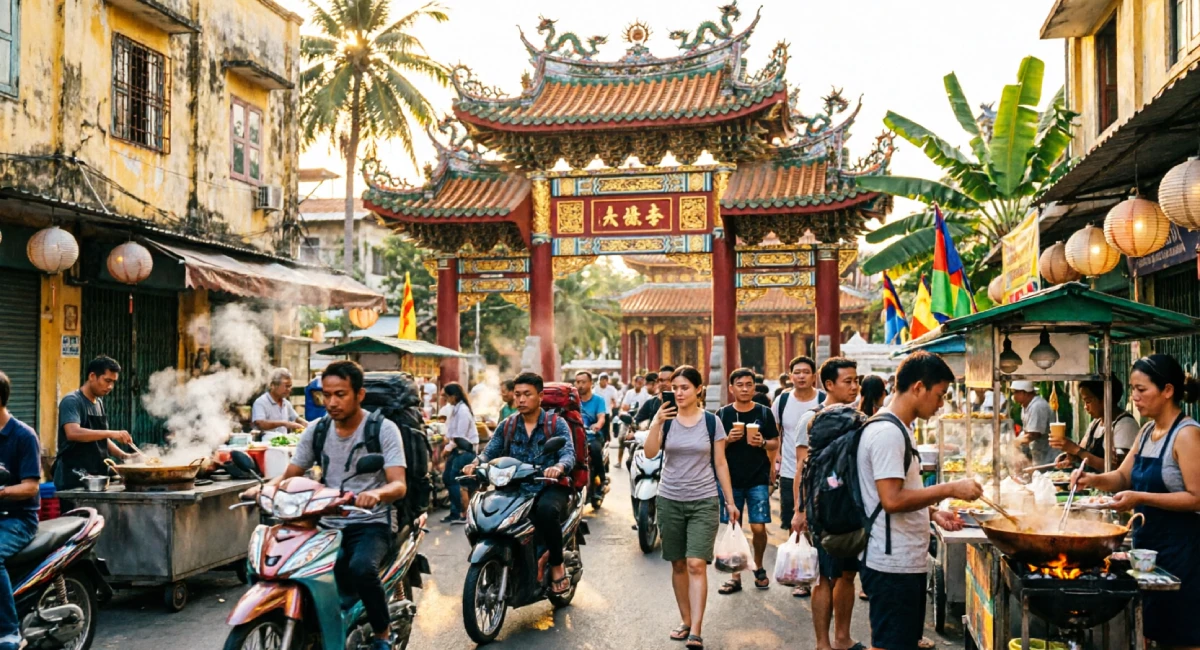
Southeast Asia remains the global benchmark for budget travel in 2026. Favorable exchange rates, an enormous network of hostels and guesthouses at every price point, street food that costs less than a cup of coffee back home, and well-traveled backpacker routes all combine to make this region as close to beginner-proof as travel gets.
Vietnam — Under $30/Day With a High Quality of Life
Estimated daily budget: $20–$28
Vietnam gives you more travel for less money than almost anywhere else. A bowl of pho costs $1–$2. A dorm bed in a decent hostel runs $6–$10. A motorbike taxi across town is $1–$3 using Grab (the regional equivalent of Uber).
The three most beginner-friendly cities are Hanoi in the north, Hoi An in the center, and Ho Chi Minh City in the south. All three have strong tourist infrastructure, English-speaking guesthouse staff, and clear signage.
One practical tip that saves real money: book sleeper buses between cities instead of domestic flights. A sleeper bus from Hanoi to Hoi An costs around $18–$25 and doubles as overnight accommodation. The same route by air, once you add baggage and transfers, costs $50–$80.
Vietnam offers a 45-day e-visa for most nationalities, available online before departure. The process takes roughly three business days and costs around $25.
Thailand — Slightly Higher Budget, Vastly More Infrastructure
Estimated daily budget: $35–$55
Thailand costs more than Vietnam, and the reasons show in the infrastructure. Tourism services are more developed, hostel standards are generally higher, and the islands drive prices up significantly. A night in Koh Samui or Phuket easily costs two to three times what you pay in Chiang Mai for a comparable room.
The more budget-friendly areas are Bangkok and Chiang Mai. In Bangkok, street pad thai runs $1–$2, a private room in a clean guesthouse costs $15–$25, and the BTS Skytrain covers most tourist zones efficiently. Chiang Mai is even cheaper for food and accommodation.
Getting between cities is straightforward. AirAsia and Nok Air both offer domestic routes for $20–$40 when booked two to three weeks ahead. The overnight train from Bangkok to Chiang Mai costs $15–$30 and is worth doing for the ride alone.
Thailand requires no advance visa for most passport holders, with a 30-day visa exemption on arrival that can be extended once at an immigration office.
Cambodia — One of the Cheapest Countries for Independent Beginners
Estimated daily budget: $20–$35
Cambodia is cheap and manageable for someone traveling solo for the first time. The tourist trail is clear, guesthouses are plentiful, and most locals in tourist areas speak enough English to get you where you need to go.
Siem Reap is the main draw, mainly for Angkor Wat, one of the world’s most visited archaeological sites. Budget accommodation here runs $8–$15/night for a private room and $5–$8 for a dorm. A full sit-down local meal at a market stall costs $1–$3.
Phnom Penh, the capital, offers a more urban experience at the same low price point. Both cities are covered by tuk-tuks and Grab.
Kampot, in the south, suits travelers who want a slower pace. It is a small riverside town that costs even less than the main cities and attracts people who want to stay longer and spend less.
The 30-day tourist e-visa is available online before arrival, costs around $30, and takes roughly three business days to process.
South Asia — Exceptional Value for Travelers Willing to Adjust
South Asia offers the lowest cost per day of any region on this list. The trade-off is that it asks more of the traveler. Sensory intensity is high, transport quality varies widely, and accommodation standards range from excellent to rough within the same price bracket.
First-timers who go in with realistic expectations and a flexible attitude tend to find South Asia deeply rewarding. Those who expect the same polish as Southeast Asia at the same price point often find it frustrating.
India — As Low as $15–$25/Day in Most Regions
Estimated daily budget: $20–$30 (northern circuit)
India’s cost depends almost entirely on where you go and how you travel. The northern Golden Triangle circuit connecting Delhi, Agra, and Jaipur is the most popular beginner route, and it averages $20–$30/day on a tight budget.
A guesthouse private room runs $8–$15 in most tourist towns. A full thali meal at a local restaurant costs $1–$2. The Indian Railways network connects every major city and offers a range of classes: sleeper class tickets can cost as little as $3–$8 for journeys of several hours.
What sets India apart from everywhere else on this list is how much it rewards patience. Schedules run late, plans change, and adaptability matters more here than anywhere else. Travelers who accept that come back with the best stories.
Most passport holders can obtain an Indian e-visa online in advance, valid for 30 or 90 days, depending on the tier chosen.
Nepal — Trekking on a Budget Without Sacrificing the Experience
Estimated daily budget: $25–$40 (city-based); $15–$25/day on trail
Nepal is one of the few places in the world where a multi-day trek costs less than staying in a city. Tea house trekking on the Annapurna Circuit provides accommodation and meals at each stop for $15–$25/day all-in. The tea houses are basic but warm, and the trail is well-marked enough for beginners with moderate fitness.
Kathmandu and Pokhara are the two main base cities. Both have strong guesthouse infrastructure in the tourist districts, with private rooms at $10–$18/night. Street meals cost $2–$4.
The visa-on-arrival process at Tribhuvan International Airport in Kathmandu is straightforward: fill in a form, pay $30 for 15 days or $50 for 30 days, and you are through. Most travelers are processed within 30–45 minutes, even when queues are long.
Eastern Europe — Cheap Countries to Visit That Feel Familiar to Western Travelers
Eastern Europe is the top pick for budget travelers from the USA, UK, Canada, and Australia who want low prices without a significant cultural leap. Language barriers are minimal in tourist areas, food is familiar enough to be approachable, and most of the region uses a straightforward bus and train network.
EU membership has pushed prices up in countries like the Czech Republic and Poland over the past decade. The more affordable options sit in the non-EU or recently joined Balkans, where the cost of living remains substantially lower.
Albania — The Most Underrated Budget Destination in Europe in 2026
Estimated daily budget: $30–$45
Albania remains cheap for a reason that will not last forever: it is not yet on most travelers’ radar. Non-EU status keeps the currency (the lek) favorable, local wages remain low, and mass tourism has only taken hold in a few coastal spots.
Tirana, the capital, is a walkable, energetic city with a good food scene. A full sit-down meal at a local restaurant costs $4–$5. Guesthouses and small hotels run $15–$25/night for a private room.
The Albanian Riviera along the southern coast offers some of the clearest water in the Mediterranean at prices that Croatia and Greece cannot come close to matching. A beach guesthouse here costs $20–$35/night in peak summer, compared to $80–$150 in comparable Greek or Croatian spots.
Albania is visa-free for passport holders from the USA, UK, EU, Canada, and Australia for stays up to 90 days. No advance paperwork required.
Georgia — $35–$55/Day in a Country That Consistently Overdelivers
Estimated daily budget: $35–$55
Georgia sits at the intersection of Europe and the Caucasus and consistently surprises first-time visitors. The food is excellent, the wine is cheap (and genuinely good), and the country has become a hub for digital nomads, which means the infrastructure for budget long-term stays is strong.
Tbilisi, the capital, has a walkable old town, cable cars, and rooftop bars where a glass of local wine costs under $2. A khinkali (Georgian dumpling) costs around $0.30–$0.50 each. Guesthouses in the tourist center run $15–$25/night.
Kutaisi, the second city, costs even less and serves as a base for exploring the surrounding mountains and cave towns.
Most nationalities can enter Georgia without a visa and stay for up to one year. That policy alone makes it one of the most accessible countries on this list for extended budget stays.
North Macedonia and Bosnia — Two Small Countries With Big Budget Appeal
Estimated daily budget: $25–$40 (North Macedonia); $30–$45 (Bosnia)
These two countries rarely appear on first-timer lists, which is exactly why they deserve attention.
North Macedonia’s main draw is Ohrid, a lakeside town with a UNESCO-listed old city, Byzantine churches, and clear blue water. Accommodation runs $20–$30/night. Meals at local restaurants cost $3–$5. The overall daily cost sits comfortably at $25–$40.
Bosnia offers one of the most historically layered experiences in Europe at one of the lowest price points. Sarajevo carries Ottoman, Austro-Hungarian, and Yugoslav architecture in a single walkable area. Mostar’s rebuilt bridge is one of the most photographed spots in the Balkans. A guesthouse in either city costs $15–$25/night. A full grilled meat meal with bread and a drink runs $5–$7.
Both countries are visa-free for most passport holders and sit close enough together that many travelers visit both in a single Balkans loop.
Latin America — Budget Travel Spots That Suit All Styles of Traveler
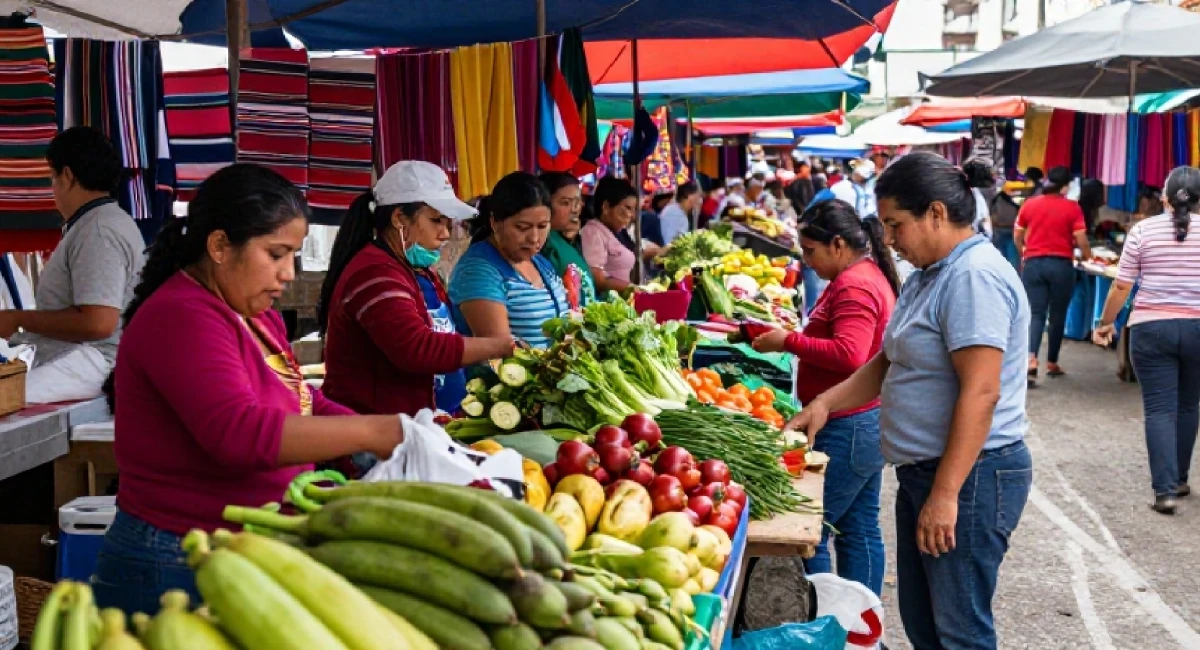
Latin America is an excellent choice for North American first-timers, primarily because flight times are manageable and there is no jet lag to factor in. For UK and Australian travelers, budget long-haul carriers have made connections to Colombia and Peru more accessible than they were five years ago.
Costs across the region vary considerably. Argentina has been through extreme inflation cycles that make budgeting difficult. Brazil’s major cities sit at a mid-range price point. The best affordable countries for beginners in 2026 are Colombia and Bolivia, both of which offer stable pricing and strong traveler infrastructure.
Colombia — $30–$50/Day in One of South America’s Most Accessible Countries
Estimated daily budget: $30–$50
Colombia’s international reputation has shifted, and its traveler infrastructure reflects that. Hostels in Medellín and Bogotá are among the best value in South America, with dorms at $10–$15 and private rooms at $18–$30.
The standard beginner circuit runs Bogotá (culture, food, nightlife) to Medellín (urban innovation, day trips) to Cartagena (Caribbean coast, colonial architecture). A domestic flight from Medellín to Cartagena booked two to three weeks ahead runs under $30 on Avianca or Wingo.
Set lunch menus, called “menú del día,” cost $2–$4 at local spots and include soup, a main, a drink, and sometimes dessert. It is one of the best-value meals in South America.
Safety has improved across all three cities, though the usual big-city awareness applies. Most passport holders enter Colombia without a visa for stays of up to 90 days.
Bolivia — The Cheapest Country in South America by Daily Cost
Estimated daily budget: $20–$35
Bolivia is in a category of its own when it comes to price. Market meals cost $1–$2. Guesthouses run $8–$12/night in most cities. A shared minibus between major towns costs a few dollars. It is one of the few countries where a full day of food, a bed, and an activity comes in under $30 without much effort.
The core beginner route hits three stops: La Paz (the world’s highest administrative capital), Sucre (colonial architecture, white-washed city center), and the Salar de Uyuni (the world’s largest salt flat). The Salar day tour runs $20–$35, depending on whether you book a shared or private vehicle.
One practical consideration for new travelers: altitude. La Paz sits at over 3,600 meters above sea level. Most people feel some effect in the first day or two — light headaches, shortness of breath, fatigue. The fix is simple: arrive a day early, hydrate, avoid alcohol, and take it slow. Most travelers adjust within 48 hours.
Most nationalities enter Bolivia visa-free for 30 days with the option to extend.
Africa and the Middle East — Affordable Options Often Overlooked by Beginners
Many first-time travelers write off Africa and the Middle East entirely, assuming both regions are either expensive or complex to navigate. That assumption is wrong for at least two countries: Morocco and Jordan.
Both have well-developed tourist infrastructure, English is spoken widely in hotels and medinas, and clear transport links connect major attractions. Neither requires anything more than a standard tourist visa or a visa-free arrival.
Morocco — $35–$55/Day With an Immersive Experience From Day One
Estimated daily budget: $35–$55
Morocco is one of the most instantly immersive destinations on this list. Step out of the airport in Marrakech and within twenty minutes you are navigating a medina full of spice markets, street food, and 12th-century architecture.
The beginner-friendly circuit runs Marrakech (main medina, Djemaa el-Fna square), Fes (one of the world’s oldest medieval cities), and Essaouira (a relaxed Atlantic coastal town with Portuguese and Berber influences).
Accommodation in riads, the traditional courtyard guesthouses, runs $15–$30/night for a private room and is one of the highlights of visiting Morocco. A tagine meal at a local restaurant costs $3–$6. The national train network connects Marrakech, Casablanca, Fes, and Tangier reliably and cheaply, with intercity tickets costing $5–$15.
Haggling is part of the culture in the souks, but most shops that cater to tourists also have fixed prices displayed. You are never obligated to negotiate.
Most passport holders, including those from the USA, UK, EU, Canada, and Australia, enter Morocco visa-free for 90 days.
Jordan — Slightly Higher Budget, But Exceptional Value for What You Get
Estimated daily budget: $45–$65
Jordan costs more than Morocco daily, but what you get per dollar spent is exceptional with the right planning.
The three sites that anchor most beginner itineraries are Petra (the ancient Nabataean city carved into rose-red cliffs), Wadi Rum (a desert landscape used as a Mars stand-in in multiple films), and Aqaba (Jordan’s only coastal city, on the Red Sea).
The single most important purchase for most visitors is the Jordan Pass. It combines the visa fee, entry to Petra across multiple days, and access to over 40 additional sites into one purchase that costs around $70–$100, depending on the tier. For anyone staying three or more nights, it pays for itself quickly.
English is spoken widely at hotels, guesthouses, and major tourist sites. The country has a strong safety record and consistent traveler infrastructure. For first-timers who want to experience the Middle East without a steep learning curve, Jordan is the most straightforward entry point on the list.
Quick-Reference Budget Table — Cheapest Countries to Visit for Beginners 2026
Use this table to compare every country by region, budget level, and visa ease at a glance.
| Country | Region | Est. Daily Budget (USD) | Visa Ease | English-Friendliness | Best For |
|---|---|---|---|---|---|
| Vietnam | Southeast Asia | $20–$28 | E-visa (easy) | Moderate | Ultra-budget beginners |
| Thailand | Southeast Asia | $35–$55 | Visa-free | High | First trip, all budgets |
| Cambodia | Southeast Asia | $20–$35 | E-visa (easy) | Moderate | Independent explorers |
| India | South Asia | $15–$30 | E-visa (easy) | Moderate | Patient, flexible travelers |
| Nepal | South Asia | $25–$40 | Visa on arrival | Moderate | Adventure on a budget |
| Albania | Eastern Europe | $30–$45 | Visa-free | Basic–Moderate | European beach alternative |
| Georgia | Eastern Europe | $35–$55 | Visa-free (1 yr) | Moderate | Comfort at low cost |
| North Macedonia | Eastern Europe | $25–$40 | Visa-free | Basic | Balkans off-radar |
| Bosnia | Eastern Europe | $30–$45 | Visa-free | Basic | History + culture |
| Colombia | Latin America | $30–$50 | Visa-free | Basic–Moderate | North American travelers |
| Bolivia | Latin America | $20–$35 | Visa-free | Basic | Lowest cost in S. America |
| Morocco | Africa | $35–$55 | Visa-free | Moderate | Immersive first trip |
| Jordan | Middle East | $45–$65 | Jordan Pass | High | Easy Middle East intro |
How to Keep Costs Low No Matter Which Country You Choose
The destination matters, but your habits on the ground matter just as much. These principles apply whether you are in Hanoi or Tbilisi, Cartagena or Marrakech.
Experienced budget travelers do not spend less by staying in uncomfortable places or skipping good experiences. They spend less by making consistently smarter choices on the three highest daily costs: where to sleep, what to eat, and how to move.
Accommodation Choices That Cut Costs Without Cutting Comfort
The difference between a $6 dorm bed and a $15 private room matters most in your first few days, when you are still adjusting and want some privacy. After a week on the road, most solo travelers find the social benefits of dorms outweigh the cost savings of a private room.
A few price anchors from countries on this list:
- Dorm bed in Hanoi or Siem Reap: $6–$10
- Private room in a Tbilisi guesthouse: $18–$25
- Riad private room in Fes: $20–$28
One counterintuitive tip: in Southeast Asia and the Balkans, booking two to three nights in advance rather than weeks ahead often gets you better rates. Guesthouses frequently offer walk-in discounts to fill empty rooms, especially outside peak months. Booking too far ahead removes your ability to negotiate.
Food Strategy — Eat Where the Locals Eat
The fastest way to double your daily food spend is to eat at tourist restaurants. The fastest way to halve it is to eat where locals eat.
The contrast is clear in real numbers:
- A tourist-facing restaurant tagine in Marrakech: $10–$15. A market stall tagine two streets back: $3–$4.
- A pad thai on Khao San Road in Bangkok: $4–$6. The same dish from a cart in a local neighborhood: $1–$1.50.
- A sit-down lunch in a Bogotá tourist zone: $8–$12. A menú del día at a local canteen: $2–$4.
One practical note on food safety: wash hands before eating and choose stalls with high turnover. A busy stall means fresh food. An empty one means food sitting out. That rule applies across all regions.
Transport Decisions That Make or Break a Daily Budget
Four transport habits that consistently cut costs:
Take overnight buses or trains when the journey is six or more hours. You save on both transport and accommodation in a single booking. The Hanoi to Hoi An sleeper bus, the La Paz to Sucre night bus, and the Tbilisi to Batumi overnight train all fall into this category.
Book domestic flights two to three weeks ahead in Southeast Asia and Latin America. AirAsia, Nok Air, Wingo, and Avianca all run sales during this window. Booking the day before almost always costs significantly more.
Use Grab or InDrive in Asia and Latin America instead of flagging taxis. Fixed prices, no negotiation, and a clear record of your route. It also consistently undercuts metered cabs.
Walk whenever a journey is under 25 minutes. In most cities on this list, the interesting areas are compact. Walking saves money and shows you things you would miss from a taxi window.
Conclusion
The cheapest countries to visit for beginners in 2026 are not clustered in one region. They are spread across Southeast Asia, South Asia, Eastern Europe, Latin America, Africa, and the Middle East. The best choice for you depends on three things: where you are flying from, how much cultural adjustment you are comfortable with, and what your total trip budget looks like — not just your daily spend.
Vietnam and Cambodia remain the easiest entry points for ultra-budget travel. Albania and Georgia give European travelers affordability without long-haul flights. Colombia and Bolivia are the standout picks in Latin America. Morocco and Jordan both deliver experiences at prices that qualify as genuinely affordable.
Pick the region that makes logistical sense for your home airport, use the budget table to narrow your shortlist, then read deeper on the two or three countries that match your numbers.
If you are thinking specifically about Europe and want to understand what a full two-week trip actually costs — accommodation, transport, food, and activities broken down day by day — read the full guide: How Much Does a 2-Week Budget Trip to Europe Really Cost?
Traveling for the first time does not require a big budget. It requires picking the right destination for the budget you have and knowing every cost before you book the flight.