

Most first-time travellers assume international travel is only for people with big savings accounts. It is not. The cheapest way to plan an international trip comes down to making the right decisions in the right order.
- Why Planning Is the Biggest Money-Saver in International Travel
- Step 1 — Choose a Destination That Fits a Tight Budget
- Step 2 — Set a Realistic Travel Budget Using a Simple Formula
- Step 3 — Find the Cheapest Flights Without Wasting Hours Searching
- Step 4 — Book Affordable Accommodation the Smart Way
- Step 5 — Handle Visas, Travel Insurance, and Entry Requirements Without Overpaying
- Step 6 — Plan Your Daily Spending Before You Land
- Step 7 — Use Free and Low-Cost Tools to Build Your Full Itinerary
- Common Budget Planning Mistakes for First-Time Travellers
- Conclusion
This guide walks you through every step, from choosing a destination to building your daily budget, using free tools and strategies that hold up in practice. Follow each step from your first search to your boarding gate.
If you have ever looked at flight prices and closed the tab, this guide is for you.
Why Planning Is the Biggest Money-Saver in International Travel
The biggest factor in how much your trip costs is not where you go. It is how far ahead you start planning.
Consider two travellers heading to the same city for the same week. Traveller A books flights three months out, reserves a hostel six weeks ahead, and researches free activities in advance. Traveller B decides two weeks before departure. Last-minute international flights cost 20 to 40 per cent more than fares booked 6 to 12 weeks ahead. Add rushed accommodation choices, no time to compare insurance, and zero research on free local options, and Traveller B easily spends $400 to $700 more for an identical experience.
Early planning gives you access to the best prices, not the leftovers. It also removes the pressure of making expensive decisions quickly, which is when most budget mistakes happen.
The steps below are designed to be followed in order. Each one builds on the last. Skipping ahead, especially when it comes to destination choice and budgeting, tends to create problems you will have to fix later at a higher cost.
Step 1 — Choose a Destination That Fits a Tight Budget
Your destination choice shapes the largest share of your total trip cost before you book a single thing. Flight distance, local currency strength, daily living costs, and visa fees all vary dramatically between countries.
A strong starting point is to focus on regions where your home currency goes further. For travellers from the US, UK, Canada, or Australia, countries in Southeast Asia, Eastern Europe, and Central America consistently offer excellent value. Daily costs in Vietnam, Portugal, or Guatemala can run three to five times lower than equivalent trips to Western Europe or Japan.
Two free tools help you compare destinations quickly. Google Flights Explore lets you enter your home airport and see a world map of flight prices, so you can spot affordable routes before committing to a destination. Numbeo gives you crowd-sourced cost data by city, broken down into meals, transport, accommodation, and more.
The decision process should look like this: check what flights cost from your home airport, then check daily living costs at the destination, then confirm visa requirements. Do all three before committing to anything.
How to Compare Destination Costs Before You Commit
Three tools cover most of what you need at this stage.
Numbeo is the most useful. Search any city, and you get average meal prices, monthly rent, grocery costs, and local transport fares, all based on real user data.
Budget Your Trip gives you a daily cost estimate per country based on actual traveller reports, separated by budget, mid-range, and higher-end travel styles.
TripAdvisor forums are underrated. Search “[destination] + budget travel” and read threads from the past 12 months. Real travellers share current prices, scam warnings, and money-saving tips that no website updates fast enough to capture.
Here is a quick comparison for travellers with common Western passports:
| Destination | Avg. Daily Cost (Budget) | Visa Ease |
|---|---|---|
| Vietnam | $25 to $40 | E-visa available, straightforward |
| Portugal | $55 to $75 | No visa (90 days, Schengen) |
| Mexico | $35 to $55 | No visa required |
| Thailand | $30 to $50 | Visa on arrival (most passports) |
| Colombia | $30 to $50 | No visa required |
These figures cover a dorm or budget guesthouse, local meals, and basic transport. Adjust upward for private rooms in city-centre locations.
Step 2 — Set a Realistic Travel Budget Using a Simple Formula
Most first-time travellers skip this step and go straight to booking flights. That is how people end up underfunded halfway through a trip or overspending before they even land.
A simple formula covers everything:
(Flights + Accommodation + Daily Spending x Trip Length) + 15% buffer = Total Trip Budget
Here is how to estimate each part before you book anything. Use Google Flights to get a realistic flight estimate, not the cheapest fare you once found at midnight. Use Numbeo or Budget Your Trip for accommodation and daily cost estimates. Multiply your daily estimate by your actual trip length, not a wishful version of it.
The 15 per cent buffer is not optional. It covers airport transfers, checked baggage fees, a meal that costs more than expected, a day trip you did not plan for, or a pharmacy run when you get a cold. Every traveller who skips the buffer ends up needing it.
If you want a real-world cost breakdown to calibrate your estimates, the guide on how much a two-week budget trip to Europe really costs gives you detailed numbers across multiple European cities.
Free Budgeting Tools That Keep Your Spending on Track
Once you have a budget set, you need a way to track it on the road.
Trail Wallet is a simple iOS app designed for travel budgeting. You set a daily limit, log each expense, and it shows you whether you are on track or overspending.
TravelSpend works on iOS and Android and lets you log costs in any currency, converting automatically. It is useful for tracking where your money actually goes.
Google Sheets works well if you prefer to plan in detail before you leave. Build one tab for pre-trip costs (flights, insurance, visas) and one for daily spending. Free travel budget templates are available by searching “travel budget Google Sheets template.”
Step 3 — Find the Cheapest Flights Without Wasting Hours Searching
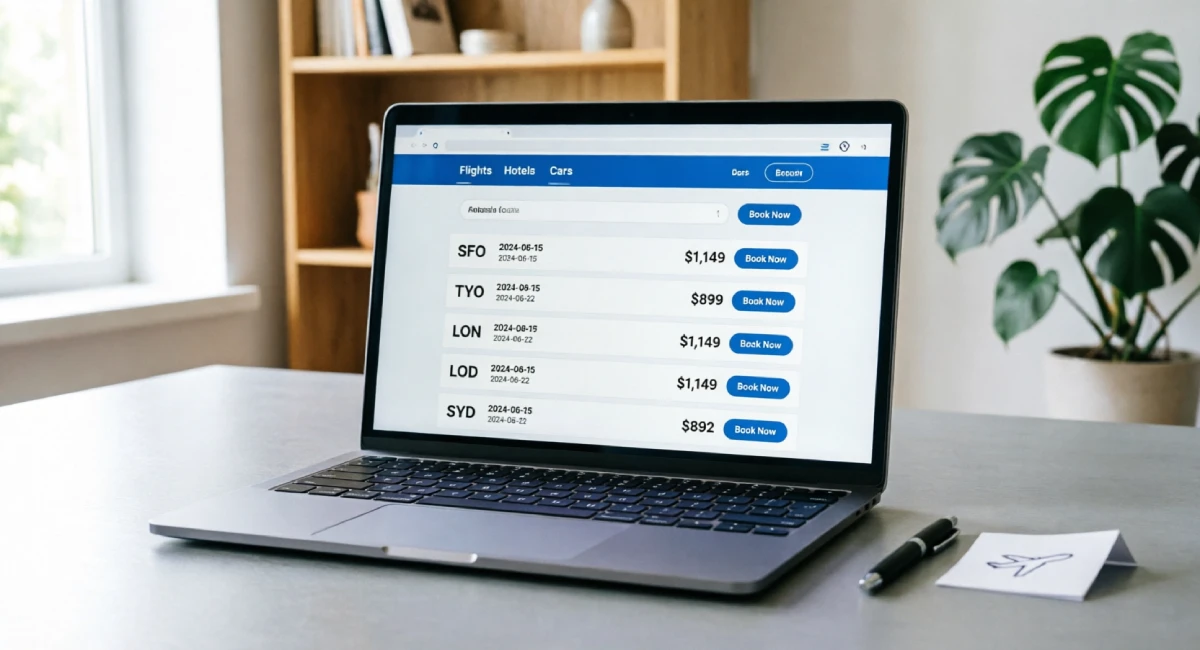
Flights are usually the highest single cost in any international trip, so this step is worth real time and attention.
The most reliable method is using Google Flights with the price calendar view. Instead of entering fixed dates, switch to calendar mode and look at a full month of fares. A difference of two to three days on either side of your target date can save $100 to $200 on a long-haul flight.
Set fare alerts as early as possible. Both Hopper and Kayak let you track a specific route and notify you when prices drop. Hopper also predicts whether a fare is likely to rise or fall, which helps you decide whether to book now or wait.
Two habits cut flight costs consistently: flying mid-week (Tuesday and Wednesday tend to be cheaper than Friday and Sunday) and checking nearby airports. Flying into a secondary airport 60 to 90 minutes from your destination is often significantly cheaper than flying direct into a major hub.
One concept worth knowing is “hidden city ticketing,” where you book a connecting flight and exit at the layover city, skipping the final leg. Fares structured this way are sometimes cheaper. However, airlines can penalise this practice by cancelling return legs or frequent flyer points. Understand the risks before using it.
The Best Time to Book International Flights
Timing matters more than most travellers realise. Research consistently points to a booking window of roughly six to twelve weeks ahead for international routes as the period where prices are most competitive, though this varies by destination and season.
Shoulder season travel, the weeks just before or just after a destination’s peak tourist period, offers two advantages at once: lower fares and smaller crowds. Europe in late April or early October is noticeably cheaper than July or August, and the weather is still good in most cities.
Avoid booking during the destination’s major holidays or festivals unless attending them is the point of the trip. Demand spikes around those dates, and both flights and accommodation prices reflect it.
How Flight Comparison Sites Differ From Each Other
Each major platform has a different strength. Using just one means missing deals.
Google Flights is the best starting point. Its calendar view, price tracking, and flexible destination search are unmatched for initial research. It does not always show budget airline fares directly, so treat it as a compass rather than a final booking tool.
Skyscanner picks up budget carriers that Google Flights sometimes misses, particularly in Europe and Southeast Asia. Its “Everywhere” destination search is useful when you are flexible about where you go.
Momondo often finds slightly lower fares by pulling from a wider range of sources. Worth checking as a second opinion before confirming any booking.
Kayak is reliable for price alerts, and its “Explore” map view works similarly to Google Flights. Strong for US-based travellers searching transatlantic routes.
Step 4 — Book Affordable Accommodation the Smart Way
Accommodation is the second-largest cost in most trips, but it is also where smart decisions save the most money relative to the effort involved.
The range runs from hostel dorm beds (typically $10 to $25 per night in most budget destinations) to private guesthouses and budget hotels ($30 to $60) to apartment rentals on Airbnb or Booking.com ($50 to $100 for a private space). Each option suits a different type of traveller, and the right choice depends on your travel style and group size.
Booking four to six weeks ahead secures the best-priced rooms at quality properties, especially in popular destinations where the best budget spots fill up fast. Always read the cancellation policy before confirming: free cancellation up to 48 or 72 hours before arrival gives you flexibility if plans change.
One reliable cost-cutting move is to stay slightly outside the tourist centre. A 15 to 20 minute metro or bus ride from the main sights routinely saves 20 to 35 per cent on nightly rates, and in most cities that distance is completely manageable.
Hostelworld is the best platform for dorm and private hostel rooms, with detailed reviews that help filter out low-quality properties. Booking.com has strong filtering tools for budget hotels and guesthouses. Airbnb often offers weekly discount rates that make it competitive for stays of five nights or more.
Hostels vs. Budget Hotels vs. Apartments: Which Saves More?
Cost differences become clearer with real numbers. Here is a realistic comparison for a seven-night stay in a mid-range international city like Lisbon, Chiang Mai, or Medellín:
| Accommodation Type | Approx. Cost (7 Nights) | Best For |
|---|---|---|
| Hostel dorm bed | $70 to $175 | Solo travellers, social trips |
| Private hostel room | $140 to $280 | Solo or couples wanting privacy |
| Budget hotel | $175 to $350 | Couples, light travellers |
| Airbnb apartment | $210 to $420 | Groups, stays of 5+ nights |
Solo travellers who are comfortable in shared spaces save the most with dorm beds. Couples often find that splitting a private hostel room or budget hotel ends up cheaper per person than two separate dorm beds. Groups of three or more almost always save with an apartment rental once the cost is divided.
Step 5 — Handle Visas, Travel Insurance, and Entry Requirements Without Overpaying
These two categories together represent some of the most common budget mistakes first-time travellers make, usually because they are addressed too late in the planning process.
Visa requirements should be confirmed at the very start, before you book anything. Fees, processing times, and eligibility rules vary widely by passport and destination. Always check your government’s official travel advisory website first (such as travel.state.gov for US citizens or gov.uk/foreign-travel-advice for UK citizens). VisaHQ is a useful secondary tool for cross-referencing requirements, though official government sources always take priority.
Budget the visa fee into your total cost from day one. A $50 to $120 visa fee you did not account for will hurt if you only discover it a week before departure.
Travel insurance is one of those costs people underestimate until they need it. A medical emergency abroad, a cancelled flight, or lost luggage can cost thousands without coverage. A solid single-trip policy for a two-week trip typically costs $40 to $90, a small fraction of what a single hospital visit abroad can cost out of pocket.
How to Find Travel Insurance That Covers the Basics at the Lowest Cost
There are three main policy types to know:
Single-trip policies cover one trip for a set number of days. Best for travellers who take one international trip per year.
Multi-trip (annual) policies cover unlimited trips within 12 months. Worth it if you travel more than twice a year.
Backpacker policies are designed for longer, multi-destination trips, often covering adventure activities and extended travel periods that standard policies exclude.
When comparing policies, prioritise three things: minimum $100,000 medical coverage, trip cancellation protection, and baggage/personal items coverage. Do not choose a policy based on premium alone.
InsureMyTrip and Squaremouth both let you compare multiple insurers side by side using filters. Enter your destination, trip dates, and trip cost, and both platforms generate ranked results with coverage details visible before you click through.
Step 6 — Plan Your Daily Spending Before You Land
Planning does not stop at flights and accommodation. What you spend each day once you arrive can easily double your total trip cost if you go in without a plan.
A realistic daily budget for a first-time international traveller in a budget-friendly destination typically breaks down like this:
- Meals: $10 to $20 per day (street food and local restaurants)
- Local transport: $3 to $8 per day (buses, metro, walking)
- Activities: $5 to $15 per day (a mix of free and paid)
- Buffer: $5 to $10 per day (unexpected costs, tips, minor purchases)
The biggest cost differences come from where you eat and how you move around. Tourist-priced restaurants near major landmarks routinely charge two to three times what locals pay for the same quality meal three streets away. A taxi from the airport to your accommodation can cost $25 to $40 in many cities, whereas a metro or airport bus covers the same route for $2 to $5.
Making these decisions before you land, not after, is what keeps a daily budget realistic.
How to Eat Well on a Tight Budget
Eating well on a budget is one of the most straightforward parts of budget travel once you know where to look.
Local food markets and street food stalls are almost always the best combination of quality and price. In Bangkok, a full plate of pad thai from a street stall costs less than $2. In Lisbon, a pastry and coffee at a neighbourhood bakery costs a third of what the same order costs at a cafe on a main tourist square.
For breakfast, grocery stores are a consistent money-saver. A yoghurt, fruit, and bread from a local supermarket costs a fraction of a sit-down hotel breakfast. Save restaurant meals for lunch or dinner when you want a proper experience, rather than using them for every meal by default.
The simplest rule: avoid any restaurant with a menu displayed in four or more languages and a staff member standing outside inviting people in. These places target tourists and price accordingly.
How to Get Around for Less
Local public transport is almost always the cheapest way to move around, and in most international cities, it is reliable and easy to navigate.
Before you arrive, use Rome2rio to understand what transport options exist between the airport and your accommodation and between major sights. It shows bus, train, metro, taxi, and ferry options with cost estimates. Moovit works like Google Maps for public transit and covers over 3,500 cities with real-time routes and fares.
In many cities, a multi-day travel pass covers unlimited metro and bus rides for less than the cost of two or three taxi trips. These passes are often sold at airport metro stations, so you can pick one up the moment you land.
Walking is free and often the best way to explore a city’s neighbourhoods. Many areas that look far apart on a map are actually 20 to 30 minutes on foot, which costs nothing and often leads to unplanned discoveries that become the best parts of a trip.
Step 7 — Use Free and Low-Cost Tools to Build Your Full Itinerary
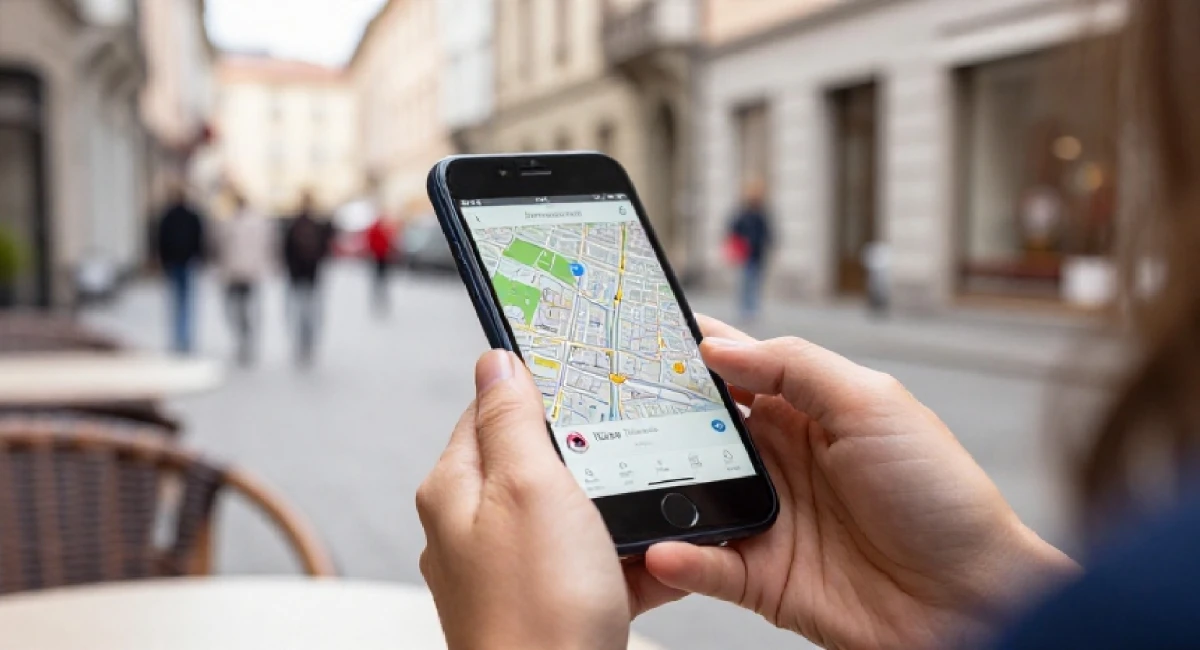
Building a day-by-day itinerary before you travel is one of the most overlooked ways to save money. Travellers who arrive without a plan pay more, not because they spend on luxuries, but because unplanned time fills with expensive defaults: taxis instead of transit, tourist restaurants instead of local ones, paid tours for things that are free with 10 minutes of research.
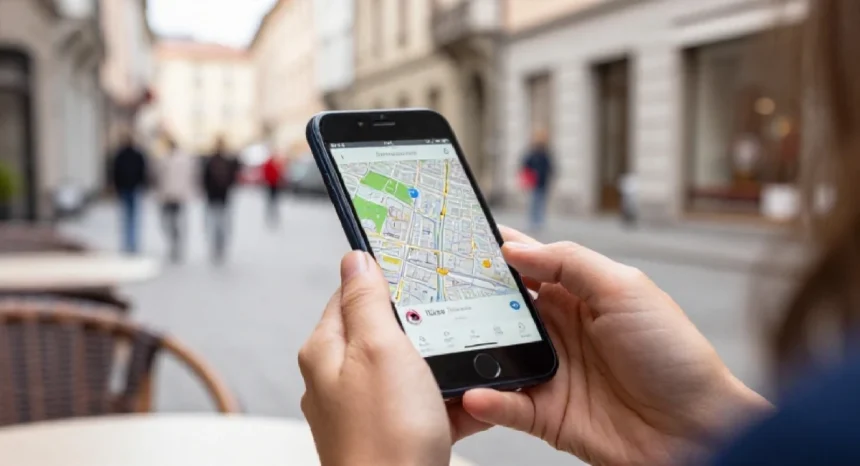
Google Maps lets you save locations, plan routes, and download offline maps for areas with limited data access. Build a list of places you want to visit, check their proximity to each other, and group nearby sights into the same day to reduce transport back and forth.
TripIt organises your booking confirmations (flights, accommodation, car rentals) into a single master itinerary. Forward confirmation emails, and it auto-populates your schedule. Free to use for the core features.
For walking tours, search “[city name] free walking tour” before you go. Most major cities have pay-what-you-want walking tours run by local guides. These typically last two to three hours, cover the main historical areas, and give you a feel for the city’s layout early in your trip.
How to Find Free and Discounted Activities at Any Destination
Most major museums offer at least one free entry day or evening per week. In London, the Natural History Museum, British Museum, and National Gallery are permanently free. In many European cities, the first Sunday of the month is free at national museums. Research this for your specific destination before you pay for any ticket.
City tourism cards are worth calculating in advance. A card that covers unlimited transport plus entry to six or eight attractions for a flat fee can save $40 to $80 compared to paying for each separately, but only if you actually plan to use what it covers. Run the numbers for your specific itinerary before buying.
Public parks, beaches, viewpoints, markets, and religious sites that are open to the public are free in almost every city in the world. A Sunday market in Mexico City, a sunset at a coastal viewpoint in Croatia, a free concert in a city park in Berlin — many of the most memorable experiences in international travel cost nothing.
Common Budget Planning Mistakes for First-Time Travellers
Even well-prepared travellers make avoidable mistakes. Here are the most common ones, along with a quick fix for each.
Booking flights before confirming visa requirements. Some destinations require visas that take two to four weeks to process. Book before you check, and you may face non-refundable flight costs on a trip you cannot legally take. Fix: Confirm visa requirements on your government’s official travel site before booking anything.
Forgetting airport transfer costs. A taxi from a major international airport can cost $30 to $60. Over a round trip, that is a cost most first-time travellers leave out of their budget entirely. Fix: Research airport-to-accommodation transport options before you land and add the cost to your total budget.
Ignoring currency exchange fees. Airport exchange booths and hotel desks typically offer poor rates with added fees. A standard bank card abroad can also carry foreign transaction fees of 2 per cent. Fix: Use a travel-friendly bank card (Wise, Revolut, or Charles Schwab in the US) that offers fee-free international withdrawals and real exchange rates.
Under-budgeting for travel insurance. Skipping insurance or choosing the cheapest policy to save $30 to $50 looks smart until something goes wrong. Fix: Allocate 4 per cent of your total trip cost for insurance and use a comparison site to find the best coverage at that price point.
Missing checked baggage fees. Budget airlines do not include checked bags in their base fare. A $60 flight can become a $120 flight once you add a checked bag each way. Fix: Check the full fare breakdown including baggage before booking and compare the real total cost, not just the advertised starting price.
Paying tourist rates for activities. Many popular experiences — boat tours, cooking classes, guided tours — can be booked locally at much lower prices than on international booking platforms. Fix: Reserve a small activity budget for booking in person once you arrive, especially in Southeast Asia and Central America.
Conclusion
Planning an affordable international trip is not complicated. It is a process, and it works best when you follow the steps in the right order.
Start with a destination that makes financial sense for your budget and passport. Set your total number before you book a thing. Find flights using multiple tools, not just one. Book accommodation with enough lead time to access the best prices. Sort your visa and insurance early. Plan your daily spending around local options rather than tourist defaults. Build your itinerary with free tools and research free activities before you arrive.
That is the cheapest way to plan an international trip: not a single hack, but a series of decisions made in the right sequence, each one building on the last.
If you are thinking about a specific destination and want detailed cost numbers, the guide on how much a two-week budget trip to Europe really costs breaks down the actual figures city by city.
Start with step one. The rest follows from there.