


Is It Legal to Raise Rent Without Warning?
You open your email or find a letter under your door. Your landlord wants to raise your rent — starting next month. No warning, no formal notice, just a number higher than what you agreed to pay.
- What Does “Rent Increase Without Notice” Actually Mean?
- Is It Legal to Raise Rent Without Warning? The Short Answer
- Rent Increase Notice Period Rules by Country
- Tenant Rent Rights — What Protections Do You Have?
- Lease Renewal Rules and Rent Increases
- How Much Can a Landlord Legally Raise Rent?
- How to Respond If Your Landlord Raised Rent Without Proper Notice
- Frequently Asked Questions About Rent Increases and Notice Requirements
- Conclusion
The first question most tenants ask is whether a rent increase without notice is even legal. In most countries, no. Landlords must follow a formal process before any rent increase takes effect. But the specifics depend on where you live, what type of lease you have, and whether your landlord followed the correct steps.
Below, you will find what the law requires, what rights you hold, and what to do if your landlord skipped the process entirely.
What Does “Rent Increase Without Notice” Actually Mean?
Not all rent increases without notice look the same. Some tenants receive no warning at all. Others get a text message or a verbal mention from their landlord. Some receive a letter — but it arrives only days before the increase takes effect.
All three situations can be legally problematic.
A legally valid notice typically means a written document that clearly states the new rent amount, the date the increase takes effect, and enough lead time for the tenant to respond or make decisions. In most jurisdictions, this means a formal letter, an email with a clear paper trail, or a prescribed government form.
A text message saying “rent goes up next month” does not meet that standard in most places. A verbal mention carries even less weight. And a letter that arrives two days before the increase takes effect may technically be written notice, but it likely fails the minimum notice period required by law.
Notice requirements exist for a simple reason: tenants need time to budget, negotiate, or decide whether to stay. Stripping that time away puts tenants at a disadvantage. The law in most English-speaking countries recognises this and builds in protections.
Is It Legal to Raise Rent Without Warning? The Short Answer
In most cases, no. Across the United States, the United Kingdom, Canada, and Australia, landlords must provide written notice before a rent increase takes effect. The exact notice period depends on where you live, the type of tenancy you hold, and in some cases, how large the increase is.
There is no single global rule. But the principle is consistent: a landlord cannot decide on a new rent and expect you to pay it immediately. They must follow a process. If they do not, the increase may not be enforceable.
Fixed-Term Leases vs. Month-to-Month Tenancies
Your lease type plays a major role in whether your landlord can raise your rent.
Fixed-term leases are agreements for a set period, commonly six or twelve months. The rent agreed at the start is locked in for the duration. Your landlord generally cannot raise the rent mid-term unless your lease contains a specific rent review clause allowing it.
Month-to-month tenancies (also called periodic or rolling tenancies) work differently. Since the tenancy renews monthly, the landlord has more flexibility to propose changes, including rent increases. However, they still must give proper written notice before the increase takes effect.
Here is a simple comparison:
| Lease Type | Can Rent Be Raised Mid-Term? | Notice Still Required? |
|---|---|---|
| Fixed-term | Generally no | Yes, at renewal |
| Month-to-month | Yes, with notice | Yes, always |
Knowing which category you fall into is the starting point for understanding your rights.
When Is a Rent Increase Considered Legally Invalid?
A rent increase can be challenged or set aside in several situations:
- No written notice was given — verbal or text-based communication does not meet legal standards in most jurisdictions
- The notice period was too short — even written notice is invalid if it does not give you the legally required lead time.
- The increase happened during a fixed-term lease — unless a rent review clause specifically allows it.
- The increase appears to be retaliatory — for example, after you complained about a repair issue or contacted a housing authority.
- The increase is discriminatory — targeting a tenant based on race, religion, family status, or other protected characteristics.
If any of these apply, you are not required to accept the increase until the landlord follows the correct process. Continue paying your existing rent during any dispute.
Rent Increase Notice Period Rules by Country
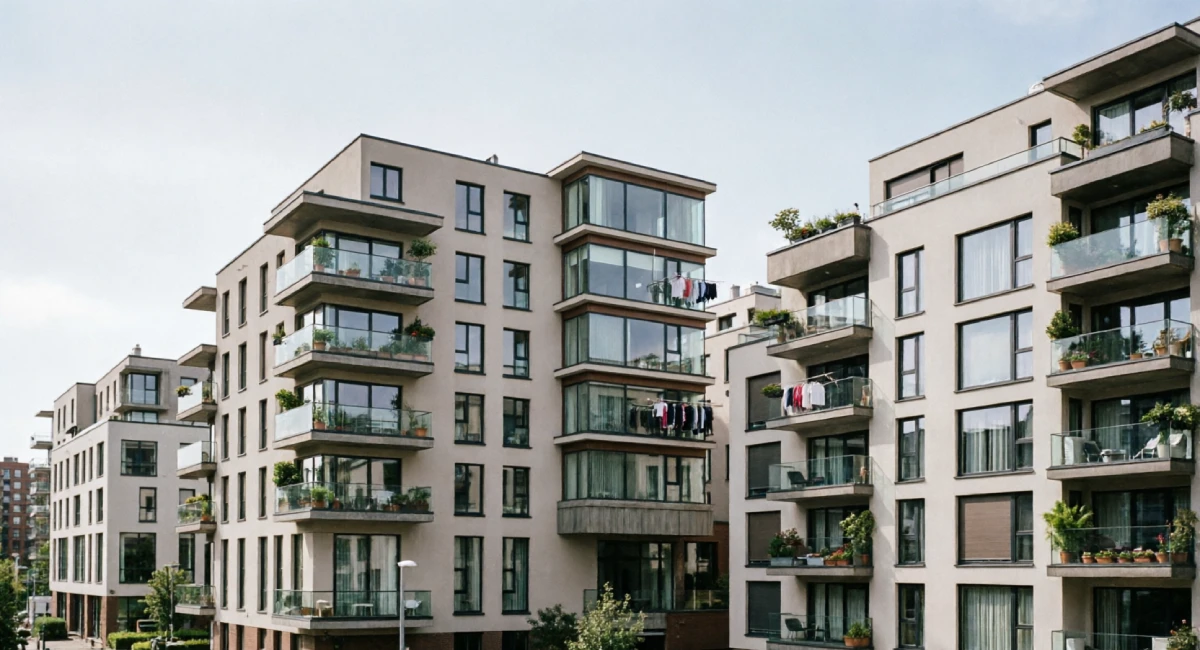
The notice period you are entitled to depends on where you live. Below is a country-by-country overview of the general rules. Always verify the current requirements through your local government housing authority, as rules change and local variations apply.
United States — Federal Guidelines and State Variation
There is no federal law in the United States that sets a standard notice period for rent increases. Each state — and sometimes each city — sets its own rules.
Most states require at least 30 days’ written notice for month-to-month tenancies. Some states, including California, require 60 days’ notice if the increase exceeds 10% of the lowest rent charged in the previous 12 months. A smaller number of states require up to 90 days for larger increases.
Rent-controlled cities such as New York City and San Francisco have additional restrictions on both the size of the increase and how notice must be delivered. Tenants in those areas have extra protections beyond standard state law.
United Kingdom — Section 13 Notices and Periodic Tenancies
In England and Wales, landlords raising rent on a periodic tenancy must use a Section 13 notice — a formal government document that sets out the proposed new rent and the date it takes effect.
The minimum notice period equals one rental period. If you pay monthly, you must receive at least one month’s notice. If your tenancy is weekly, one week’s notice applies, though most landlords provide more.
Tenants who believe the proposed amount is above market rate can challenge it at the First-tier Tribunal, which will assess a fair market rent. For fixed-term tenancies, rent cannot be changed without either a new signed agreement or a rent review clause in the original contract.
Scotland operates under its own Private Residential Tenancy framework, which includes additional tenant protections.
Canada — Provincial Rules and Rent Guideline Increases
Canada’s rental laws are set at the provincial level, so rules vary by province.
In Ontario, landlords must give 90 days’ written notice using a prescribed form (Form N1) before any rent increase takes effect. Ontario also operates a Rent Increase Guideline that caps annual increases for most rental units — landlords cannot exceed this cap without applying for approval.
British Columbia requires three months’ written notice and follows a similar annual guideline system. Alberta also requires three months’ notice but places no cap on the amount of the increase.
Provinces without rent control still require advance written notice. A verbal mention from your landlord does not count.
Australia — State Tenancy Laws and Frequency Limits
Each Australian state and territory has its own residential tenancy legislation. However, several rules are broadly consistent.
Most states require at least 60 days’ written notice before a rent increase takes effect. Many also restrict how often rent can be raised — typically once every 12 months.
The relevant legislation varies by state. For example, the Residential Tenancies Act in New South Wales or the Residential Tenancies and Rooming Accommodation Act in Queensland. Tenants who believe an increase is excessive can apply to a state tribunal — such as NCAT in New South Wales or VCAT in Victoria — to have it reviewed.
Tenant Rent Rights — What Protections Do You Have?
Most tenants do not realise how many protections already exist in law. Knowing your rights before a dispute arises puts you in a much stronger position.
At a minimum, most jurisdictions give you the right to:
- Receive written notice before any rent increase takes effect
- Know the exact amount of the new rent and when it begins
- Dispute an increase you believe is excessive or improperly notified
- Be free from retaliatory increases when exercising your legal rights
Rent Control vs. Rent Stabilisation — What Is the Difference?
These two terms are often used interchangeably, but they mean different things.
Rent control places a hard cap on the maximum rent a landlord can charge for a particular unit. Once a unit is rent-controlled, the landlord generally cannot charge above a set ceiling regardless of market conditions.
Rent stabilisation is more flexible. Rather than capping the maximum rent, it limits how much rent can increase each year — usually tied to an annual guideline or inflation index.
New York City operates both systems across different housing stock. Parts of California, including Los Angeles and San Francisco, have local rent stabilisation ordinances. These protections are not universal — many cities and regions operate with no cap at all. Whether rent control or stabilisation applies to your unit depends on the age of the building, local ordinances, and in some cases your lease type.
Anti-Retaliation Laws — Can a Landlord Raise Rent for Complaining?
In most jurisdictions, it is illegal for a landlord to raise rent in direct response to a tenant exercising their legal rights. This is known as a retaliatory rent increase.
Common triggers that may count as retaliation include:
- Formally complaining about a repair that was not carried out
- Contacting a local housing authority or building inspector
- Organising with other tenants or joining a tenants’ association
- Filing a complaint or dispute through an official channel
If you raised a maintenance concern and received a rent increase shortly after, that timing may be significant. Document everything, note the dates, and contact a tenancy authority if the pattern looks like retaliation. Exercising your rights cannot legally be used against you.
Lease Renewal Rules and Rent Increases
Most rent increases happen at lease renewal, not mid-tenancy. This is the point where landlords have more room to propose a new rent. But that does not mean anything goes.
Can a Landlord Change the Rent When Renewing a Lease?
Yes, but with conditions. When your lease comes up for renewal, your landlord can propose a new rent amount. However, they must still give you proper written notice before your current lease expires.
If you disagree with the new amount, your options depend on the jurisdiction and whether rent controls apply:
- Negotiate directly with your landlord
- Choose not to renew and move out
- In rent-controlled areas, formally challenge the proposed amount
You are not obligated to sign a new lease just because one is presented to you. In most places, your landlord cannot lock you out or remove your belongings simply because you declined to sign.
What Happens to Rent If You Stay After a Lease Expires?
This situation — a holdover tenancy — is more common than most people expect. Your fixed-term lease ends, you have not signed a new one, but you remain in the property and continue paying rent.
In most jurisdictions, a holdover tenancy automatically converts to a month-to-month arrangement. The original terms of your expired lease continue to apply, including the existing rent, until your landlord gives you valid written notice of a change.
You do not lose your rights the day your lease expires. Your landlord still needs to follow the correct process to raise your rent, even in a holdover situation. You are a month-to-month tenant with the same notice protections as anyone else.
How Much Can a Landlord Legally Raise Rent?
Even when proper notice is given, the question remains: is there a legal limit on how much rent can go up? The answer depends on where you live and what rental market governs your unit.
Areas With No Rent Cap — What That Means for Tenants
In many parts of the United States, much of England and Wales outside of protected tenancies, and several Canadian provinces, there is no legal cap on how much rent can increase. As long as the landlord gives correct notice, they can propose any amount.
If you are in one of these areas, your options are:
- Negotiate — landlords often prefer a reliable existing tenant over the risk of vacancy
- Research comparable rents in your area and use that data in your conversation
- Consider moving if the new amount no longer makes financial sense
- Connect with local tenant advocacy groups who may offer support or information
In unregulated markets, the law does not protect against high increases — only against increases delivered without proper process.
Where Rent Increase Caps Apply — Key Examples
Several jurisdictions do apply specific caps on how much rent can rise in a given year:
- Ontario, Canada — the annual Rent Increase Guideline for 2024 was 2.5%. Landlords cannot exceed this for most units without applying to the Landlord and Tenant Board for an above-guideline increase.
- Scotland — rent pressure zones can be designated in areas where rent rises are causing hardship, limiting how much landlords can increase rent in those zones.
- New York City — the Rent Guidelines Board sets annual increase percentages for rent-stabilised units. For 2023–2024, one-year lease renewals were capped at 3%.
- Various U.S. cities — including Los Angeles, San Francisco, and Portland have local ordinances that cap increases for covered units.
These figures change yearly, so always verify the current guideline through your local authority before assuming a specific cap applies.
How to Respond If Your Landlord Raised Rent Without Proper Notice

If your landlord has notified you of a rent increase and you believe they did not follow the correct process, do not panic. There is a clear path forward — and it starts with information.
Step 1 — Check Your Lease and Local Tenancy Laws
Before writing or saying anything to your landlord, go back to your original lease. Look for any rent review clause that specifies when and how rent can change. Note the start and end dates of your tenancy.
Then check the legal requirements in your area. The best sources are:
- Your national or state government’s official housing or tenancy website
- Your local council or municipality’s renter information page
- A government-funded tenant advice service
Avoid relying on general legal forums or social media for jurisdiction-specific rules. Rules vary significantly, and you need accurate local information before taking any formal step.
Step 2 — Respond to Your Landlord in Writing
Once you know the correct notice requirements, respond in writing. Keep the tone polite and factual.
A brief message might acknowledge that you received the notice and note the legal requirement for the notice period in your area, then ask your landlord to confirm whether the correct process was followed.
Do not accuse, threaten, or escalate unless necessary. Many landlords do not know every detail of tenancy law, and a clear, calm message often resolves the issue quickly.
Keep a copy of everything you send and receive. Written records matter if the dispute goes further.
Step 3 — Contact a Tenancy Authority or Housing Tribunal
If your landlord does not respond appropriately or insists the increase stands, contact the relevant authority in your area:
- Ontario, Canada — Landlord and Tenant Board (LTB)
- England and Wales — First-tier Tribunal (Property Chamber) or a local housing adviser
- Scotland — First-tier Tribunal for Scotland (Housing and Property Chamber)
- Victoria, Australia — Victorian Civil and Administrative Tribunal (VCAT)
- New South Wales, Australia — NSW Civil and Administrative Tribunal (NCAT)
- United States — your city or county’s housing court or local fair housing office
Most of these bodies offer free or low-cost assistance. Filing a complaint does not mean a court battle — many disputes are resolved through mediation or administrative review.
Frequently Asked Questions About Rent Increases and Notice Requirements
Can a Landlord Raise Rent in the Middle of a Lease?
Generally, no. A fixed-term lease locks in the agreed rent for the duration of that term. Your landlord cannot change the amount mid-term unless your lease contains a specific rent review clause that explicitly allows it. Without such a clause, any mid-term increase has no legal standing, and you are not required to pay it.
Does a Verbal Rent Increase Have Legal Standing?
In most jurisdictions, no. A verbal notice — whether in person or by phone — does not meet the legal requirement. Written notice is required. What counts as written notice varies, but typically includes a signed letter, a formal email, or a prescribed government form. A text message may be accepted in some places, but it is unreliable as a legal document. When in doubt, ask for written confirmation.
Can I Refuse to Pay a Rent Increase I Was Not Properly Notified About?
You may have grounds to dispute the increase, but do not simply stop paying. Withholding rent entirely can put you at risk of eviction for non-payment, even if the increase itself was improperly notified.
The correct approach: continue paying your existing rent while formally disputing the increase through your local tenancy authority. This protects you legally and demonstrates good faith.
How Often Can a Landlord Increase Rent?
This varies by jurisdiction. In most regulated markets, a landlord can raise rent no more than once every 12 months. Unregulated markets may not set a frequency limit, though proper notice must still be given each time. Check the rules in your specific location to know whether a frequency restriction applies.
Is There a Maximum Percentage a Landlord Can Increase Rent By?
Only in areas where rent control or rent stabilisation applies. In unregulated markets, there is no legal cap on the percentage increase a landlord can propose, provided proper notice is given. See the earlier section on rent caps by jurisdiction for specific figures where limits exist.
What If My Landlord Threatens Eviction for Refusing an Illegal Rent Increase?
This may constitute retaliatory eviction, which is unlawful in most jurisdictions. If your landlord threatens to remove you because you challenged an improperly notified or legally invalid increase, document the threat immediately. Keep all messages and correspondence. Then contact your local tenancy authority without delay. You have the right to dispute an improper increase without facing eviction as a consequence.
Conclusion
A rent increase without proper warning is not something you have to accept. Across all major English-speaking rental markets, the law requires landlords to follow a formal process — and a rent increase delivered without proper notice cannot be enforced until that process is completed.
Start by knowing what type of tenancy you hold and what your local law requires. Check your lease, respond in writing, and use the official channels available to you if needed. You do not need to be a legal expert to protect your rights — you just need to know they exist and where to find support.
For related protections, see the guide on what to do when your landlord refuses repairs.