
Is Solo Travel Safe for Beginners in Unfamiliar Countries?
You’ve been thinking about it for weeks. A solo trip somewhere new — maybe Southeast Asia, maybe southern Europe, maybe somewhere you’ve never even told anyone about yet. But every time you get close to booking, the same question stops you: Is solo travel safe for beginners, really?
- Is Solo Travel Safe for Beginners — The Honest Answer
- What Actually Makes Solo Travel Risky (And What Doesn’t)
- Solo Travel Safety Tips Every Beginner Should Know Before Leaving Home
- Research Your Destination Before You Book
- Get Travel Insurance — Non-Negotiable for Solo Travelers
- Share Your Itinerary With Someone You Trust
- Prepare Your Documents and Digital Backups
- Safe Solo Destinations for First-Time Travelers
- Best Beginner-Friendly Countries in Europe
- Solo-Friendly Destinations in Asia for New Travelers
- Destinations to Build Confidence Before Exploring Further
- How to Stay Safe While Traveling Solo Day to Day
- Accommodation Choices That Improve Your Safety
- Getting Around Safely in an Unfamiliar City
- Staying Aware Without Being Paranoid
- The Right Mindset for Safe Solo Travel
- Solo Travel Safety for Specific Groups
- Solo Female Travel Safety Tips
- Older First-Time Solo Travelers — What to Consider
- LGBTQ+ Travelers — Researching Destination Attitudes
- Essential Apps and Tools for Solo Travel Safety
- Navigation and Offline Maps
- Communication and Emergency Contact Tools
- Personal Safety Apps Worth Knowing
- You’re More Ready Than You Think
It’s a fair question, and you deserve a straight answer — not a pep talk, not a list of horror stories, but an honest look at what the risks actually are and how to handle them.
This guide walks you through everything a first-time solo traveler needs to know: from what’s genuinely risky to which destinations are the easiest places to start, and how to build the kind of calm, prepared mindset that makes solo travel something you enjoy rather than survive.
Is Solo Travel Safe for Beginners — The Honest Answer
Yes — with preparation, solo travel is safe for beginners. That’s not wishful thinking. That’s the experience of millions of people who do it every year.
According to the World Tourism Organization, international tourist arrivals have consistently reached into the billions annually, and the vast majority of those trips — including countless first solo journeys — end without any serious safety incident. The image of a lone traveler getting into serious trouble abroad is far more common in movies than in reality.
That said, pretending there are zero risks would be dishonest. Solo travel does carry some level of risk — the same way driving a car or walking through a crowded city does. The key difference between perceived risk and actual risk is preparation.
A traveler who does two hours of research before departure, carries the right documents, has travel insurance, and knows basic safety habits is in a completely different position than someone who boards a flight having done none of that. Most negative travel experiences happen not because someone traveled alone, but because they weren’t prepared for the situations they encountered.
The honest answer is this: solo travel is not inherently dangerous. It becomes safer the moment you take it seriously as something worth preparing for.
What Actually Makes Solo Travel Risky (And What Doesn’t)
Understanding where the real risks are — and where they aren’t — is one of the most useful things a first-time solo traveler can do. When you know what to actually watch out for, you stop wasting energy worrying about the wrong things.
Common Risks First-Time Solo Travelers Actually Face
The risks that solo travelers genuinely encounter tend to be ordinary rather than dramatic. They include:
- Petty theft and pickpocketing — particularly in crowded tourist areas, busy markets, and public transport hubs. Distraction scams are common near major train stations in cities like Rome, Barcelona, and Paris, where someone creates a diversion while an accomplice takes a wallet or phone.
- Tourist-targeting scams — overcharging for rides, fake tour operators, “friendship bracelet” sellers who demand payment after placing one on your wrist. These are irritating and costly, but rarely dangerous.
- Transportation confusion — taking the wrong bus, missing a connection, or getting dropped off in an unfamiliar area at night. This is more common than people expect on a first trip.
- Minor health issues — food-related illness, dehydration, or altitude sickness in certain regions. These are manageable with preparation, but can derail a trip if ignored.
None of these is a reason to stay home. There are reasons to know your surroundings, keep your valuables secure, and do a bit of research before you arrive.
Risks That Are Mostly Overstated
The fears that tend to stop first-time solo travelers — kidnapping, targeted violent crime, political instability in tourist areas — are statistically rare in the destinations most beginners choose.
Popular solo travel destinations like Portugal, Japan, Vietnam, and New Zealand have extremely low rates of tourist-targeted violence. Most travel advisories for these countries sit at the lowest warning levels.
Risk is far more location-specific than travel-specific. The question isn’t “is it safe to travel alone?” but “is this specific destination safe right now?” Choosing a well-traveled, beginner-friendly country removes most of the dramatic risks people imagine before their first trip.
Solo Travel Safety Tips Every Beginner Should Know Before Leaving Home
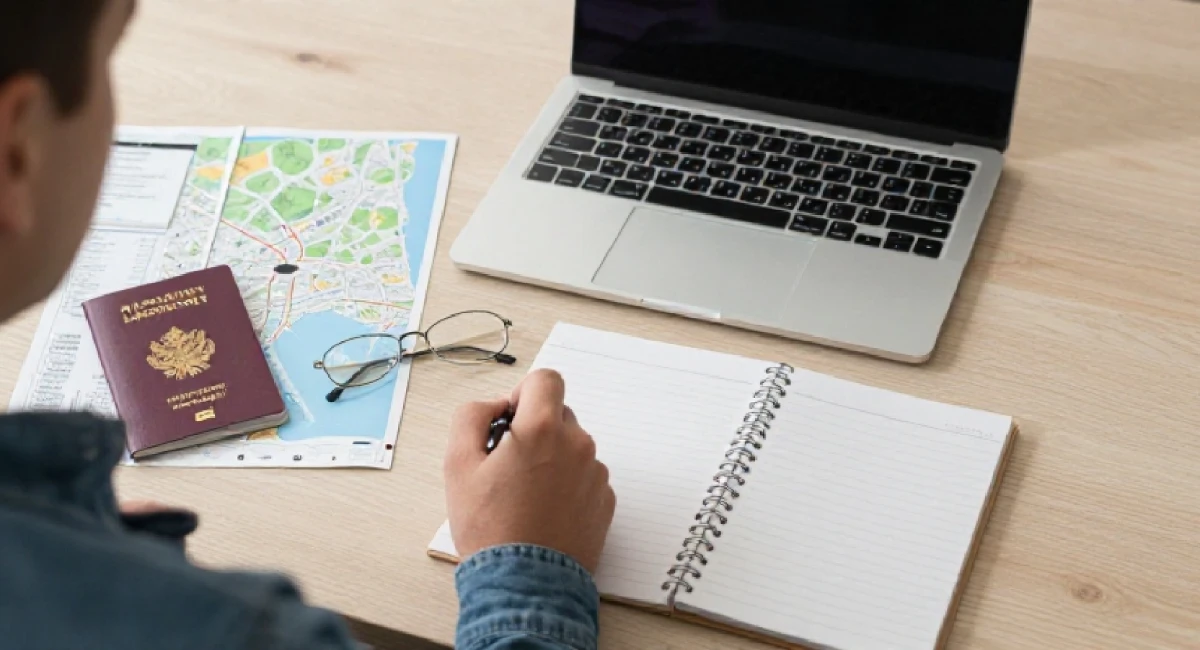
The difference between a stressful trip and a confident one is almost always made before departure. These solo travel safety tips take a few hours to apply, but they change everything about how prepared you feel when you land.
Research Your Destination Before You Book
Start with your government’s official travel advisory. The U.S. State Department, UK Foreign, Commonwealth and Development Office (FCDO), and Australia’s Department of Foreign Affairs and Trade (DFAT) all publish regularly updated advisories organized by country and region.
Beyond official sources, read recent traveler reports. Forums like Reddit’s r/solotravel and travel communities on TripAdvisor give you ground-level information that government pages don’t — which neighborhoods to avoid after dark, which scams are currently active, and what conditions are actually like right now.
Two hours of this research before booking tells you more about your destination than a week of anxious googling after you’ve already paid for flights.
Get Travel Insurance — Non-Negotiable for Solo Travelers
When something goes wrong on a group trip, costs and decisions are shared. When something goes wrong on a solo trip, you handle it alone — financially and practically.
A missed flight, a hospital visit, or a lost passport can cost thousands without insurance. Good travel insurance covers:
- Emergency medical treatment and evacuation
- Trip cancellation and interruption
- Lost or stolen documents and baggage
Use an insurance comparison tool to find a policy that fits your destination and trip length. Read the exclusions carefully — adventure activities like hiking or motorcycling are often excluded from standard policies.
Share Your Itinerary With Someone You Trust
This is one of the most underused safety habits among first-time solo travelers, and it takes about ten minutes to do.
Before you leave, give a trusted person at home your day-by-day plan: accommodation names and addresses, your flight details, and a simple check-in schedule (for example, a message every evening). If they haven’t heard from you by a certain time, they know to reach out.
Google Maps location sharing is a low-effort way to keep this passive safety net running in the background without disrupting your trip.
Prepare Your Documents and Digital Backups
Carry physical copies of your passport, visa, travel insurance policy, and emergency contact numbers in a separate bag from your originals. Then store digital copies in a cloud service you can access from any device — a Google Drive folder or even a draft in your email account works well.
If you’re heading to a less familiar region, register your trip with your home country’s embassy online. It’s free, takes five minutes, and means officials know you’re in the country if an emergency occurs.
Safe Solo Destinations for First-Time Travelers
Choosing the right destination is one of the most important safety decisions a first-time solo traveler makes. These safe solo destinations are chosen for four reasons: low petty crime rates, strong tourist infrastructure, reasonable English accessibility, and ease of independent navigation.
Best Beginner-Friendly Countries in Europe
Western Europe is one of the most forgiving regions in the world for first-time solo travelers. A few standout options:
- Portugal — particularly Lisbon and Porto — is consistently ranked among Europe’s safest and most welcoming countries. Walkable cities, affordable accommodation, and a relaxed pace make it a natural starting point.
- Iceland has one of the lowest crime rates in the world. It’s small, easy to navigate, and English is spoken almost universally.
- The Netherlands, especially Amsterdam and Utrecht, offers excellent public transport, a culture that’s broadly tolerant and open, and a well-developed tourist infrastructure.
Western Europe as a region tends to have strong emergency services, multilingual tourist support, and well-marked transport systems — all things that matter when you’re finding your feet.
Solo-Friendly Destinations in Asia for New Travelers
Asia has well-worn backpacker trails that make solo travel genuinely accessible, even for beginners.
- Japan is frequently cited as the safest country in the world for solo travelers. The train system is efficient and clearly signed in English, the crime rate is exceptionally low, and the culture is broadly respectful toward visitors.
- Vietnam offers a strong traveler infrastructure along its north-south route, with budget-friendly hostels and a large community of solo travelers at every stop.
- Thailand is another strong choice — particularly the northern city of Chiang Mai, which has a large expat and solo traveler community and is notably calmer than Bangkok for a first visit.
Language barriers are less of an issue than most beginners expect. English signage is common in tourist areas across all three countries, and translation apps handle the rest.
Destinations to Build Confidence Before Exploring Further
If the idea of a country where you don’t speak the language still feels like too much for a first trip, that’s completely reasonable. Start somewhere where the cultural gap is smaller.
A North American traveler might begin in Ireland, Canada, or New Zealand. A British traveler might start in Australia or Malta. These trips still give you the full solo travel experience — planning alone, navigating alone, making decisions alone — without the added mental load of a language barrier or unfamiliar cultural norms.
Think of it as a stepping stone. Each solo trip builds the skills and confidence that make the next one easier.
How to Stay Safe While Traveling Solo Day to Day
Preparation gets you ready. Habits keep you safe once you’re there. These are the practical, on-the-ground behaviors that experienced solo travelers use every day.
Accommodation Choices That Improve Your Safety
Location matters more than price or star rating. A budget guesthouse in the center of a city is almost always safer than a nicer hotel in an unfamiliar neighborhood that requires a late-night taxi to reach.
When comparing accommodation types:
- Hostels offer a built-in social network, shared common spaces, and staff who are used to helping solo travelers with local advice. They tend to attract other travelers who share information freely.
- Private guesthouses or budget hotels give you more independence and quiet, but less built-in support. They work well once you have a few trips under your belt.
Before booking either, read recent guest reviews and filter specifically for comments about safety, neighborhood feel, and staff responsiveness. Reviews from the last 90 days are more useful than older ones.
Getting Around Safely in an Unfamiliar City
A few habits that make city navigation safer:
- Use verified ride-hailing apps (Grab in Southeast Asia, Bolt or Uber in Europe) rather than flagging down unmarked taxis. The fare is fixed, the driver is traceable, and the route is tracked.
- Download offline maps before you leave your accommodation’s Wi-Fi. Walking through an unfamiliar area while staring at your phone screen signals that you’re lost. Having your route already loaded means you can glance at it discreetly.
- Avoid unfamiliar routes at night, particularly if you’ve just arrived. Book a pre-arranged transfer for early-morning arrivals at airports or bus stations rather than figuring it out on the spot at 2 am.
Staying Aware Without Being Paranoid
Situational awareness is not about being anxious every time you step outside. It’s a low-effort habit: look up from your phone in crowded spaces, know roughly where your accommodation and the nearest embassy are, and trust yourself when a situation feels off.
If someone approaches you in a way that makes you uncomfortable, walking away is always the right move. You don’t owe a stranger your attention.
Most destinations don’t require constant alertness. You’ll spend the majority of your trip relaxed, curious, and enjoying yourself. The habits above are just a quiet background layer — present when needed, invisible the rest of the time.
The Right Mindset for Safe Solo Travel
No amount of preparation removes every variable from a solo trip. At some point, something will go unexpectedly. How you respond to that moment matters more than whether it happens.
The travelers who come home with the best stories are rarely the ones who had perfect trips. They’re the ones who stayed calm, worked through the problem, and kept going.
This section covers the mental side of travel safety advice that most guides skip entirely.
How to Handle Problems Calmly When They Arise
A missed connection. A hostel that’s fully booked despite your reservation. A wrong turn that adds two hours to your day. These things happen on almost every solo trip, and they are not emergencies.
Experienced solo travelers treat these moments as problems to solve, not signals that something has gone terribly wrong. The mindset shift sounds small, but it changes everything in the moment.
When something goes sideways: pause, assess what you actually need right now (accommodation, transport, information), and take one step at a time. Hotel staff, local tourist offices, and fellow travelers are often more helpful than people expect. Most problems have a solution — it just might not be the original one.
Building Confidence on Your First Solo Trip
Confidence in solo travel is built, not found. Nobody boards their first solo flight feeling completely certain. They board it feeling nervous and prepared, and the confidence arrives during the trip.
A few strategies that help:
- Start with a shorter trip — four to seven days in a single city or country reduces the variables significantly.
- Join a free walking tour on your first day. It gives you a quick orientation to the city, a sense of the layout, and easy conversation with other travelers.
- Stay in a social hostel for at least part of the trip. Meeting people who are also traveling solo makes the experience feel immediately less isolated.
By day three of most solo trips, first-timers report that the anxiety has largely faded and something closer to quiet enjoyment has taken its place. That shift happens faster than people expect.
Solo Travel Safety for Specific Groups
Some travelers face different considerations based on their identity or health needs. This section covers practical, specific guidance for three groups without overstating the risks they face.
Solo Female Travel Safety Tips
Solo female travel is common, well-documented, and entirely achievable. The practical adjustments worth making are straightforward:
- Research local dress norms before arriving and pack accordingly. Dressing in a way that fits the local context reduces the chance of unwanted attention in more conservative areas.
- Avoid isolated areas after dark, particularly on a first night in a new city before you have your bearings.
- Choose female-only hostel dorms if shared rooms are part of your plan — most major hostels offer them, and they provide an easy way to meet other women traveling solo.
- Trust your instincts in social situations. If a person or setting feels wrong, leaving is the right choice.
This isn’t about restricting where you go. It’s the same kind of practical awareness that any traveler benefits from applying.
Older First-Time Solo Travelers — What to Consider
Age is not a barrier to solo travel. Many people take their first solo trip after 50 and find it one of the most rewarding decisions they’ve made.
The practical considerations to address include carrying all prescription medications with supporting documentation, making sure your travel insurance includes adequate medical coverage (standard policies sometimes cap payouts for older travelers), and choosing destinations with reliable healthcare infrastructure for your first trip. Pacing your itinerary with rest days built in makes longer trips far more enjoyable.
LGBTQ+ Travelers — Researching Destination Attitudes
Legal protections and social attitudes toward LGBTQ+ travelers vary significantly by country. Before booking, check ILGA World’s annual State-Sponsored Homophobia report, which maps legal and social conditions by country in plain terms.
For a first solo trip, choosing a destination with clear legal protections and a visible LGBTQ+ community removes unnecessary risk. In more conservative countries, discretion around public displays of affection is a practical safety consideration — not a statement about identity, but an honest response to local conditions.
Essential Apps and Tools for Solo Travel Safety
These tools won’t replace preparation, but they make the practical side of solo travel significantly easier. All of them are free or low-cost and available across major platforms.
Navigation and Offline Maps
Download your destination’s offline map on Google Maps or Maps.me before leaving your accommodation or airport Wi-Fi. Once saved, the map works without any mobile data connection.
This is particularly useful when you arrive in a new city and need to navigate to your accommodation without burning through a SIM card or searching for public Wi-Fi. You can look at your route discreetly rather than standing on a street corner, clearly lost.
Communication and Emergency Contact Tools
- WhatsApp handles international communication without per-message charges, which makes it the practical standard for staying in touch with people at home.
- Google Translate now offers real-time camera translation (point your phone at a sign, and it translates on-screen) and a conversation mode for back-and-forth exchanges. It handles most everyday situations.
- Before arriving in each country, look up the local emergency number (not all countries use 112 or 911) and save it. Many popular tourist countries also run dedicated tourist helplines separate from general emergency services.
Personal Safety Apps Worth Knowing
Google Maps and Apple’s Find My both include location-sharing features that let a trusted contact at home see where you are in real time. This costs nothing and requires minimal setup.
Some travelers use dedicated check-in apps that send an alert to a contact if a scheduled check-in is missed. These are worth considering for more remote itineraries. Whatever tools you choose, treat them as support for your preparation habits, not a replacement for them.
You’re More Ready Than You Think
Solo travel asks something of you that most experiences don’t: to show up somewhere unfamiliar, navigate it on your own terms, and trust yourself to handle what comes up. That’s what makes it genuinely rewarding — and also what makes it feel frightening before you go.
But is solo travel safe for beginners? Yes. For millions of people every year, it is. The ones who have the best experiences aren’t the bravest or the most experienced — they’re the most prepared.
You now have the framework to make your first solo trip a confident one. Pick a destination that fits where you are right now. Download an offline map. Sort out your travel insurance. Tell someone where you’re going.
Then go. The first trip is always the hardest one to book, and the easiest one to look back on with pride.
If you found this guide useful, share it with someone who’s been sitting on the idea of their first solo trip. Sometimes, the only thing standing between a person and the trip they want is the right information at the right moment.