


Most people plan a trip backwards. They pick a place first, then try to build a good experience around it. Sometimes it works. Often, it doesn’t.
- Why Your Travel Style Should Come Before Your Destination
- The Main Travel Personality Types
- How to Identify Your Own Travel Style Before You Book
- Choose a Travel Destination Based on Style — A Practical Matching Guide
- Destination Selection Tips When Your Travel Style Is Mixed
- Practical Factors That Should Support — Not Override — Your Travel Style
- How to Test a New Travel Style Before Committing to a Big Trip
- Conclusion
If you’ve ever come back from a trip feeling like something was missing, the destination probably wasn’t the problem. The mismatch between where you went and how you like to travel was.
Choosing a travel destination based on your style changes the whole process. Instead of chasing what looks good on a screen, you start from what feels right for you. This guide walks you through how to do that, from identifying your travel personality to matching it with destinations that deliver the experience you’re after.
Why Your Travel Style Should Come Before Your Destination
There’s a version of Paris that’s magical. There’s also a version that’s overwhelming, expensive, and exhausting. The destination is the same. The difference is almost always the traveler and whether Paris was the right fit for them.
When you choose a destination before understanding your travel style, you’re essentially buying a suit before taking your measurements. It might look great on someone else. That doesn’t mean it’ll fit you.
Your travel style shapes how you experience a place. Get that right first, and the budget, the itinerary, and the accommodation fall into place.
How Most People Pick Destinations — and Where It Goes Wrong
The typical process goes something like this: someone sees a photo on social media, adds it to a mental bucket list, then books when a deal appears. It feels spontaneous and exciting. The problem is that none of those inputs — the photo, the list, or the price — have anything to do with how that person actually travels.
A destination that photographs beautifully might require 14-hour travel days, constant crowd navigation, or a level of physical activity that doesn’t match what the traveler wanted. By the time they realize this, they’ve already paid for flights and accommodation.
The destination wasn’t wrong. The selection process was.
What Happens When Destination and Travel Style Don’t Match
Take someone who loves slow travel. They enjoy spending a week in one neighborhood, finding a local café they return to every morning, and taking their time with a single museum. They book a 10-day trip covering five cities across three countries because it seemed like good value.
By day four, they’re exhausted. By day seven, every city blurs into the last one. They return home needing a holiday from the holiday.
Now consider an adventure seeker who books a beach resort because it was on sale. They spend five days looking at the same stretch of sand, counting the hours until check-out. The resort was lovely. It just wasn’t theirs.
Both trips wasted money. More than that, they wasted the one thing that’s harder to get back: the time set aside to enjoy traveling.
The Main Travel Personality Types
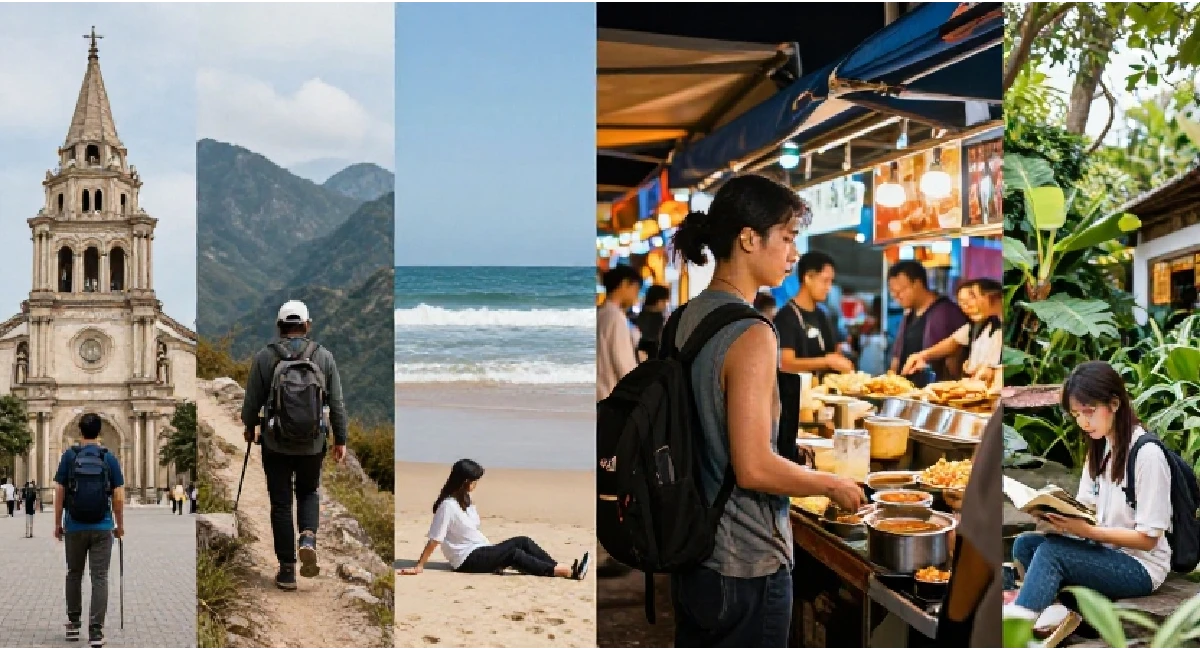
Understanding travel personality types is the first step toward better booking decisions. These aren’t rigid boxes. They’re patterns that describe what energizes you when you travel and what drains you.
Most people fit into one type with secondary tendencies. Read through each one and notice which description makes you think, “Yes, that’s exactly me.”
The Cultural Explorer
The cultural explorer travels to understand. History, local food, traditional art, neighborhood life, religious sites, regional festivals — that’s what makes a trip worthwhile.
They come alive in places like Kyoto, where centuries of tradition are still part of daily life, or Istanbul, where you can move between a Byzantine basilica and a spice market in the same afternoon. What drains them is anything that feels manufactured for tourists rather than lived by locals.
All-inclusive resorts, overly curated “cultural experiences,” and destinations smoothed out for maximum visitor comfort leave them cold. They’d rather eat at a restaurant where the menu isn’t in English.
The Adventure Seeker
For the adventure seeker, a good trip has a physical dimension. They want terrain to challenge them, whether that’s a multi-day trek, open-water diving, white-water rafting, or backcountry skiing. The activity is the destination.
What they need from a place is variety of challenge, access to quality guides and equipment, and a landscape that feels wild. New Zealand and Costa Rica consistently appear on their shortlists because both countries pack an unusual range of physical experiences into a compact geography.
This traveler doesn’t need luxury. They need logistics that work. A clean, simple base camp is enough, provided the next morning’s activity is worth waking up for.
The Relaxation-First Traveler
The relaxation-first traveler measures a trip’s success by how rested they feel on the last day. Not bored. Rested. There’s a difference.
This isn’t about doing nothing. It’s about choosing a pace where nothing is scheduled unless it needs to be. A slow morning, a long lunch, an afternoon swim, an early night. The Maldives and the quieter parts of Bali serve this traveler well, but so does a rented farmhouse in the Portuguese countryside at a fraction of the price.
Unlike the adventure seeker, who feels the pull toward the next challenge, the relaxation-first traveler resists any itinerary that starts to feel like a schedule.
The Social and Nightlife Traveler
Some people travel because they want to meet other people. New friends from other countries, a lively bar scene, a rooftop with a view and a crowd worth talking to. The social and after-dark energy of a place shapes how much they enjoy the trip.
Barcelona delivers this in a way few cities can match: beach access by day and a nightlife culture that starts late and runs deep. Bangkok offers something similar at a lower cost and with a more chaotic, electric quality to its social scene.
For this traveler, an isolated beach villa or a rural retreat would feel like a punishment, no matter how beautiful.
The Budget-Conscious Explorer
Budget travel is a style, not just a constraint. The budget-conscious explorer enjoys traveling well on less — finding the best local meal for two dollars, choosing a guesthouse that puts them in a neighborhood rather than a hotel district, and stretching a trip longer by spending less.
These travelers often end up with richer experiences because tight budgets push them toward local life rather than the tourist layer sitting on top of it. Southeast Asia, Eastern Europe, and South America consistently offer the best return, both in cost and in the quality of experience they make available.
How to Identify Your Own Travel Style Before You Book
Knowing the categories is useful. Knowing which one describes you is what changes your next booking decision. This section helps you figure that out before you start browsing flights.
The best approach isn’t a quiz. It’s a short, honest reflection. Give yourself fifteen minutes and work through these questions without overthinking them.
Questions to Ask Yourself Before Planning Any Trip
Work through these before you look at a single destination:
- When you imagine a perfect travel day, is it structured or unstructured?
- Do crowds energize you or drain you?
- How do you feel about eating alone at a restaurant in an unfamiliar place?
- On a scale of exhausted to exhilarated, where does physical challenge land for you?
- How much does your accommodation matter to the overall trip experience?
- Do you return from trips needing rest, or do you come back feeling recharged?
- Is discovering local daily life important to you, or is it secondary to the main experience?
- What’s your honest reaction when plans change unexpectedly?
There are no wrong answers. The point is to notice where your instincts go. If the idea of unstructured days feels like relief, that tells you something. If it feels like anxiety, that tells you something different.
What Your Past Trips Can Tell You
Before you plan forward, look back. Think about the last three or four trips you’ve taken and ask yourself which one felt most like you.
Not which had the best weather or the best food. Which one felt like you were in the right place doing the right things at the right pace.
Now think about the ones that didn’t quite work. What was off? Too rushed? Too quiet? Not enough to do outdoors? Too far from local life? The answers to those questions are more reliable than any personality test because they come from what actually happened, not what you think you’d like.
A pattern usually emerges. That pattern is your travel style.
Choose a Travel Destination Based on Style — A Practical Matching Guide
Once you know your type, the matching process becomes more direct. The sections below connect each travel personality with destinations most likely to deliver what they’re looking for.
Best Destinations for Cultural Explorers
Cultural explorers should look for cities and regions where history is still lived, not just displayed.
Kyoto, Japan is one of the best cultural fits in the world. Traditional temples sit inside residential neighborhoods. Tea ceremony culture is still practiced, not performed. The city rewards slow walking and curiosity.
Istanbul, Turkey offers a rare layering of civilizations visible in every street. Byzantine, Ottoman, and modern Turkish culture share the same neighborhoods. The food alone justifies the trip.
Lisbon, Portugal suits cultural explorers who want depth without the intensity of a major capital. Its Fado music tradition, azulejo tile culture, and working-class neighborhood identity give it a local character that hasn’t been smoothed out by tourism.
Oaxaca, Mexico delivers one of the richest indigenous food and craft cultures in the Americas. Its markets, mole traditions, and Zapotec heritage make it hard to exhaust.
Best Destinations for Adventure Seekers
Adventure seekers need destinations that offer physical variety, not just one headline activity.
New Zealand is the benchmark. Within a single country, you can hike multi-day alpine trails, surf reliable breaks, dive in marine reserves, and kayak remote fjords. The logistics infrastructure for adventure sports is excellent.
Nepal is the obvious choice for trekkers, but the Annapurna Circuit and Everest Base Camp routes are only the beginning. The trail network is extensive. Physical preparation matters here more than anywhere else on this list.
Patagonia (shared between Argentina and Chile) offers some of the most dramatic landscapes on earth. Torres del Paine and the Fitz Roy massif are standout destinations for hikers and climbers. The remoteness is part of the appeal.
Iceland compresses a wide range of terrain into a small, accessible country. Glacier hikes, lava field walks, geothermal areas, and coastal cliffs all sit within manageable driving distance of each other.
Best Destinations for Relaxation Travelers
For relaxation-first travelers, timing matters as much as location. The wrong season can turn a quiet destination into a crowded one.
The Maldives is the benchmark: private overwater villas, warm clear water, and almost nothing to do by design. It’s expensive, but if complete disconnection is what you want, it delivers.
Bali’s quieter areas — specifically Ubud and the northern coast around Lovina — offer a gentler alternative to the island’s crowded southern resort zones. The pace is slower, the landscape is greener, and the cost is much lower.
The Greek islands, particularly outside July and August, offer some of the most restful travel experiences available. Naxos and Milos draw far fewer visitors than Santorini while offering similar coastline quality.
Portugal’s Alentejo region is the pick for travelers who want countryside over coastline. Rolling cork forests, whitewashed villages, excellent local wine, and almost no tourist infrastructure. Book outside August.
Best Destinations for Social and Nightlife Travelers
Social travelers need cities with an open social culture, where meeting strangers is easy, and the after-dark scene is both active and accessible.
Barcelona offers a combination that’s hard to match: beach during the day, strong food culture in the evenings, and a nightlife calendar that runs deep into the night. The city’s festival culture and outdoor social spaces make it easy to connect with travelers and locals alike.
Bangkok is the choice for social travelers on a tighter budget. Its rooftop bars, street food markets, and wide accommodation range mean the city works for almost any price point. The energy is relentless, which suits this traveler exactly.
Buenos Aires has a deeply social culture built around late dinners, tango, and neighborhoods designed for walking and sitting. It rewards travelers who want to feel part of a city rather than passing through it.
Medellín, Colombia has become one of South America’s most vibrant social destinations. Its El Poblado and Laureles neighborhoods are well set up for solo travelers, and the local culture is warm toward visitors.
Destination Selection Tips When Your Travel Style Is Mixed
Most people don’t fit neatly into one category. You might want cultural depth but also need a few days of rest. You might lean toward adventure but travel with someone who doesn’t. Mixed travel styles are the norm, not the exception.
The key is not to find a perfect style match. It’s to find a destination that covers your priorities without working against them. These tips are built around that goal.
How to Rank Your Priorities Before Choosing
Before you open a travel comparison site, write down two lists.
The first list: three things a trip must have. Not “nice to have.” Must have. These are your non-negotiables. Warm weather, access to hiking, a city base, local food culture, budget-friendly accommodation. Whatever they are, name them.
The second list: two things a trip cannot have. Too-crowded beaches, structured tour groups, extreme heat, no public transport. Be specific.
When you run potential destinations through both lists, most of them fall away quickly. What’s left is a shortlist of places that match your real criteria — not the idealized version of travel you imagined when you were scrolling through photos.
Destinations That Suit Multiple Travel Styles
Some destinations are flexible. They serve more than one travel type well, making them strong picks for mixed-style travelers or groups with different preferences.
Japan is the most versatile option on most travelers’ lists. Cultural explorers have enough material for ten trips. Adventure seekers can hike the Japan Alps, ski Hokkaido, or cycle remote coastal routes. Food-focused travelers find it near-impossible to have a bad meal. The country’s infrastructure also makes it comfortable for first-time solo travelers.
Portugal covers a different range. It suits cultural travelers with its historic cities and strong local identity. It suits relaxation-first travelers with its coastline and rural interior. And it ranks consistently as one of the best-value destinations in Western Europe, making it a strong fit for the budget-conscious explorer.
Colombia works for adventure seekers (the Cocora Valley, the Lost City trek, the Caribbean coastline), social travelers (Medellín and Cartagena have outstanding nightlife and social scenes), and budget travelers — all without much compromise between the three.
Practical Factors That Should Support — Not Override — Your Travel Style
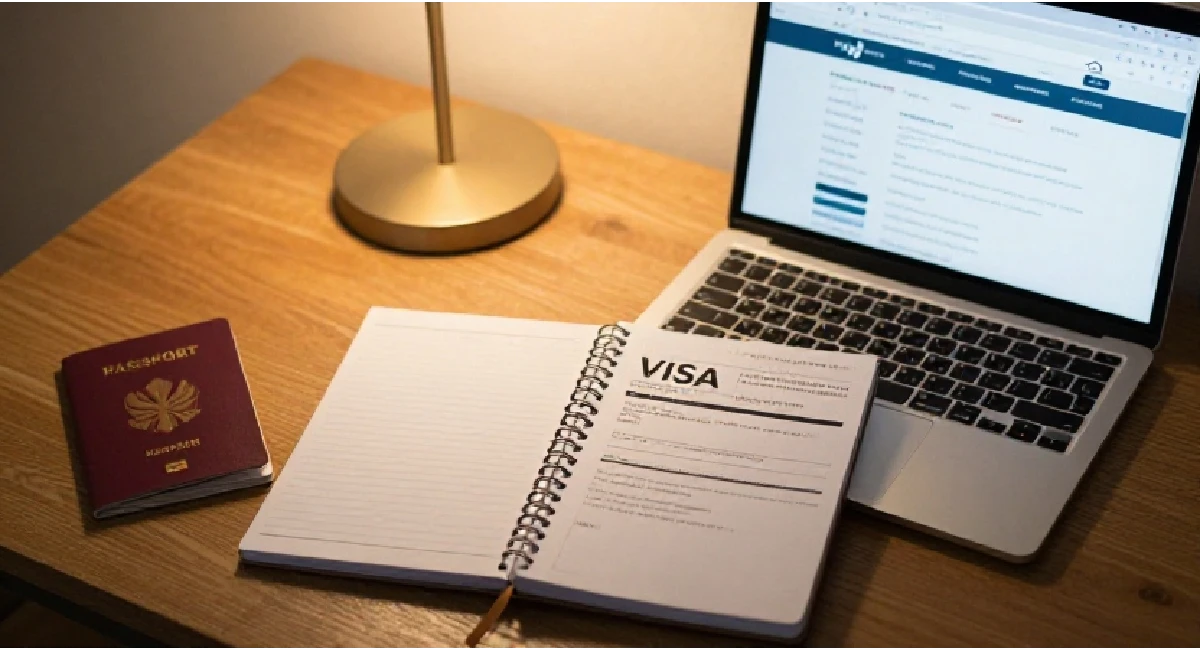
Once you know your travel style and have a shortlist of destinations that match it, practical factors come into play. Budget, travel time, visas, and accessibility are real considerations. But they should trim your list, not build it.
If you let budget or flight price decide first, you often end up somewhere that doesn’t fit you at all. The right order is: style first, practical filters second.
Budget as a Filter, Not a Starting Point
Knowing your travel style makes budgeting easier. Once you know what kind of experience you’re after, you can find the most cost-effective place to have it.
A cultural explorer with a modest budget doesn’t need Florence or Amsterdam. Tbilisi in Georgia, Plovdiv in Bulgaria, or Chiang Mai in Thailand all offer deep cultural richness at a much lower daily cost. The experience quality is comparable. The price is not.
A relaxation-first traveler who assumes they need the Maldives might not realize that a rented house on the Alentejo coast of Portugal, or a quiet guesthouse in northern Bali, delivers the same sense of peace at a fraction of the price.
Budget is a lens you apply after you know what you’re looking for. Not before.
Travel Time, Visas, and Accessibility
Travel time matters more for some travelers than others. A relaxation-first traveler who needs four days to decompress might find that a 20-hour journey to Southeast Asia eats too much of a two-week holiday. A shorter flight to a closer destination might serve them better even if it’s less exotic.
Visa requirements are a practical constraint that varies by passport. Before committing to a destination, check processing times and costs. Some visas require applications months in advance. Others are issued on arrival. This alone can move a destination up or down your shortlist.
Physical accessibility is worth considering honestly, particularly for adventure travel. Some trekking routes require fitness preparation. Some coastal destinations have no accessibility infrastructure. Know what you’re committing to before you book.
How to Test a New Travel Style Before Committing to a Big Trip
Not everyone knows their travel style from experience. Some people are curious whether they’d enjoy slow travel, adventure travel, or solo urban exploration, and haven’t had the chance to find out.
The smart approach is not to gamble a major trip on an untested style. Start smaller. The goal is to learn something real about yourself at minimal cost if the experiment doesn’t land.
Short Trips as Trial Runs
A weekend trip is one of the best ways to test a travel style. It’s long enough to give you a real sense of a style but short enough that a mismatch costs you very little.
If you think you might enjoy slow travel, book three nights in a countryside town two hours from home. Leave the itinerary mostly blank. See how you feel on the second morning when there’s nothing scheduled.
If adventure travel interests you but you’ve never tried it, hike a challenging local trail, or sign up for a weekend introductory climbing course. You’ll learn more from a full day of physical effort in unfamiliar terrain than from any amount of research.
A domestic or regional trial run costs little and teaches you a lot.
How to Adjust Mid-Trip When the Style Doesn’t Fit
Sometimes the mismatch only becomes clear once you’re already there. That’s not a failure. It’s useful information. The worst response is to push through an experience that isn’t working instead of adapting.
If a city-hopping itinerary starts to feel frantic, cut a destination from the schedule. Stay an extra two nights where you are. The itinerary is a plan, not a contract.
If a slow travel setup starts to feel isolating, move to a more social neighborhood. Change your accommodation to a guesthouse rather than a private apartment. Introduce one structured activity per day.
Flexibility mid-trip is not a sign that you chose badly. It’s a sign that you’re paying attention to what’s working for you. That awareness is what makes future trips better.
Conclusion
When you choose a travel destination based on style rather than trend or price, every decision that follows becomes easier. You’re not trying to make a random place work. You’re building an experience around what suits you.
Start with your travel personality. Use your past trips to test your self-assessment. Apply the matching guide to build a realistic shortlist. Then let practical filters — budget, travel time, visa requirements — trim that shortlist to a final choice.
The destination is not the most important decision you’ll make. Knowing yourself as a traveler is.
If you’re preparing for your first trip to a new country, read the full guide on what to expect when visiting a country for the first time. It covers everything from arrival logistics to cultural adjustment and pairs directly with the decision you’ve just made here.