

Which Budget Upgrades Give the Best Return When Selling a Home?
Most sellers go into the pre-sale process thinking they need to spend big to earn big. They book contractors, plan full kitchen overhauls, and price out bathroom renovations — only to discover that buyers didn’t notice the work, or worse, didn’t value it enough to move their offer.
- Why Most Sellers Overspend Before Listing
- Curb Appeal Upgrades That Deliver Strong First Impressions
- Interior Paint — The Highest-Return Low-Cost Upgrade
- Kitchen Updates That Look Expensive Without the Renovation Cost
- Bathroom Improvements With the Strongest Buyer-Friendly Impact
- Flooring: When to Replace and When to Restore
- Lighting Upgrades That Change How Buyers Experience the Home
- Budget Upgrades That Add Resale Value in the Final Week Before Listing
- Upgrades to Avoid — Where Sellers Commonly Waste Money
- Conclusion
The truth is simpler. The budget upgrades that add resale value are rarely the expensive ones. They are the visible ones. The clean ones. The ones that make a buyer walk through your front door and think: this home has been looked after.
This article breaks down exactly where to spend, how much to spend, and — just as importantly — where to stop. Every recommendation here is chosen for one reason: strong visual impact at the lowest possible cost.
Why Most Sellers Overspend Before Listing
There is a persistent belief in real estate that renovation spending translates directly into sale price. It does not. The data tells a different story.
Remodelling Magazine’s annual Cost vs. Value Report consistently shows that major renovation projects recover far less than sellers expect. A mid-range bathroom addition recovers around 56 cents on the dollar. A major kitchen remodel sits at roughly 49 cents. Sellers spend $60,000 and recover $30,000 of it in their sale price — if they are fortunate.
The problem is not the renovation itself. The problem is the assumption that buyers will pay for the work you did. They pay for what they see, feel, and can picture themselves living in. That is a very different calculation.
The Cost vs. Value Problem in Home Renovation
Here is a comparison that makes the point clearly.
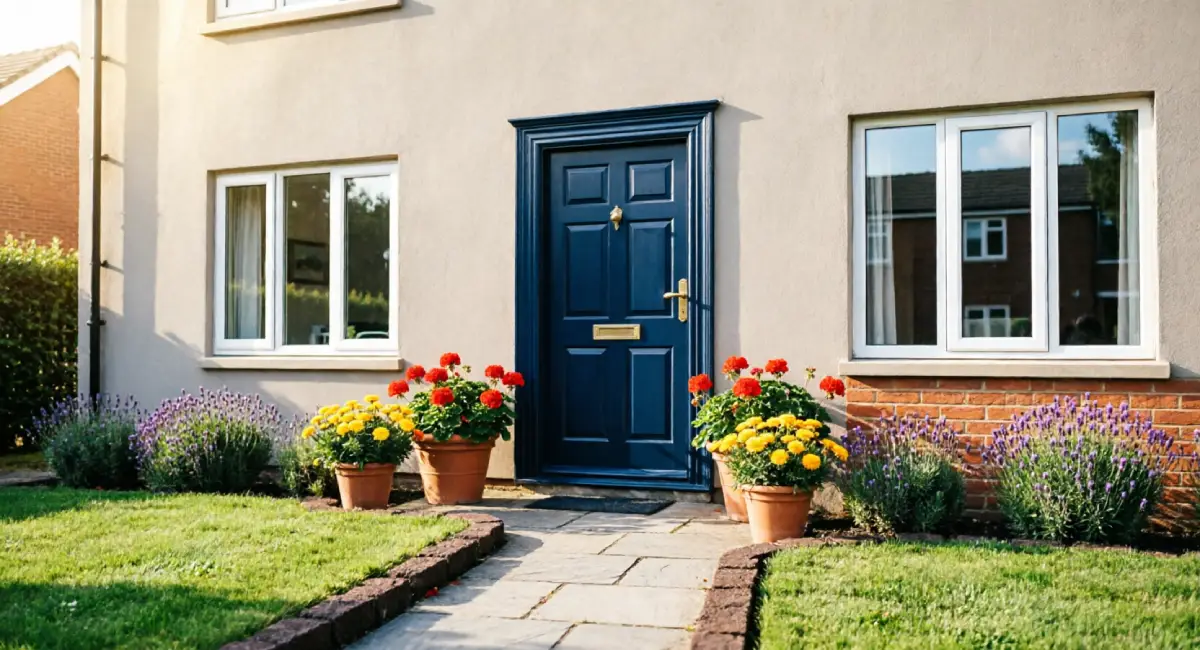
A front door repaint costs around $300 in materials and an afternoon of your time. A full front door replacement runs $12,000 or more once you factor in a premium door, professional installation, and finishing. Both result in a buyer seeing a fresh, welcoming entry. The $300 option delivers virtually the same first impression.
This is the pattern across almost every pre-sale upgrade category. As the project cost rises, the return rate drops. Buyers form their initial impression of your home within the first 30 seconds of arriving. That impression is built on what they see — surfaces, light, cleanliness, and condition. Not on what is behind the walls.
Spending strategically means understanding that perception is the product you are selling at this stage.
What Buyers Actually Notice First
Real estate agents consistently report the same findings: buyers react to presentation before they react to specification. A freshly staged, well-lit home with neutral paint and clean bathrooms generates more interest than a structurally updated home that photographs poorly and feels tired on arrival.
A National Association of Realtors survey found that fresh interior paint and improved curb appeal ranked among the top factors influencing buyer decisions — ahead of updated electrical panels, new plumbing, or HVAC replacements.
Buyers notice the smell. They notice light. They notice whether the floors look clean and the walls look fresh. They do not, in most cases, ask to see the electrical certification during a first showing.
Curb Appeal Upgrades That Deliver Strong First Impressions
Curb appeal is where first impressions are made, and it is consistently one of the strongest categories for home resale improvements. A buyer driving past your home, or scrolling through listing photos, decides within seconds whether they want to walk inside. What they see from the street sets the emotional tone for everything that follows.
The good news: the exterior upgrades with the strongest buyer impact are also among the lowest-cost improvements available.
Front Door: Paint, Hardware, and Lighting
Your front door is the single most photographed element of your home’s exterior. It anchors every listing photo, and it is the last thing a buyer sees before they step inside.
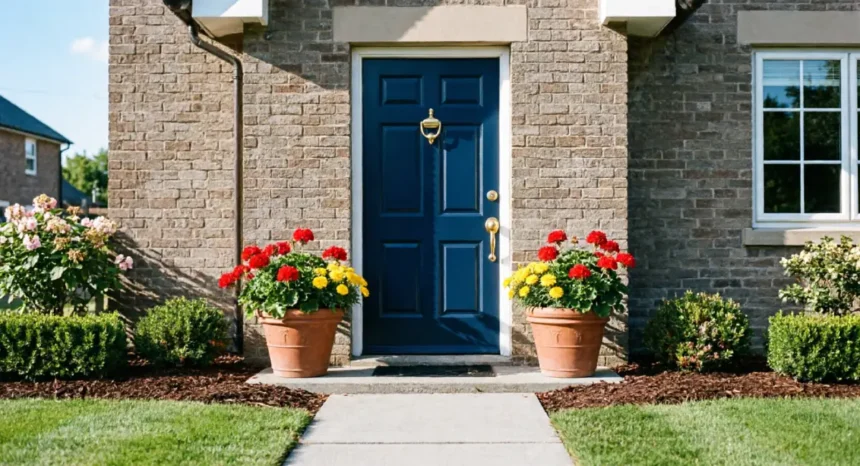
A fresh coat of paint in a considered colour makes an immediate difference. Current buyer-friendly choices include deep navy, charcoal grey, forest green, and warm black. These shades read as intentional and well-maintained against most brick or render exteriors. The cost for a DIY repaint sits between $30 and $80 in materials.
Add updated door hardware for $50 to $150. Brushed nickel, matte black, and aged brass all photograph well and feel premium when touched. Swap out a corroded door knocker and a builder-grade handle set, and the entry reads as considered rather than default.
Replace the exterior light fixture while you are there. A clean, modern fitting costs $40 to $120 and transforms how the entry looks in evening photos and twilight showings. Together, these three changes cost under $400 and create an entry point that looks intentional, polished, and move-in ready.
Landscaping Fixes That Cost Less Than $200
Buyers equate the condition of your garden with the condition of everything else. A neglected front yard signals neglect everywhere. A tidy, maintained exterior signals a home that has been cared for.
You do not need a landscape designer. You need the following:
- Fresh mulch laid across garden beds ($50 to $80 for a standard front yard)
- Trimmed and shaped hedges and shrubs
- Edged lawn lines along pathways and garden borders
- Two or three potted plants with seasonal colour placed near the entry
That is it. The goal is symmetry and cleanliness, not abundance. Well-maintained landscaping adds an estimated 5 to 10 percent to perceived home value according to data from real estate associations in multiple markets. Most of that return comes from basic tidiness, not from planting new gardens.
Interior Paint — The Highest-Return Low-Cost Upgrade
Ask any experienced real estate agent what single improvement delivers the strongest return before a sale, and the answer is almost always the same: fresh paint.
It is inexpensive relative to other renovation work. It photographs well. It signals cleanliness and care. And it removes one of the most common buyer objections — the feeling that a home needs immediate work before they can move in.
Which Rooms to Paint First (and Which to Skip)
Not every room needs repainting, and unnecessary painting wastes time and money. Be selective.
Prioritise these rooms:
- The entry and hallway (the first interior space buyers experience)
- The living room (where buyers spend the most viewing time)
- The kitchen (if walls show grease, scuffs, or dated colour)
- The primary bedroom (the second most scrutinized room after the kitchen)
Skip rooms that are already in a neutral, clean condition. Minor scuffs on walls in good shape can often be spot-touched or cleaned without a full repaint. Garages are worth painting only if the walls are visibly stained or heavily marked.
A standard bedroom repaint costs $200 to $400 as a DIY project, or $500 to $900 if professionally done. For the rooms that matter most, the investment pays for itself in how the home presents.
Colour Choices That Appeal to the Widest Buyer Pool
Neutral does not mean white. It means colours that work with most furniture, most light conditions, and most buyer preferences.
The strongest performers in resale markets are warm whites (Sherwin-Williams Alabaster and Benjamin Moore White Dove are widely referenced standards), soft greige tones, and light warm greys. These colours read as fresh and clean without feeling sterile, and they help rooms feel larger in photos.
Avoid highly personal or bold choices, even if they look striking in person. Deep red dining rooms, moody dark feature walls, and saturated jewel tones all reduce the number of buyers who can picture themselves in the space. You are not decorating for yourself at this stage — you are removing objections.
A consistent colour palette flowing from room to room also creates a sense of coherence and space that buyers respond to positively in listing photography.
Kitchen Updates That Look Expensive Without the Renovation Cost
The kitchen carries more emotional weight in a buyer’s decision than almost any other room. It is where they imagine their mornings, their dinners, their family life. A kitchen that feels tired or dated creates doubt. A kitchen that feels clean and considered creates confidence.
A full kitchen renovation before a sale is rarely justified. The costs are high, the timeline is long, and the return rate is poor. But targeted cosmetic updates — the right ones, applied strategically — can shift buyer perception significantly without touching a single structural element.
Cabinet Refresh: Paint, New Handles, and Soft-Close Hinges
Cabinet doors make up the majority of the visual surface area in most kitchens. If they look dated, the whole kitchen looks dated. But replacing them is expensive. Repainting them is not.
The process: clean surfaces thoroughly, sand lightly, apply a bonding primer, and finish with a durable water-based enamel. A standard kitchen runs $150 to $400 in materials for a DIY repaint. White, off-white, and light grey are the strongest resale colour choices — they read as clean and current in almost every kitchen layout.
Once the cabinets are refreshed, replace the hardware. Matte black and brushed nickel pulls cost $3 to $8 per piece. For a kitchen with 20 cabinet doors and drawers, that is $60 to $160 total. The visual difference is immediate and significant.
Add soft-close hinges where they are missing. Buyers open and close cabinet doors during viewings. A door that closes with a quiet, controlled stop signals quality in a way that is difficult to quantify but easy to feel.
Countertop and Backsplash Fixes Under $300
Full countertop replacement is only justified when surfaces are cracked, warped, or water-damaged. Discolouration and dated appearance alone do not warrant the cost.
For laminate countertops that are structurally sound but visually tired, a countertop paint kit provides a cost-effective refresh. These kits run $50 to $100 and, when applied carefully, produce a clean, solid-colour surface that photographs well and holds up during showings.
A dated or missing backsplash can be addressed with peel-and-stick tile panels. Quality options now run $60 to $150 for a standard kitchen backsplash area. They install without adhesive, look credible in photos, and remove the visual emptiness of a bare painted wall behind the cooktop.
Finish with a professional deep clean of all grout lines. Grout cleaner and a stiff brush cost under $20. The result — bright, clean grout lines rather than grey-stained ones — is one of the fastest visual improvements available in a kitchen.
Bathroom Improvements With the Strongest Buyer-Friendly Impact
Bathrooms sit alongside kitchens as the two rooms buyers inspect most carefully. Outdated, tired, or poorly maintained bathrooms generate immediate buyer concern — both about aesthetics and about potential hidden problems.
The good news: you do not need to retile, replumb, or redesign to address those concerns. The most impactful bathroom improvements before a sale are surface-level, targeted, and affordable.
Fixtures, Faucets, and Mirrors: Simple Swaps That Change the Room
Buyers look at fixtures the same way they look at cabinet hardware in a kitchen: as a signal of whether a home has been updated or left to age.
A dated vanity faucet can be replaced for $40 to $120 in fixture cost. Installation is straightforward for most DIY-comfortable sellers. A builder-grade frameless mirror can be swapped for a framed alternative — rectangular, simple, and proportioned correctly — for $60 to $150. A dated four-bulb vanity light bar can be replaced with a clean, linear modern fitting for $80 to $200.
These three elements sit at eye level. They are what buyers look at when standing at the vanity — which is exactly what buyers do during every showing. Together, they cost $180 to $470 and can make a bathroom look a decade newer.
Grout Cleaning, Caulk Replacement, and Staging the Space
Discoloured grout and failing caulk are the two most common triggers for buyer concern in bathrooms. Both signal age and suggest the possibility of moisture damage or mould, even when none exists.
Address them directly:
- Grout cleaning pens and solutions cost $10 to $25 and restore visible cleanliness without regrouting
- Old caulk around the bath, shower base, and vanity can be removed and replaced for $15 to $30 in materials — a 90-minute job
- Fresh white caulk lines signal a bathroom that has been maintained, not ignored.
Stage the space simply. Matching white towels, one small plant, and a clear countertop with one or two items maximum. This level of staging costs nothing if you already have the items, and it makes listing photos significantly more attractive.
Flooring: When to Replace and When to Restore
Flooring is one of the first things buyers notice when they walk into a room. It covers every square metre of every space they view. When floors look worn, stained, or damaged, buyers mentally subtract the cost of replacement from their offer — often at a higher rate than the actual cost to fix it.
The strategic approach: restore wherever the floor is structurally sound, replace only when restoration is not viable.
Hardwood Refinishing vs. Full Replacement
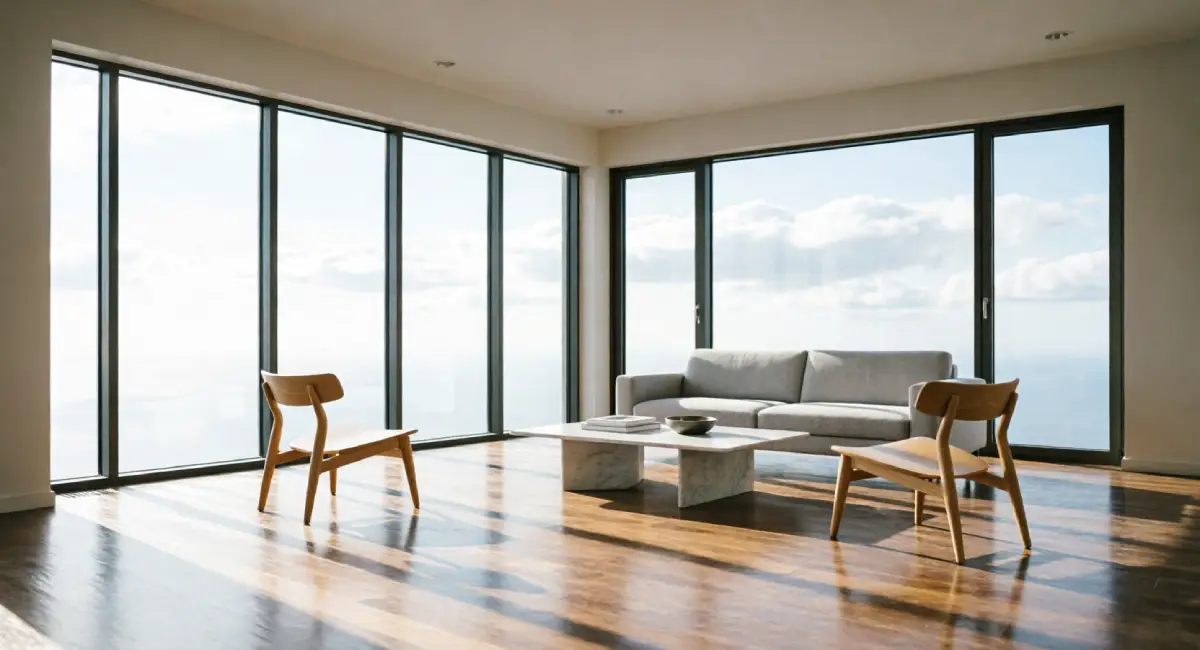
Hardwood floors are actively sought by buyers. They appear in listing searches, they photograph well, and they are widely considered a premium feature in resale properties. Scratched but structurally intact hardwood should rarely be replaced before a sale.
Refinishing — sanding back the surface and applying a fresh coat of finish — costs $2 to $5 per square foot. Full hardwood replacement runs $8 to $15 or more per square foot. A 400-square-foot main living area costs $800 to $2,000 to refinish versus $3,200 to $6,000 or more to replace.
Refinished hardwood floors remove a buyer’s negotiating point, photograph beautifully, and signal quality without the cost of new installation.
Carpet and Vinyl: The Case for Replacement Over Cleaning
Unlike hardwood, carpet does not benefit from the same perception premium. Buyers view carpet as a hygiene concern and an aesthetic limitation. Stained, worn, or heavily compressed carpet is one of the most cited objections in buyer feedback after showings.
Professional carpet cleaning costs $150 to $300 for a standard home and is worth doing if the carpet is in good condition but simply needs refreshing. If the carpet is visibly worn, stained beyond cleaning, or has a persistent odour, cleaning will not solve the problem — and buyers will notice.
Budget luxury vinyl plank (LVP) now installs for $2 to $4 per square foot, including materials and labour, for straightforward installations. It photographs well, feels solid underfoot, and communicates move-in readiness to online browsers who make showing decisions based on listing photos.
Lighting Upgrades That Change How Buyers Experience the Home
Lighting is one of the most underrated pre-sale improvements available. Buyers do not typically walk into a home and think: The lighting here is excellent. But they absolutely feel it — in how large a room seems, how warm it reads, and how comfortable they feel standing in the space.
Dim, mismatched, or blue-tinted lighting makes rooms feel smaller, colder, and older. Updated lighting changes all three.
Swapping Fixtures in Key Rooms
The lighting fixture market has shifted significantly. Contemporary, well-designed fittings that previously cost $300 to $500 are now widely available in the $60 to $180 range. This makes fixture replacement one of the most accessible upgrades on this list.
Focus on rooms where buyers spend the most time evaluating: the entry or hallway, the kitchen, the living area, and the primary bedroom. In each of these spaces, a clean, modern pendant, flush-mount fitting, or simple chandelier communicates an updated, cared-for home.
Updated fixtures also transform listing photography. Well-lit rooms photograph brighter, read as more spacious, and attract more click-throughs on listing platforms than the same rooms photographed under dated or dim fittings.
Bulb Temperature and Natural Light Maximization
This is the lowest-cost lighting improvement available, and it is one that many sellers overlook entirely.
Replace every bulb in the home with warm white options rated at 2700K to 3000K. Cool-tinted bulbs at 4000K or above make rooms feel clinical, cold, and harsh in person and in photos. A full home bulb replacement costs under $40 and takes less than an hour.
To maximize natural light during showings:
- Remove heavy drapes or replace them with sheer alternatives
- Clean windows on both interior and exterior surfaces
- Trim any exterior shrubs or tree branches that are blocking the window light from outside
These steps cost almost nothing and directly improve how your home feels during daytime showings.
Budget Upgrades That Add Resale Value in the Final Week Before Listing
The final seven days before your home goes live are not the time for renovation. They are the time for preparation. The tasks in this section cost very little, take a limited time, and have a direct impact on how buyers experience your home in person and online.
Deep Cleaning as a Non-Negotiable Pre-Sale Step
A professional deep clean is, for most sellers, the single highest-return investment they can make per dollar spent. The cost for a standard home runs $200 to $400. The impact — on buyer perception, on photography, and on the feeling a home produces during a walk-through — is immediate.
A deep clean covers what regular cleaning ignores:
- Oven interior and all appliance surfaces
- Bathroom grout and tile faces
- Baseboards and door frames
- Window glass and sills, inside and out
- Interior cupboards, drawers, and shelving
Buyers open drawers. They look under the kitchen sink. They check the inside of the oven. Cleanliness in these areas signals a seller who has maintained their home carefully throughout ownership. It removes a concern that would otherwise sit in the background of a buyer’s decision.
Decluttering, Depersonalizing, and Staging on a Small Budget
Buyers make purchase decisions by imagining themselves living in your home. Anything that makes that imagination harder — too much furniture, personal photos, collections on every surface — reduces the quality of their connection to the space.
The most effective pre-listing steps here cost nothing:
- Remove all personal photographs from walls and shelves
- Clear kitchen and bathroom countertops to one or two items maximum
- Store excess furniture to improve room flow and make spaces feel larger
- Use existing pieces to create simple, deliberate arrangements — a sofa and coffee table with a plant, not a storage unit full of objects.
For sellers who have already moved out and left an empty home, targeted rental staging for key rooms — the living area, primary bedroom, and kitchen — provides a cost-effective solution. Fully furnished homes consistently attract more offers and higher valuations than empty ones in most markets.
Upgrades to Avoid — Where Sellers Commonly Waste Money
A strategic approach to pre-sale preparation requires knowing where not to spend just as much as knowing where to invest. The improvements covered throughout this article share a common characteristic: they are visible, low-cost, and buyer-facing. The upgrades in this section share a different characteristic: they cost a great deal and rarely generate a return that justifies the expense.
Full Room Additions and Structural Changes
Adding a room or undertaking structural modification to increase square footage is among the lowest-return pre-sale decisions a seller can make. Room additions recover approximately 50 to 60 cents per dollar spent in most markets. A $40,000 addition recovers $20,000 to $24,000 in sale price — in a best-case scenario.
Beyond the poor financial return, structural work takes weeks or months. Most sellers listing their homes do not have that runway. And buyers and appraisers calculate value based on comparable local sales — not on the effort or cost of your renovation.
Spend those resources on the cosmetic and presentation-focused improvements covered earlier in this article. They cost a fraction of the amount and generate a stronger buyer response.
High-End Finishes in Mid-Market Homes
Installing marble countertops, designer tile, or premium appliances in a home where surrounding comparable properties sell with standard finishes does not move your sale price upward. It moves your spending upward.
Every property sits within a neighbourhood price ceiling — a point beyond which buyers and appraisers will not value a home regardless of its internal specification. That ceiling is set by recent comparable sales in your area, not by your renovation budget.
The goal is not to exceed your neighbourhood standard. The goal is to meet it confidently. Buyers in your price bracket are comparing your home to the other homes they are viewing in the same area. Present a home that is clean, well-maintained, and visually cohesive — that is what earns strong offers in your market.
Conclusion
Selling your home does not require a renovation budget. It requires a preparation budget — and those are two very different things.
The budget upgrades that add resale value are not the most expensive ones. They are the ones that buyers see, feel, and respond to in the first few minutes of a showing. A freshly painted front door. Clean, refreshed cabinets. Bright, warm lighting. Floors that look cared for. A bathroom that feels spotless. These are the details that turn browsers into buyers.
The sellers who spend strategically on these specific improvements consistently generate stronger interest, faster offers, and better final prices than those who invest heavily in structural work that buyers rarely notice and appraisers rarely reward.
Start with what is visible. Stop before you overspend. And if you want the full picture on how to get your home showing-ready without breaking your budget, return to the parent guide: How Can You Refresh Your Home on a Small Budget?