

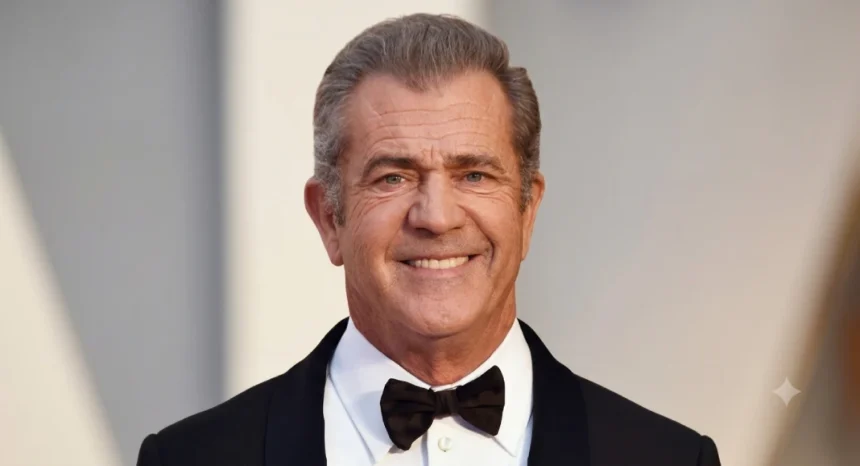
Mel Gibson is known to most audiences as the star of Mad Max, Lethal Weapon, and Braveheart. What is less widely understood is how he turned a standard Hollywood acting career into one of the largest personal fortunes in the industry — not primarily through salaries, but through a single high-risk bet on a film that every major studio refused to make.
- How Did Mel Gibson Build a $425 Million Net Worth?
- What Was Mel Gibson’s Biggest Financial Win?
- What Are Mel Gibson’s Other Sources of Income?
- How Much Does Mel Gibson Earn Per Year?
- What Awards Has Mel Gibson Won?
- How Have Controversies Affected Mel Gibson’s Net Worth?
- Frequently Asked Questions About Mel Gibson’s Net Worth
- Key Takeaways
As of 2026, Mel Gibson’s net worth is estimated at $425 million. That figure places him well above most of his A-list peers, and the story behind it is more instructive than a typical celebrity wealth headline.
This article walks through exactly how Gibson built his fortune, where his income comes from today, and what the underlying strategy reveals about wealth building more broadly.
How Did Mel Gibson Build a $425 Million Net Worth?
Gibson’s wealth was not created by acting paychecks alone. While he earned large salaries from blockbuster films over the decades, the larger driver of his fortune is ownership — holding a financial stake in the projects he chose to make, rather than simply being paid to appear in them.
His money has come from four main sources:
- Acting salaries earned across franchise films and box-office hits
- Directing and producing income tied to profit participation
- One major independent investment that outperformed his entire acting career
- A real estate portfolio spread across several countries
Each of these is worth examining on its own.
Acting Pay: From $400 a Film to $25 Million a Film
Gibson’s salary history shows a steep upward climb. His first film role, Summer City in 1977, paid him just $400. Two years later, his breakout role in the original Mad Max brought in $15,000. By the mid-1990s and early 2000s, he was commanding $25 million per film for projects such as The Patriot, Signs, and We Were Soldiers.
A rough timeline of his reported acting pay:
| Film | Year | Salary |
|---|---|---|
| Summer City | 1977 | $400 |
| Mad Max | 1979 | $15,000 |
| Gallipoli | 1981 | $32,147 |
| Mad Max Beyond Thunderdome | 1985 | $1,200,000 |
| Lethal Weapon 3 | 1992 | $10,000,000 |
| Maverick | 1994 | $15,000,000 |
| Ransom | 1996 | $20,000,000 |
| Lethal Weapon 4 | 1998 | $25,000,000 |
| The Patriot | 2000 | $25,000,000 |
| Signs | 2002 | $25,000,000 |
| We Were Soldiers | 2002 | $25,000,000 |
These fees on their own would have made Gibson a wealthy man. But acting income accounts for only a portion of his overall net worth.
Directing and Producing: The Bigger Payoff
In 1995, Gibson founded Icon Productions, a move that gave him control over projects not just as a performer but as an owner. That shift changed the economics of his career considerably.
Directors and producers with an ownership stake do not just collect a flat fee — they earn a share of ongoing profits. Every home-video sale, every streaming licensing deal, and every additional dollar at the box office adds to their total return. Gibson structured many of his later deals this way.
His directing work includes Braveheart (1995), The Passion of the Christ (2004), Apocalypto (2006), and Hacksaw Ridge (2016), all of which produced meaningful revenue well beyond their initial theatrical runs.
What Was Mel Gibson’s Biggest Financial Win?
The single most consequential financial decision of Gibson’s career was his choice to personally finance “The Passion of the Christ.”
In the early 2000s, Gibson spent years trying to convince Hollywood studios to back a film centered on the final hours of Jesus Christ’s life. Every major studio declined. The subject matter was seen as too controversial and too commercially uncertain.
Rather than abandon the project, Gibson chose to fund it himself.
A $45 Million Personal Bet
Gibson put up roughly $30 million in production costs and an additional $15 million for marketing, bringing his total personal investment to about $45 million — equivalent to roughly $80 million in today’s dollars after adjusting for inflation.
In exchange for taking on that risk, he retained a 50% equity stake in the film’s profits.
The Return
The Passion of the Christ went on to gross $612 million worldwide. Gibson’s personal earnings from the film are estimated as follows:
- Box office profit share: approximately $300 million
- Merchandise revenue: $50–$100 million
- DVD sales: approximately $75 million
- Total personal profit: an estimated $400–$475 million
That one investment is believed to have generated more money for Gibson than his entire acting career combined, and it is widely regarded as one of the most successful independent film investments in Hollywood history.
The Underlying Lesson
Beyond the celebrity headline, Gibson’s decision illustrates a basic financial principle: ownership carries more upside than salary. A paycheck is fixed, no matter how large. A stake in a successful venture has a ceiling that is, at least in theory, much higher — and in Gibson’s case, dramatically so.
What Are Mel Gibson’s Other Sources of Income?
Beyond film earnings, Gibson has built a varied portfolio that gives him financial stability outside the unpredictable entertainment business.
Real Estate
Gibson’s real estate holdings span the United States, Australia, and Costa Rica. Notable transactions include:
- Old Mill Farm, Connecticut: bought in 1994 for $9 million and later sold for $40 million, a return of more than four times his purchase price
- Australian property: one holding sold in 2004 for $6 million
- A Malibu mansion and a ranch in Costa Rica, both still part of his current holdings
These properties serve two purposes: they appreciate over time, and they offer holdings that are less tied to the ups and downs of the film industry.
Business Ventures
Gibson’s business interests outside acting include:
- Icon Productions, his film production company founded in 1995
- Cripps Coast Vineyards, a winery he owns in California
Notable Assets
His personal asset collection also includes a Tesla Model S and a Ferrari 250 GTO, one of the most valuable cars in the world.
How Much Does Mel Gibson Earn Per Year?
Gibson’s yearly income depends heavily on which projects are active in a given year and how much he collects in residual payments from older films. Industry estimates suggest the following pattern:
- Peak earning year: 2016, with total compensation estimated between $60 million and $70 million
- 2017: approximately $30 million, largely from Daddy’s Home 2 and related projects
- Typical annual income: roughly $15 million in an average year
In years when Gibson releases or produces a new film, his income spikes noticeably. In quieter years, he still collects residuals and royalties from franchises such as Mad Max, Lethal Weapon, and The Passion of the Christ, which continue to generate revenue through streaming licensing, syndication, and physical media sales.
What Awards Has Mel Gibson Won?
Awards do not directly add to net worth, but they strengthen an actor’s negotiating position and market value. Gibson’s honors include:
- Academy Award for Best Director — Braveheart (1995)
- Academy Award for Best Picture — Braveheart (1995)
- Golden Globe for Best Director — Braveheart (1995) and The Passion of the Christ (2004)
- BAFTA Award
- Emmy Award
- Australian Film Institute Best Actor Award — Gallipoli (1981)
- Academy Award nomination for Best Director — Hacksaw Ridge (2016)
These accolades gave Gibson a stronger footing when negotiating backend deals and profit-sharing arrangements, a factor that added up considerably over time.
How Have Controversies Affected Mel Gibson’s Net Worth?
No account of Gibson’s finances is complete without addressing the controversies that shaped parts of his career.
In the mid-2000s and early 2010s, Gibson faced a series of public controversies and legal issues, including allegations of antisemitic remarks, domestic violence incidents, and DUI arrests. These events led to a noticeable decline in his standing within Hollywood and limited his access to major studio projects for several years.
Gibson later staged a comeback. His 2016 film Hacksaw Ridge, which he directed, won two Academy Awards and earned him a Best Director nomination, a turning point that restored much of his professional standing. He has continued to take on acting roles in both studio and independent productions in the years since.
Financially, the controversies reduced his earnings during the affected period but did not significantly erode his overall wealth. Profits from The Passion of the Christ, his real estate holdings, and ongoing franchise residuals provided enough of a cushion to sustain his net worth through the downturn.
Frequently Asked Questions About Mel Gibson’s Net Worth
What is Mel Gibson’s net worth in 2026?
Mel Gibson’s net worth is estimated at approximately $425 million as of 2026.
What is Mel Gibson’s biggest source of wealth?
The majority of his fortune traces back to his 50% profit stake in The Passion of the Christ, which is estimated to have generated $400–$475 million in personal earnings.
How old is Mel Gibson?
Born on January 3, 1956, Gibson is currently 70 years old.
What is Mel Gibson’s production company?
He founded Icon Productions in 1995, which has produced several of his major films.
What are Mel Gibson’s highest-grossing films?
His top earners include The Passion of the Christ ($612 million worldwide), the Lethal Weapon franchise ($1.2 billion combined), and Braveheart ($210 million worldwide).
Is Mel Gibson still acting?
Yes. He has continued taking roles in recent years, including appearances in Monster Summer and Boneyard.
Key Takeaways
- Ownership outperformed salary. Gibson’s biggest financial gains came from owning a stake in his projects, not from acting fees alone.
- Self-funding created outsized upside. His $45 million personal investment in The Passion of the Christ returned an estimated $400–$475 million, a result far outside what most personal investments achieve.
- A varied portfolio protected his wealth. Real estate, a production company, and franchise residuals kept his income relatively stable even during periods of career disruption.
- Longevity kept the money flowing. Franchises like Mad Max and Lethal Weapon continue producing residual income decades after their original release.
For anyone building a career in entertainment, or simply managing a personal investment portfolio, Gibson’s financial story offers a straightforward takeaway: ownership, well-placed risk, and patience tend to outperform a steady paycheck over the long run.