


You have probably tried at least one diet that started with good intentions and ended with you eating an entire sleeve of biscuits on a Tuesday night. You are not alone, and it is not a willpower problem.
- Why Most Diet Plans Fail Long-Term
- What Flexible Eating Habits Actually Look Like
- How to Eat Healthy Without Dieting: Practical Habits to Start Now
- Small Swaps That Add Up Over Time
- How to Handle Social Eating and Eating Out
- Sustainable Nutrition Starts With How You Think About Food
- How to Stay Consistent Without Relying on Willpower
- When to Consider Speaking With a Professional
- Conclusion
Learning how to eat healthy without dieting is not about finding the right meal plan. It is about building small, realistic habits that hold up when life gets busy, stressful, or just ordinary. No point systems. No off-limits foods. No starting over every Monday.
This article walks you through what flexible eating habits look like in practice, why they work better than structured diets, and how to make changes that stick without making your life revolve around food.
Why Most Diet Plans Fail Long-Term
Most people who try a structured diet do see results early on. The problem is not the first two weeks. The problem is month three, when the novelty has worn off, the rules feel exhausting, and one unplanned meal feels like it has ruined everything.
Research consistently shows that most people who lose weight through calorie-restricted dieting regain it within one to five years. That is not a reflection of effort or commitment. It is a reflection of how rigid restriction affects the brain and body over time.
When eating becomes rule-based, food decisions carry more emotional weight than they need to. Every meal becomes a pass-or-fail moment. That kind of pressure is unsustainable for almost everyone.
The Restriction-Rebound Cycle
Here is what tends to happen when someone cuts a food out completely. For the first few days, avoidance feels manageable. Then the cravings build. Eventually, the food gets eaten anyway, usually in a larger amount than normal, followed by guilt, followed by the thought that the whole effort is pointless.
This cycle is well-documented in behavioral nutrition research. Labeling foods as forbidden increases their psychological pull. The brain treats restricted items as more desirable, not less. The stricter the diet, the more powerful the cravings become.
It is not a character flaw. It is biology working against an artificial rule.
How Diet Culture Sets Unrealistic Expectations
Popular diet programs are often marketed around dramatic, fast results. “Lose 10 pounds in 30 days” is a compelling promise. What those campaigns rarely show is what happens after those 30 days.
Short-term dieting produces short-term results. Gradual, habit-based change produces results that last. People who make small, consistent improvements to their eating patterns, without following a formal plan, tend to maintain those changes far longer than people who follow strict protocols.
The goal is not a finish line. It is a way of eating you can live with indefinitely.
What Flexible Eating Habits Actually Look Like
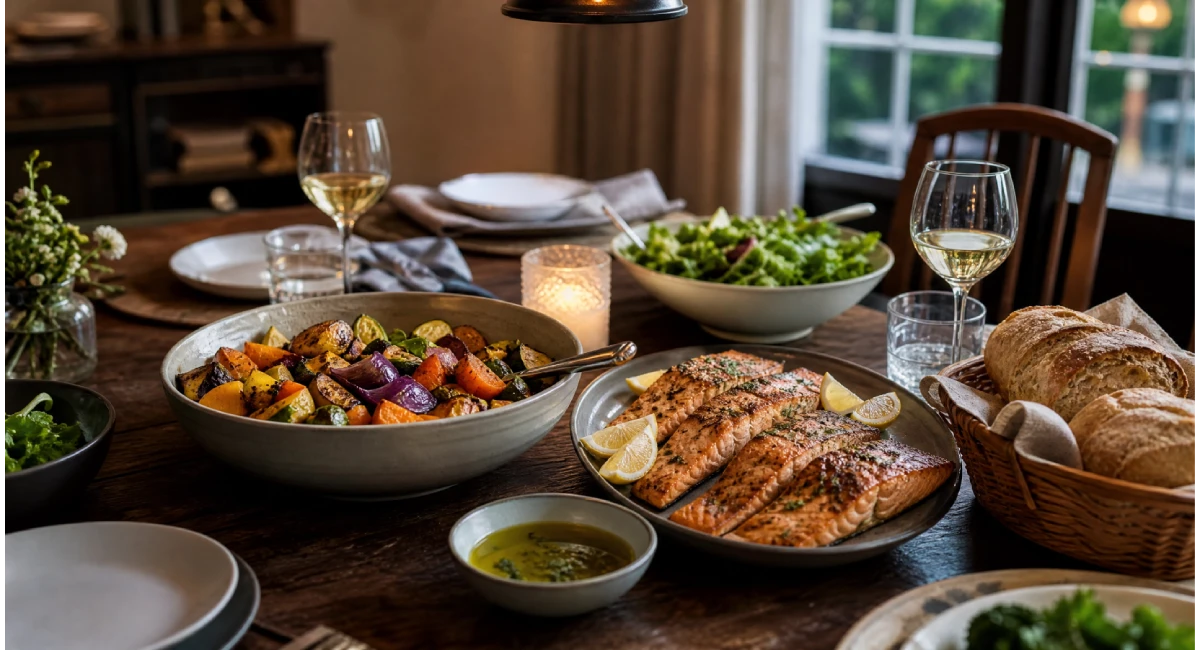
Flexible eating does not mean eating whatever you want all the time with no awareness. It means making mostly nourishing choices, without a rigid system controlling every decision.
There is no list of banned foods. There is no app tracking every gram. There is no meal plan stuck to the refrigerator door. Instead, it comes down to a general awareness of what your body needs most of the time and a relaxed approach to the rest.
This is what non-restrictive eating looks like for most people: a vegetable-heavy dinner most nights, a balanced lunch most days, and the freedom to enjoy a birthday cake without guilt.
Eating Well 80% of the Time
Think about your meals across a full week. If most of them include vegetables, a protein source, and something filling, your overall nutrition is in a solid place. That leaves room for the Friday takeaway, the birthday dinner, and the afternoon snack that is more about enjoyment than anything else.
This is not a formal ratio to track. It is a way of thinking about food that removes the pressure of perfection from every single meal. One less-nutritious choice does not undo a week of good habits. Consistency across time matters far more than any individual decision.
Letting Go of Good Food vs. Bad Food Labels
When people label foods as good or bad, eating the bad ones comes with a side of guilt. That guilt is not neutral. It changes your relationship with food in ways that make healthy eating harder, not easier.
Pizza on a Friday night is different from pizza every night. The food itself is not the problem. Frequency and overall pattern are what matter. When you stop dividing foods into moral categories, you remove unnecessary stress from eating and calm decisions become easier.
How to Eat Healthy Without Dieting: Practical Habits to Start Now
This is where the change happens. Not through willpower or motivation, but through a few small habits that gradually shift how and what you eat. None of these require a nutrition qualification, a meal plan, or an overhaul of your current life.
Build Your Plate Around Whole Foods First
Before you think about what to add, think about what takes up most of the space on your plate. When vegetables, a protein source, and a whole grain make up the majority of a meal, the overall quality of that meal improves without much effort.
For example, a dinner of grilled chicken, roasted sweet potato, and a handful of greens is not a diet meal. It is just a regular meal that happens to be filling and nourishing. You did not restrict anything. You just built the plate in a sensible order.
This becomes a default habit over time rather than a conscious effort.
Eat Slowly and Pay Attention to Fullness
The body does send fullness signals. The issue is that eating quickly means those signals arrive after you have already eaten past them. It takes roughly 15 to 20 minutes for the stomach to communicate fullness to the brain.
Slowing down does not require mindfulness training or a strict routine. It means putting the fork down between bites occasionally, eating without staring at a screen, and checking in halfway through a meal to ask whether you are still hungry.
Over time, this shifts portion sizes naturally, without measuring or tracking a single thing.
Stop Skipping Meals to “Make Up” for Earlier Eating
Skipping breakfast or lunch the day after a large meal feels logical. You ate more than usual, so eating less the next day seems like it balances things out. In practice, it usually backfires.
Arriving at dinner extremely hungry makes it much harder to make calm, considered food choices. The body pushes back against under-eating by increasing hunger signals later in the day. Regular, reasonably balanced meals throughout the day smooth that out and make evening overeating less likely.
Small Swaps That Add Up Over Time
No single meal changes your health. But the meals you eat every day over months and years add up. Small, consistent swaps can significantly shift the overall quality of your diet without any dramatic changes.
The goal here is not to eat perfectly. It is to eat slightly better than yesterday, most of the time.
Smarter Choices at Breakfast Without Giving Up What You Like
If you normally eat a carb-heavy breakfast, adding a protein source makes it more filling and reduces the mid-morning energy drop that often leads to snacking.
A few ideas that work alongside what you already enjoy:
- Add eggs or Greek yogurt alongside toast instead of replacing it
- Swap a sweetened drink for water or an unsweetened option, at least some mornings
- Add a piece of fruit to whatever you are already eating
None of these are prescriptions. They are options. Try one that sounds manageable and see how it feels.
Making Lunch and Dinner More Filling Without More Calories
Fiber and protein are the two nutrients that keep you full longest. Adding them to meals you already make is usually easier than building new meals from scratch.
Some practical examples:
- Stir a can of lentils or chickpeas into a soup or stew
- Choose whole-grain bread instead of white when it is available and you do not mind the taste
- Add a simple side salad to a meal that would normally have none
These additions do not require extra cooking skills or significant extra time. They just make existing meals work harder for your body.
How to Handle Social Eating and Eating Out
One of the most common reasons people abandon flexible eating is that restaurants and social events feel impossible to navigate. The worry is that one meal out will undo progress or signal a loss of control.
That worry is worth addressing directly: it will not. One meal at a restaurant, one plate at a party, one birthday dinner that goes longer than expected — none of these have any meaningful impact on long-term health. What matters is the pattern across weeks and months.
Choosing Well at Restaurants Without Overanalyzing the Menu
A few mental anchors make restaurant ordering less stressful without turning it into a nutrition exercise:
- Look for something that includes a protein and some vegetables, not because everything else is off-limits, but because that combination tends to leave you feeling better afterward
- Do not arrive at the restaurant very hungry if you can help it. A small snack beforehand takes the urgency out of ordering.
- Skip the bread basket if it is not something you particularly enjoy. Keep it if you do. That is it.
The goal is to feel good after the meal, not to score points.
Enjoying Social Occasions Without the Guilt Spiral Afterward
Eating more than usual at a party, a wedding, or a family dinner is a completely normal human experience. It does not require correction the next day, and it does not mean your habits have collapsed.
The most useful thing you can do after a heavier-than-usual meal is eat normally the next day. Not lighter. Not stricter. Just normally. The body handles occasional variation very well. The guilt and the compensatory restriction afterward are far more disruptive than the meal itself ever was.
Sustainable Nutrition Starts With How You Think About Food

The habits covered above are practical and worth building. But underneath all of them is a more fundamental shift: changing how you think about food so it stops being the enemy and becomes a neutral part of daily life.
That shift happens gradually when you stop treating every meal as a test and start treating food as something that can nourish you and bring enjoyment — without those goals conflicting.
Shifting From “I Can’t Have That” to “I Choose Not to Right Now”
These two phrases sound similar, but they feel completely different. “I can’t have that” comes from an external rule. It puts the food in charge and you in the role of someone struggling to resist. “I choose not to right now” comes from autonomy. You are making a decision based on what works for you at this moment.
Try this the next time you find yourself saying no to something. Replace “I can’t” with “I’m choosing not to.” Notice whether that changes how the moment feels. For most people, it removes a layer of pressure and makes the decision feel more stable.
Progress Over Perfection: What That Phrase Actually Means in Practice
Progress in eating habits rarely looks like a straight line. It looks like cooking at home four nights this week instead of two. It looks like choosing water instead of a soda at lunch without much thought. It looks like getting through a social dinner without a spiral of guilt on the drive home.
These are real wins. They are the kind of progress that builds into lasting change. If you are only measuring success by the number on a scale or by whether you followed a plan perfectly, you are missing most of the progress you are making.
Track what you gained, not just what you avoided.
How to Stay Consistent Without Relying on Willpower
Willpower is real, but it is also limited and easily depleted. Relying on it as the main driver of healthy eating means you are one stressful day away from the whole thing falling apart.
Consistency comes from building an environment and a routine that make the better choice the easier one, not from pushing through resistance every time.
Keeping Useful Foods Visible and Accessible
The foods you see most often are the ones you eat most often. That is not a personal failing. It is how the brain works.
Placing a bowl of fruit on the counter, keeping pre-cut vegetables at eye level in the fridge, and having a few filling snacks within easy reach all reduce the number of decisions you need to make when you are tired or rushed. You reach for what is there. Make sure what is there is something nourishing.
This is environmental design, and it is far more reliable than motivation.
Planning Without Turning It Into a Full Meal Prep Operation
You do not need to spend Sunday afternoon cooking six containers of food to eat well during the week. What helps is loose planning: a general idea of what dinner might look like on a few nights, and a few staple items always on hand.
A short list of useful staples worth keeping stocked:
- Eggs (fast, versatile, filling)
- Canned legumes (lentils, chickpeas, black beans)
- Frozen vegetables (no prep needed, minimal waste)
- Whole-grain bread or rice (an easy base for almost anything)
With these four things available, you can put together a reasonable meal quickly, without relying on takeaway or skipping dinner entirely.
When to Consider Speaking With a Professional
Everything in this article is built around general, realistic approaches to improving your relationship with food. For many people, that is enough to make meaningful, lasting change.
But some situations call for more than a self-guided approach. If you have a complicated history with food, including patterns of restriction, binging, or strong emotional distress around eating, speaking with a registered dietitian can be useful. A registered dietitian is a credentialed health professional, distinct from a general “nutrition coach,” and is trained to support people with complex relationships with food in a clinical, non-judgmental way.
The same applies if you have a specific health condition — such as diabetes, a digestive disorder, or a cardiovascular concern — where dietary guidance needs to be tailored to your individual situation.
Seeking professional support is not a sign that the flexible approach has failed. It is a recognition that some challenges are better navigated with an expert alongside you.
Conclusion
Eating well is simpler than the diet industry would have you believe. It does not require a meal plan, a tracking app, a weekly weigh-in, or a list of foods you are never allowed to touch again.
Knowing how to eat healthy without dieting comes down to a few things: building mostly nourishing habits most of the time, letting go of the pressure to be perfect, and setting up your daily environment so that better choices are the easiest ones to make.
Pick one habit from this article. Just one. Try it for two weeks and see what changes. That is a more useful starting point than any diet plan you have ever been handed.
If this was helpful, share it with someone who has been stuck in the diet cycle for too long. They might need to hear that there is another way.